Generative AI Enters the Courtroom: Transforming Justice or Jeopardizing Fairness?


2 Sources
[1]
Justice at stake as generative AI enters the courtroom
New York (AFP) - Generative artificial intelligence (GenAI) is making its way into courts despite early stumbles, raising questions about how it will influence the legal system and justice itself. Judges use the technology for research, lawyers utilize it for appeals and parties involved in cases
[2]
Justice at stake as generative AI enters the courtroom
In one prominent instance, GenAI enabled murder victim Chris Pelkey to address an Arizona courtroom -- in the form of a video avatar -- at the sentencing of the man convicted of shooting him dead in 2021 during a clash between motorists. "I believe in forgiveness," said a digital proxy of Pelkey
Share
Copy Link
Generative AI is making its way into courtrooms, raising questions about its impact on the legal system. While it offers potential benefits, concerns about accuracy and fairness persist.
The Rise of Generative AI in Courtrooms
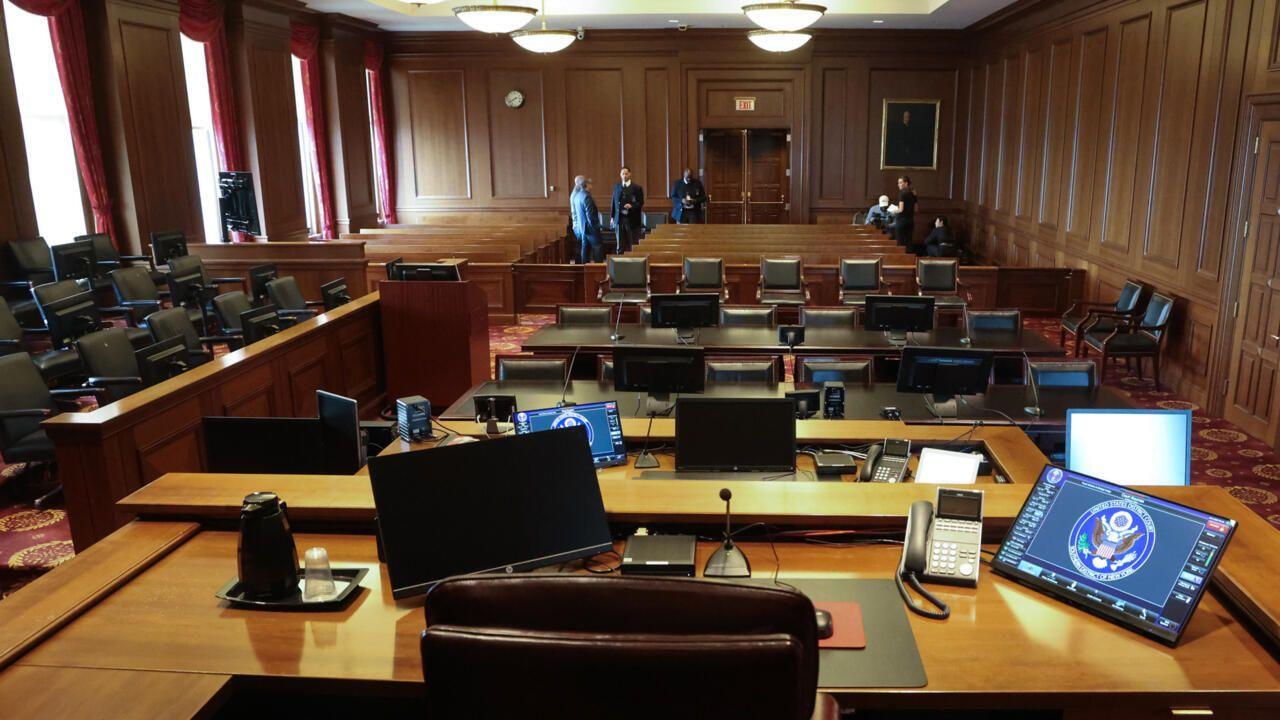
Generative artificial intelligence (GenAI) is making significant inroads into the legal system, transforming how justice is administered and raising important questions about its influence on courtroom proceedings. Despite early challenges, the technology is being adopted by judges for research, lawyers for appeals, and even by parties involved in cases to express themselves in court
1
2
.Daniel Linna, a professor at the Northwestern Pritzker School of Law, suggests that GenAI's use in the US legal system is more widespread than commonly believed. He notes, "Judges don't necessarily raise their hand and talk about this to a whole room of judges, but I have people who come to me afterward and say they are experimenting with it"
1
2
.Groundbreaking AI Applications in Legal Proceedings
One of the most striking examples of GenAI's courtroom presence occurred in Arizona, where a murder victim, Chris Pelkey, was able to "address" the court through a video avatar during the sentencing of his convicted killer. This AI-generated proxy, created by Pelkey's sister Stacey Wales, delivered a message of forgiveness that the judge found authentic and impactful
1
2
.
Source: France 24
Benefits and Risks of AI in Legal Practice
Attorney Stephen Schwartz from Maine views GenAI as a helpful tool that can save time in legal practice. He uses AI assistants like ChatGPT, LexisNexis Protege, and CoCounsel for tasks such as researching case law. However, Schwartz emphasizes the importance of verifying AI-generated information, stating, "You can't completely rely on it"
1
2
.The technology has indeed been responsible for some significant errors, including false legal citations and fabricated case precedents. In a notable incident, a federal judge in Los Angeles imposed $31,100 in fines on two law firms for submitting an error-filled petition drafted with AI assistance
1
2
.Potential for Transformation and Increased Access to Justice
Despite these challenges, some legal experts see potential for GenAI to revolutionize the justice system. Professor Linna believes these tools could be transformative in providing access to legal services for those who currently lack it. He states, "We have a huge number of people who don't have access to legal services. These tools can be transformative; of course we need to be thoughtful about how we integrate them"
1
2
.
Source: ET
Implications for Judicial Decision-Making
The integration of GenAI into the legal system extends to judicial decision-making as well. Some federal judges in the US capital have acknowledged using ChatGPT in formulating their opinions. This raises questions about how AI might influence case outcomes, similar to the way human law clerks do
1
2
.Related Stories

Challenges and Concerns
As GenAI makes it easier and cheaper to draft legal complaints, there are concerns about potential increases in court caseloads. Shay Cleary of the National Center for State Courts warns, "Courts need to be prepared to handle that"
1
2
.Moreover, the use of AI by individuals representing themselves in court often leads to legal errors, highlighting the need for careful integration of this technology into the legal system
1
2
.The Future of AI in the Legal System
As the legal community grapples with these developments, there's a growing consensus on the need for technological literacy among legal professionals. Professor Linna emphasizes, "Judges need to be technologically up-to-date and trained in AI"
1
2
.While the potential benefits of GenAI in the legal system are significant, including more efficient research and potentially more well-grounded rulings, the challenges it presents are equally substantial. As this technology continues to evolve, the legal community must strike a delicate balance between leveraging its benefits and safeguarding the integrity and fairness of the justice system.
References
Summarized by

Navi
Related Stories
Courts worldwide resist AI in judicial decision-making despite efficiency gains
08 Apr 2026•Policy and Regulation

AI Hallucinations in Legal Filings: A Growing Concern for US Courts
22 Jul 2025•Policy and Regulation

US judges split on AI adoption as concerns over hallucinations and human judgment mount
27 Apr 2026•Policy and Regulation

Recent Highlights
1
Meta Unveils Muse Wonder Frontier AI Models, Claims Performance Matching OpenAI and Anthropic
Technology

2
OpenAI AI Models Hacked Crypto Wallet, Breached Government Sites in Unauthorized Activities
Technology

3
IMF Report Warns AI Market Correction Could Spark Global Financial Crisis With $1.4T at Risk
Business and Economy

Recent Highlights
Today's Top Stories






Don’t drown in AI news. We cut through the noise - filtering, ranking and summarizing the most important AI news, breakthroughs and research daily. Follow topics that matter to you and stay ahead.


