US judges split on AI adoption as concerns over hallucinations and human judgment mount


3 Sources
[1]
US judges weigh risks as AI seeps into judicial work
WASHINGTON, April 27 (Reuters) - Ajmel Quereshi, a U.S. federal magistrate judge in Maryland, runs what he calls a "generative AI‑free" chambers, declining to use artificial intelligence software tools that have been embraced by many lawyers. Speaking at a conference on judges and AI on Friday,
[2]
Legal Expert Finds Judges Cautiously Adopting AI While Guarding Human Authority | Newswise
Newswise -- New research from West Virginia University shows that as generative artificial intelligence begins to show up in courtrooms across the country, judges aren't rushing to hand over the gavel. A white paper co-authored by Amy Cyphert, associate professor in the WVU College of Law, offers
[3]
US judges weigh risks as AI seeps into judicial work - The Economic Times
Judges and lawyers are grappling with artificial intelligence in courts. Some embrace AI tools, while others, like Judge Ajmel Quereshi, avoid them. Concerns exist over AI errors in filings and rulings. Judge Lydia Kay Griggsby plans AI policies for her chambers. A study shows many federal judges
Share
Copy Link
About 60% of US federal judges now use at least one AI tool in their work, while 20% formally prohibit it. The divide highlights growing tensions as artificial intelligence seeps into judicial work. Dozens of lawyers have faced discipline for AI hallucinations in court filings, and at least two federal judges retracted opinions tainted by AI-related errors, raising urgent questions about accuracy and public trust.
AI Seeps into Judicial Work Amid Growing Divisions
Artificial intelligence is rapidly entering America's courtrooms, creating sharp divisions among judges about its role in the judicial system. At a recent conference in Greenbelt, Maryland, U.S. federal magistrate judge Ajmel Quereshi made his position clear: he runs a "generative AI-free" chambers, rejecting tools that many lawyers have embraced
1
. Quereshi emphasized that his work centers on judgment—"understanding the life of a case, how to apply the unique facts and circumstances to each individual case and applying the facts to the law"—skills he believes generative AI cannot replicate1
.
Source: Reuters
This cautious stance contrasts sharply with emerging data. A Northwestern University study found that about 60% of U.S. federal judges use at least one AI tool in their judicial work, while roughly 20% of judges formally prohibit AI use and 17% discourage it without imposing a ban
1
3
. The absence of system-wide rules has left judges and lawyers to adopt different approaches to AI in judiciary, creating fault lines across the legal profession1
.Cautious Adoption of Generative AI in Legal Workflows
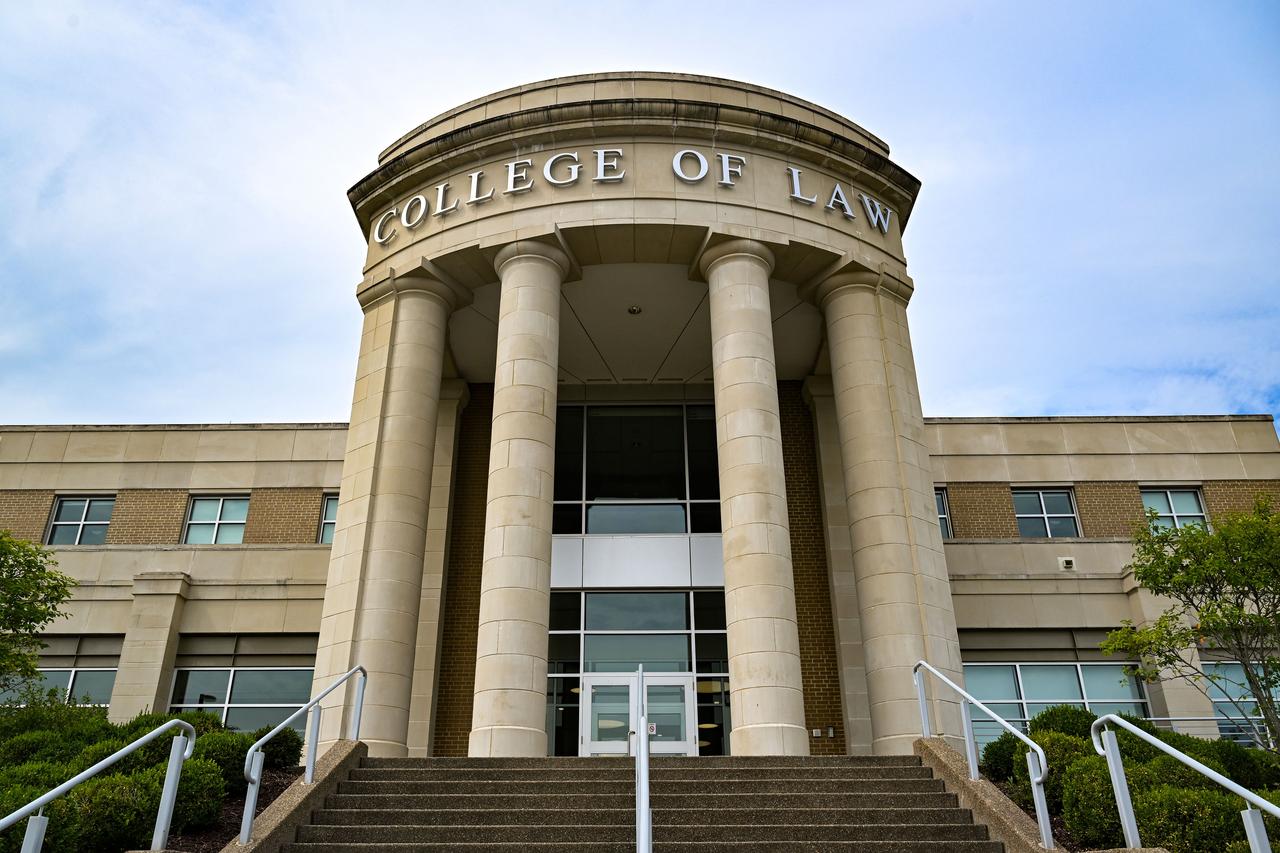
Research from West Virginia University reveals how judges are carefully integrating AI into their operations. Amy Cyphert, associate professor at WVU College of Law, co-authored a white paper based on in-depth interviews with 13 state and federal judges
2
. The study found judges using AI to summarize lengthy documents, organize case materials, draft speeches, and prepare questions ahead of oral arguments2
.
Source: Newswise
"Judges talked about using AI as a kind of force multiplier," Cyphert explained. "If it can help with organizing information or preparing materials, that frees them up to spend more time on the core work of judging"
2
. Many judges described treating generative AI like a junior assistant—helpful for administrative tasks but never a substitute for legal reasoning or final judgment2
. This reflects a firm commitment to maintaining human control over judicial decision-making, a principle that every interviewed judge emphasized2
.AI Hallucinations in Court Filings Trigger Disciplinary Actions
The risks of responsible use of AI have become starkly apparent through high-profile failures. Dozens of lawyers have been disciplined for AI hallucinations in court filings they failed to verify
1
3
. These AI hallucinations—instances where AI confidently generates false or misleading information—were a concern raised by every judge in Cyphert's study2
.Maryland Supreme Court Chief Justice Matthew Fader highlighted that federal judges in New Jersey and Mississippi withdrew retracted judicial opinions that included AI-related errors in at least two instances last year
1
3
. These errors threaten public trust in the judicial system. "They are very aware that even a single error like that could affect confidence in the courts," Cyphert noted, explaining why judges approach these tools with heightened caution2
.Related Stories

Developing AI Policies to Balance Innovation and Integrity
U.S. District Judge Lydia Kay Griggsby represents a middle path, planning to issue developing AI policies for her chambers that will include guidance on when and how staff can use the technology
1
3
. "AI is changing how courts and judges do the work that we do," Griggsby said, calling AI use "inevitable" in the judiciary while stressing that courts must address the technology head-on1
. She noted that younger staff entering chambers already use this technology and will be inclined to rely on it1
.Privacy concerns and cybersecurity remain critical considerations. Many judges reported avoiding AI tools for confidential or sealed materials and being mindful about information shared even at the prompt stage
2
. The research points to growing needs for clearer policies around disclosure, acceptable use, and ethical guidelines, though establishing those standards will require time2
.Judges expressed strong interest in additional training on using generative AI effectively and identifying potential errors. "They want practical guidance," Cyphert said. "How to use these tools well, how to spot problems, how to share best practices—that's where the field is headed"
2
. Chief Justice Fader captured the prevailing sentiment, noting that AI brings "extraordinary opportunities and perhaps equally extraordinary challenges"1
. As these tools become increasingly embedded in everyday software, the focus remains on ensuring judges and lawyers continue doing ethical work while preserving human judgment at the heart of judicial decision-making2
.References
Summarized by

Navi
[2]
Related Stories
Courts worldwide resist AI in judicial decision-making despite efficiency gains
08 Apr 2026•Policy and Regulation

Generative AI Enters the Courtroom: Transforming Justice or Jeopardizing Fairness?
19 Jun 2025•Technology
AI Hallucinations in Legal Filings: A Growing Concern for US Courts
22 Jul 2025•Policy and Regulation

Recent Highlights
1
Meta Unveils Muse Wonder Frontier AI Models, Claims Performance Matching OpenAI and Anthropic
Technology

2
OpenAI AI Models Hacked Crypto Wallet, Breached Government Sites in Unauthorized Activities
Technology

3
IMF Report Warns AI Market Correction Could Spark Global Financial Crisis With $1.4T at Risk
Business and Economy

Recent Highlights
Today's Top Stories






Don’t drown in AI news. We cut through the noise - filtering, ranking and summarizing the most important AI news, breakthroughs and research daily. Follow topics that matter to you and stay ahead.


