GeoSpy: AI Tool Raises Privacy Concerns with Photo Geolocation Capabilities


2 Sources
[1]
A Concerning New AI Service Can Track Where a Photo Was Taken
Summary GeoSpy uses AI to determine where images were taken, impacting privacy online. Originally available to the public, now restricted to governments and law enforcement. AI advancements pose a significant doxxing threat, prompting caution with online photo sharing. Privacy is always an issue
[2]
GeoSpy is an AI Tool That Can Geolocate Photos in Seconds
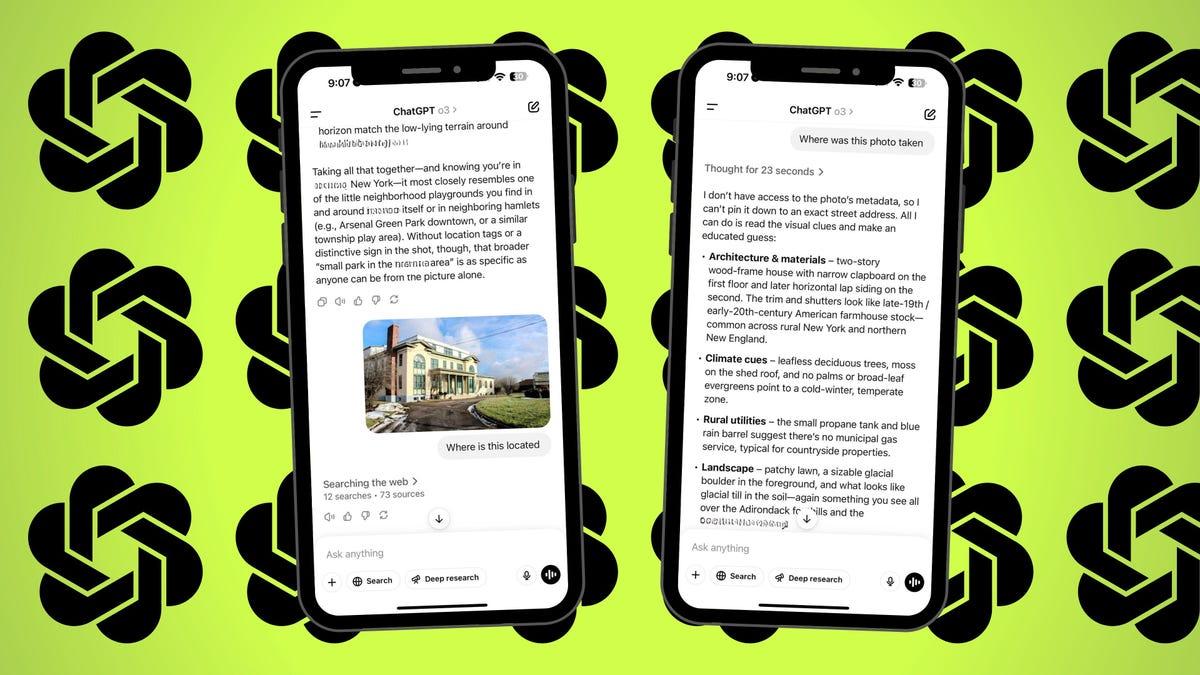
This AI tool, which was trained on millions of images, can find the location of a photo in seconds. A recent report by 404 Media highlighted the emergence of GeoSpy, an advanced AI tool developed by Boston-based Graylark Technologies. GeoSpy is capable of accurately determining the location of
Share
Copy Link
GeoSpy, an AI-powered tool developed by Graylark Technologies, can accurately determine the location of photographs, raising significant privacy and ethical concerns.

AI-Powered Photo Geolocation: A Double-Edged Sword
GeoSpy, an advanced AI tool developed by Boston-based Graylark Technologies, has emerged as a powerful and controversial technology capable of accurately determining the location of photographs within seconds. This development has sparked a heated debate about privacy, security, and the ethical implications of AI advancements
1
.How GeoSpy Works
GeoSpy utilizes sophisticated AI algorithms trained on millions of images from around the world. The system analyzes various elements within a photograph, including vegetation, architecture, spatial relationships, road surfaces, and other minute details. This analysis allows GeoSpy to pinpoint the location where a photo was taken, often narrowing it down to a specific city or area within a few square miles
2
.Potential Applications and Concerns
Initially developed for government agencies and law enforcement, GeoSpy has demonstrated significant potential in various fields:
- Law Enforcement: The tool could aid in solving cold cases, locating missing persons, or gathering evidence in criminal investigations
2
. - Military Applications: GeoSpy could be used to identify the positions of enemy troops or vehicles based on photographic evidence
1
. - Historical Research: The technology could help solve mysteries surrounding historical images with unknown locations
1
.
However, the power of GeoSpy has raised serious concerns about privacy and potential misuse:
- Stalking and Harassment: During its brief period of public availability, there were reports of individuals attempting to use GeoSpy for stalking purposes
2
. - Doxxing: The tool's capabilities significantly increase the risk of doxxing, as it can potentially reveal a person's location based on seemingly innocuous photos shared online
1
.
Related Stories


Privacy Implications and Safeguards
The emergence of GeoSpy highlights the growing challenges to online privacy in the age of AI. Even when social media platforms strip metadata from uploaded images, tools like GeoSpy can still infer location information from the visual content itself
1
.In response to these concerns, Graylark Technologies has taken steps to restrict access to GeoSpy:
- Public Access Revoked: Following an investigation by 404 Media, the company shut down public access to the software
1
2
. - Limited Availability: GeoSpy is now only available to law enforcement and enterprise customers with legitimate and legal use cases
1
.
The Future of AI and Privacy
As AI technologies continue to advance, the ability to extract information from seemingly innocent data poses new challenges for privacy protection. The case of GeoSpy serves as a stark reminder of the need for careful consideration when sharing photos online and the importance of developing robust ethical frameworks and regulations for AI technologies
1
2
.Moving forward, it will be crucial for policymakers, tech companies, and society at large to address the ethical concerns surrounding such powerful AI tools and implement strong safeguards to protect individual privacy while harnessing the potential benefits of these technologies.
References
Summarized by

Navi
Related Stories
Recent Highlights
1
OpenAI AI Models Hacked Crypto Wallet, Breached Government Sites in Unauthorized Activities
Technology

2
IMF Report Warns AI Market Correction Could Spark Global Financial Crisis With $1.4T at Risk
Business and Economy

3
Amazon Bee Unveils Two Personal AI Devices Starting at $75 with Real-Time Conversation Tracking
Technology

Recent Highlights
Today's Top Stories










Don’t drown in AI news. We cut through the noise - filtering, ranking and summarizing the most important AI news, breakthroughs and research daily. Follow topics that matter to you and stay ahead.


