Scammers Using AI to Pinpoint Holiday Photos With 91% Accuracy, McAfee Warns


4 Sources
[1]
Scammers Are Using AI to Pinpoint Where Your Holiday Photos Are Taken
Scammers are increasingly exploiting photos posted on social media to gather personal information about a target so they can use it against them. Research from McAfee, an anti-virus software company, found that AI models can geolocate even the most obscure travel photos, some achieving over 90%
[2]
'We detected unusual activity': the scam that uses AI to exploit your holiday photos
Fraudsters use pictures posted on Instagram or Facebook to create emails seeking bank account details You are on a short break in Porto and post some pictures of your family on Instagram or Facebook. With a small section of the Douro river in the background, you think it could have been taken
[3]
Your holiday photos could help scammers figure out exactly where you are
AI can extract surprisingly precise location clues from innocent-looking Instagram and Facebook posts, making phishing scams much more convincing. That innocent holiday snap might be doing more than showing everyone how good the weather is. A new scam highlighted by The Guardian shows how
[4]
AI can now figure out where your photos were taken, even without GPS data: Report
AI powered image analysis is creating a new privacy concern for social media users by making it possible to estimate where a photograph was taken without relying on GPS or location metadata. According to McAfee Labs findings, AI systems can identify the location shown in 87 to 91 per cent of tested
Share
Copy Link
McAfee research reveals AI vision models can geolocate 91% of travel photos posted on social media without metadata. Scammers exploit this to create convincing phishing messages and fake bank alerts that reference exact vacation locations, turning innocent Instagram and Facebook posts into tools for targeted fraud.
AI Scams Target Travelers Through Social Media Posts
Scammers using AI are exploiting holiday photos shared on Instagram and Facebook to launch increasingly sophisticated phishing attacks. Research from McAfee
1
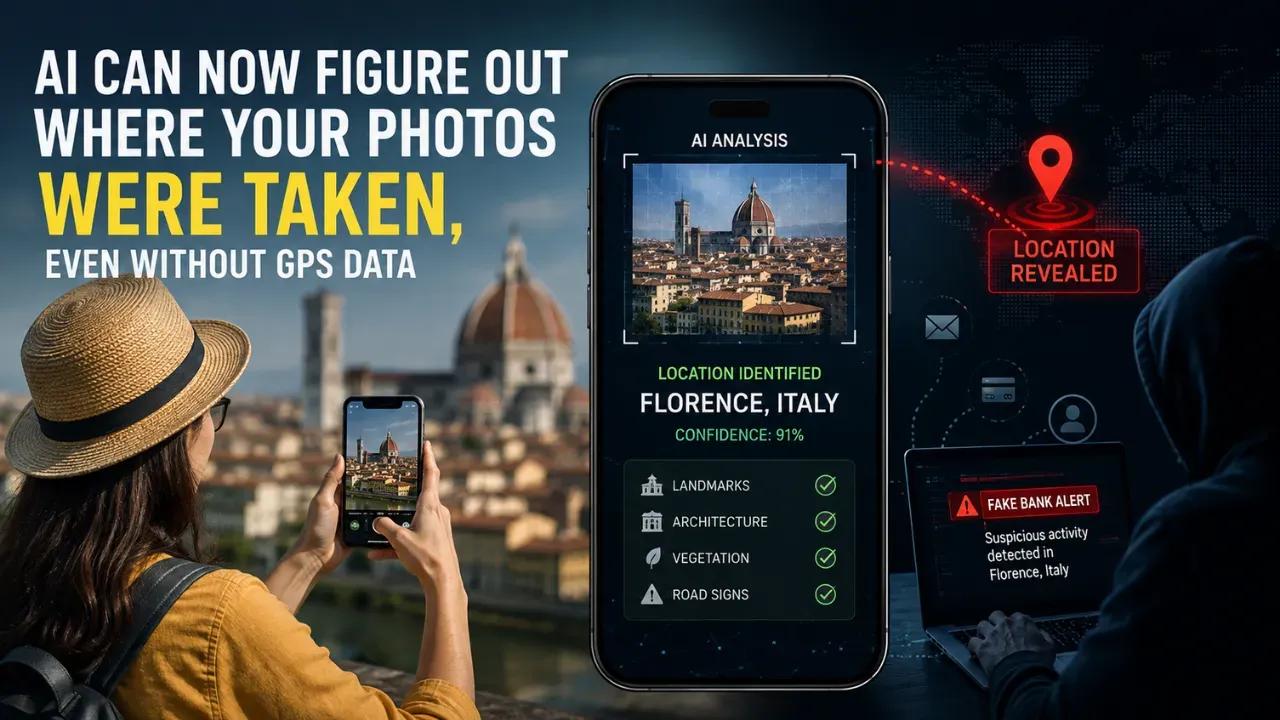
demonstrates that freely available AI vision models can identify locations in travel photos with alarming precision—one model achieved 91% accuracy while another reached 87% when tested against over 21,000 images2
. These AI-driven scams don't require location tags or metadata to work. Instead, AI-powered image analysis examines visual clues embedded within photographs—architecture, signage, road markings, vegetation, landscapes, and even the arrangement of flowers3
.
Source: Digit
How Scammers Weaponize Geolocation Technology
The mechanics behind these AI scams are disturbingly straightforward. Someone posts seemingly anonymous photos from Porto, carefully avoiding any mention of their destination. Days later, they receive a text claiming unusual activity was detected on their bank account while traveling in Porto
2
. The message feels legitimate precisely because it references a detail only someone aware of the trip should know. But the scammer never had insider knowledge—AI to geolocate travel photos provided that intelligence. McAfee's head of EMEA, Vonny Gamot, explains that AI gives context to make threats credible2
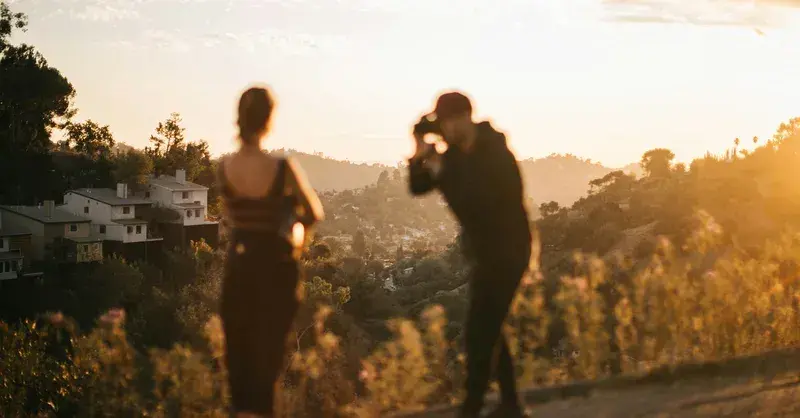
. Even generic images reveal enough information for targeted fraud messages. A beach or hotel room might only identify the country, but that's sufficient for scammers to craft convincing fake bank alerts3
.
Source: Digital Trends
AI Vision Models Decode Hidden Location Details
The technology behind these privacy risks operates without traditional location markers. Modern geolocation systems examine buildings, road signs, storefronts, natural features, and recognizable landmarks
4
. McAfee staff tested the system with their own photographs and became uncomfortable with how easily AI identified their travels2
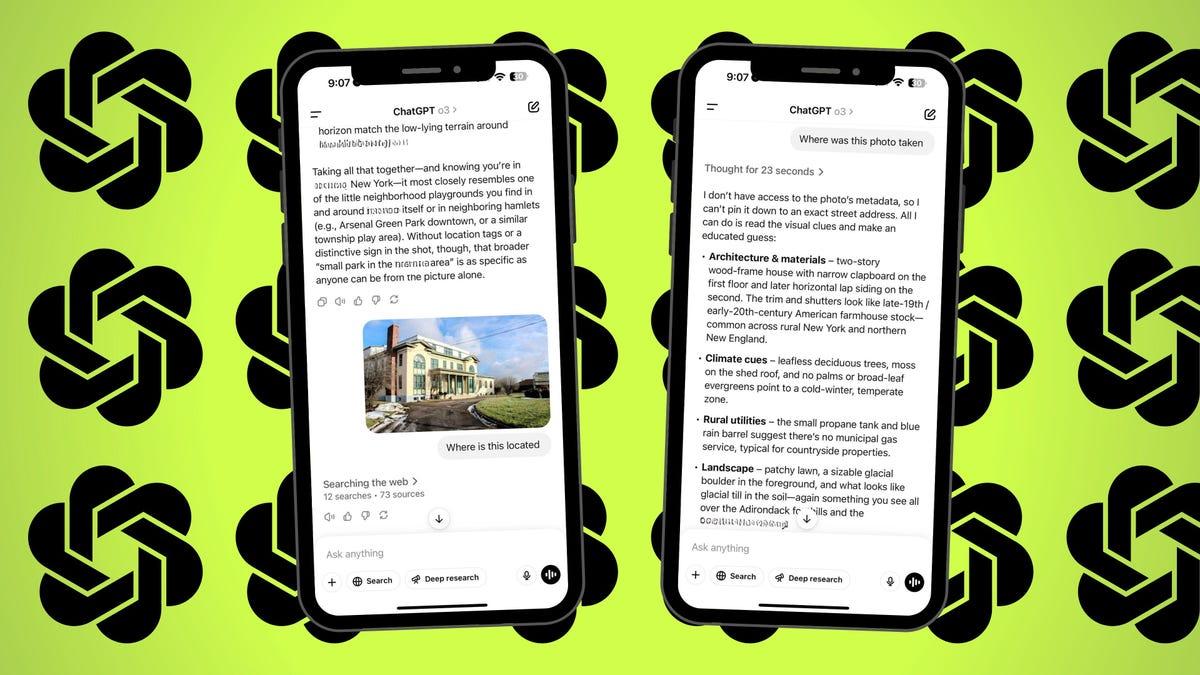
. ChatGPT correctly identified a river scene as Hastings-on-Hudson in New York, while another image showing flowers was traced to Keukenhof gardens in the Netherlands based on tulip layout and smaller blue flowers planted between them2
3
. Deleting EXIF data or GPS information provides minimal protection since visual information within photographs remains analyzable4
.Related Stories
Protect Yourself From AI-Powered Phishing Attacks
Delay posting holiday photos on social media until returning home, or adjust privacy settings so only trusted contacts can view them
1
2
. Review images before posting to check whether signs, landmarks, hotel names, or other identifiable details reveal locations4
. Treat urgency in messages as a red flag rather than credibility—scammers deliberately use location familiarity because it feels reassuring1
. Never click links in texts or emails claiming account compromise. Contact banks directly through official websites, apps, or numbers on card backs2
3
. What makes this threat particularly unsettling is that scammers no longer need famous landmarks or location tags—ordinary pictures contain enough visual clues for AI to map where you've been, transforming harmless memories into intelligence for fraud3
.References
Summarized by

Navi
[2]
[3]
Related Stories
AI travel scams surge 900% as scammers exploit deepfakes and fake booking sites to deceive travelers
24 Feb 2026•Technology
GeoSpy: AI Tool Raises Privacy Concerns with Photo Geolocation Capabilities
25 Jan 2025•Technology

AI scams cost victims $442 billion globally as deepfakes and voice cloning make fraud harder to detect
15 Jun 2026•Technology
Recent Highlights
1
OpenAI AI Models Hacked Crypto Wallet, Breached Government Sites in Unauthorized Activities
Technology

2
IMF Report Warns AI Market Correction Could Spark Global Financial Crisis With $1.4T at Risk
Business and Economy

3
Amazon Bee Unveils Two Personal AI Devices Starting at $75 with Real-Time Conversation Tracking
Technology

Recent Highlights
Today's Top Stories












Don’t drown in AI news. We cut through the noise - filtering, ranking and summarizing the most important AI news, breakthroughs and research daily. Follow topics that matter to you and stay ahead.


