Global Trade War Could Slow AI Sector Growth, IEA Warns


2 Sources
[1]
Global trade war may produce headwinds for nascent AI sector, IEA says
PARIS, April 10 (Reuters) - An escalating global tariff war could provide challenges for the emerging data centre sector and cause slower growth, Laura Cozzi, the International Energy Agency (IEA) Director of Technology told Reuters. The U.S., China and the European Union together are set to
[2]
Global trade war may produce headwinds for nascent AI sector, IEA says
PARIS (Reuters) - An escalating global tariff war could provide challenges for the emerging data centre sector and cause slower growth, Laura Cozzi, the International Energy Agency (IEA) Director of Technology told Reuters. The U.S., China and the European Union together are set to account by 2030
Share
Copy Link
The International Energy Agency (IEA) reports that an escalating global tariff war could challenge the emerging data centre sector and slow AI growth, potentially impacting electricity consumption and infrastructure development.

Global Trade War Threatens AI Sector Growth
The International Energy Agency (IEA) has warned that an escalating global tariff war could pose significant challenges to the nascent artificial intelligence (AI) sector, potentially leading to slower growth and development. Laura Cozzi, the IEA's Director of Technology, highlighted these concerns in a recent interview with Reuters
1
2
.Projected Growth and Potential Setbacks
According to the IEA's report, the United States, China, and the European Union are expected to account for 80% of the forecast growth in data centre demand by 2030, with AI use dominating this expansion. However, the agency's "headwind scenario" paints a less optimistic picture, encompassing factors such as slower economic growth and increased tariffs across multiple countries
1
2
.Electricity Consumption Forecasts
The IEA's base case scenario projects global electricity consumption from data centres to rise to approximately 945 terawatt hours (TWh) by 2030. However, under the "headwind scenario," this figure could drop to 670 TWh, indicating a significant potential impact on the sector's growth
1
2
.United States at the Forefront
The United States is expected to lead in data centre development globally, with these facilities projected to account for nearly half of the country's electricity demand growth between now and 2030. This surge in demand has led to concerns about the accuracy of projections, as tech companies approach multiple power utility providers with massive capacity requests
1
2
.Infrastructure Challenges and Risks
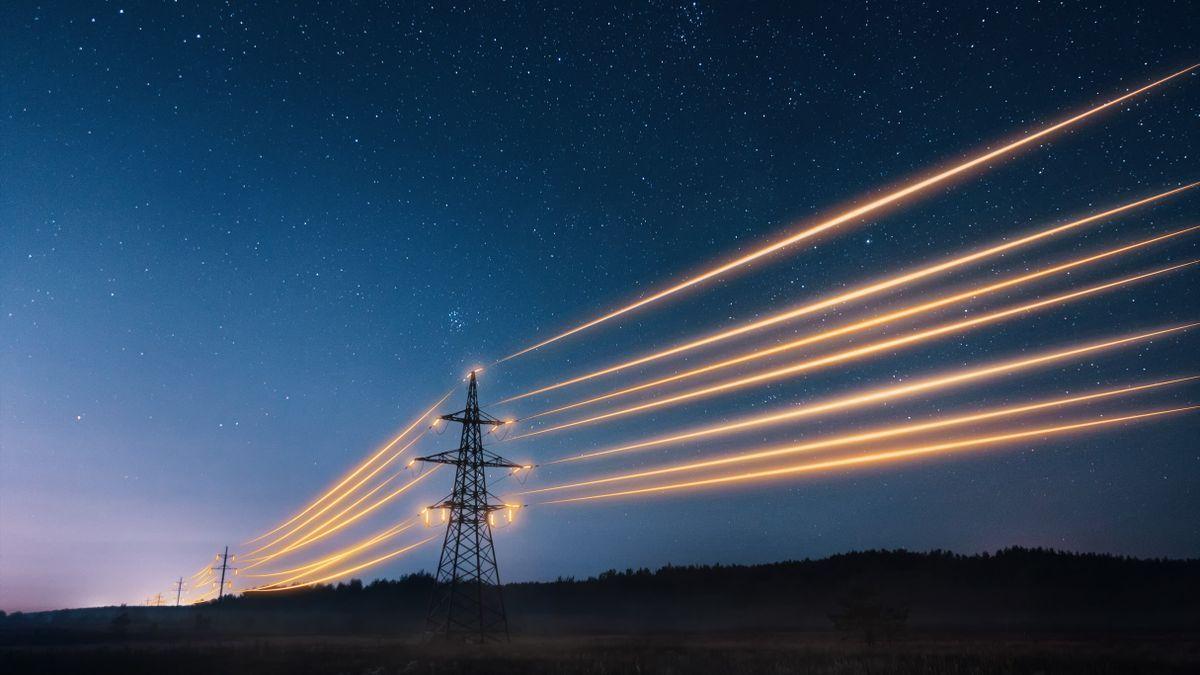
The IEA report highlights potential strains on power grids that could lead to project delays, with approximately 20% of planned data centre projects at risk. The high demand for transmission lines and critical grid and generation equipment further reflects these infrastructure challenges
1
2
.Related Stories
Geographical Concentration and Bottlenecks
About 50% of data centres under development in the United States are located in pre-existing large clusters, potentially increasing the risk of local bottlenecks. This concentration of facilities in specific areas could exacerbate infrastructure challenges and impact the overall growth of the AI sector
1
2
.Collaborative Efforts for Future Growth
The IEA emphasizes the importance of collaboration between tech companies and industry stakeholders to accurately assess the real demand for data centres. This cooperation is crucial for ensuring that AI development has access to the necessary electricity and infrastructure to support its growth
1
2
.As the global AI sector continues to evolve, navigating the complex interplay between international trade policies, infrastructure development, and energy demands will be critical for sustaining growth and innovation in this rapidly advancing field.
References
Summarized by

Navi
[2]
Related Stories
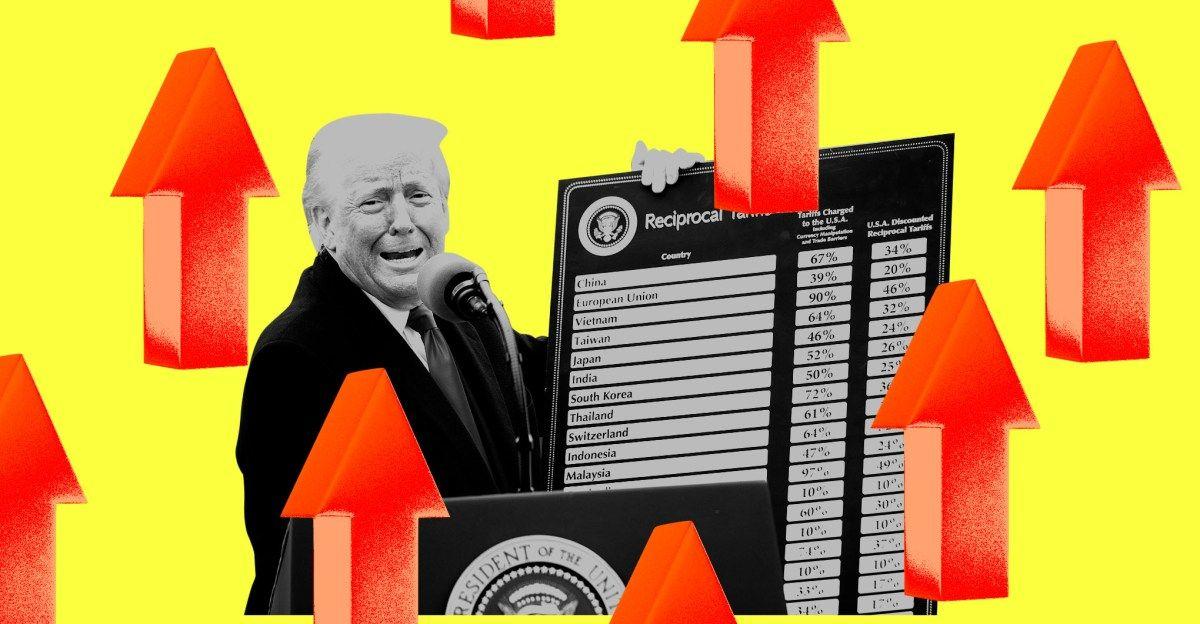
Trump's Tariffs Threaten to Disrupt AI Industry and Tech Giants
04 Apr 2025•Technology
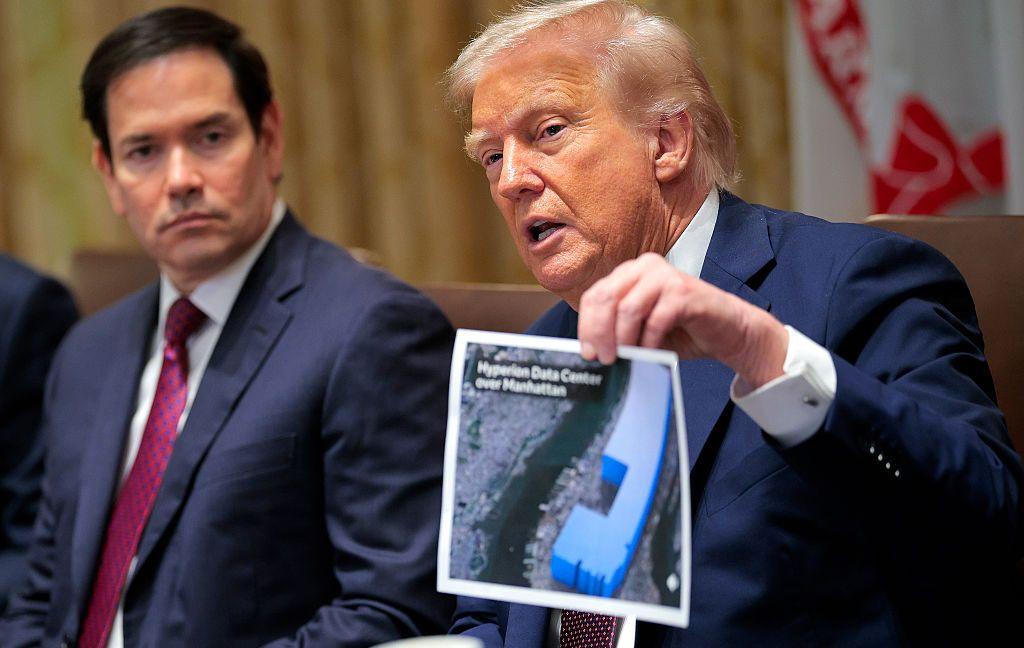
Trump Expands Ratepayer Protection Pledge as AI Data Centers Drive Electricity Costs Higher
22 Jul 2026•Policy and Regulation

Half of US AI Data Centers Delayed as Power Infrastructure Supply Chain Collapses
02 Apr 2026•Technology
Recent Highlights



Recent Highlights
Today's Top Stories



Don’t drown in AI news. We cut through the noise - filtering, ranking and summarizing the most important AI news, breakthroughs and research daily. Follow topics that matter to you and stay ahead.


