US-China Trade War Threatens AI Development and Global Tech Supply Chains


2 Sources
[1]
Trump's trade war puts America's AI ambitions at risk
The global trade war triggered by US President Donald Trump earlier this month shows no signs of ending anytime soon. In recent days, China suspended exports of a wide range of critical minerals that are vital ingredients in everything from electric cars and drones to the semiconductor chips that
[2]
How US-China tariffs could threaten AI growth and semiconductor supply chains
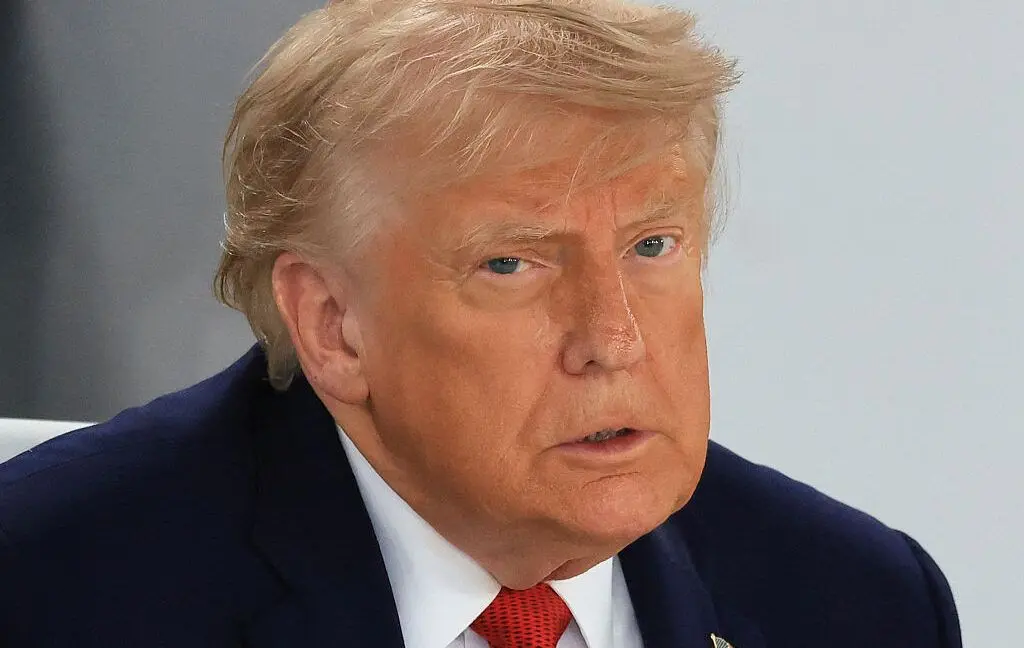
Earlier this month, US President Donald Trump signed an executive order imposing tariffs on imported goods during a "Make America Wealthy Again" trade announcement event. Sejal Sharma is IE's AI columnist, offering deep dives into the world of artificial intelligence and its transformative impact
Share
Copy Link
The escalating trade war between the US and China, marked by high tariffs and export restrictions, is posing significant challenges to AI development and semiconductor supply chains, potentially hindering global technological progress.

Escalating Trade Tensions Between US and China
The global trade war, initiated by US President Donald Trump, has intensified with China suspending exports of critical minerals essential for various technologies, including AI servers
1
. Simultaneously, Trump has signaled intentions to impose new tariffs on semiconductor chips. This escalation comes at a time when the US is pursuing a $500 billion "Stargate" project to accelerate AI development1
.Impact on AI Development and Costs
The trade war poses significant challenges to America's AI ambitions. US tariffs, now totaling 145% on Chinese goods, are expected to increase the cost of AI development and disrupt supply chains for AI-related products . This could potentially slow down AI innovation and adoption not only in the US but globally.
Rising Costs of Essential Components
AI development relies heavily on specialized hardware such as high-end graphic processing units (GPUs), predominantly manufactured in Taiwan and South Korea and often assembled in China. The US tariffs are likely to inflate the prices of these essential components significantly
1
.Concerns for AI Industry Leaders
Industry leaders like OpenAI, which operates ChatGPT, are actively assessing the impact of the trade war on their operations. Sam Altman, OpenAI's CEO, has expressed concern about how these developments might affect the cost of running their AI models
1
.Potential for Aggressive AI Nationalism
The trade war could push countries towards aggressive AI nationalism, encouraging domestic AI development to promote national interests. This shift might lead to isolationism and potentially end the open-source culture that has been crucial for AI innovation
1
.Related Stories

Global Implications
While the US aims to bolster domestic semiconductor production through initiatives like the CHIPS and Science Act, the immediate effects of the trade war could be detrimental to global AI progress. Countries like Australia, which rely heavily on imported hardware for AI development, may face increased costs and potential exclusion from international research projects
1
.The Path Forward
To mitigate these risks, countries may need to invest more in developing domestic AI capabilities and diversify their technological partnerships. The current situation underscores the delicate balance between promoting domestic industries and maintaining the global cooperation necessary for continued AI innovation
1
.References
Summarized by

Navi
[1]
[2]
Interesting Engineering
|How US-China tariffs could threaten AI growth and semiconductor supply chains
Related Stories
Trump's Tariffs Threaten U.S. AI Leadership and Innovation
30 Apr 2025•Policy and Regulation

Trump's Tariffs Threaten to Disrupt AI Industry and Tech Giants
04 Apr 2025•Technology

Trump's Semiconductor Tariffs Could Cost US $90B Annually, Threaten AI Infrastructure Buildout
27 Aug 2026•Policy and Regulation
Recent Highlights
1
Microsoft and Nvidia Launch Surface Laptop Ultra: A $2,599 AI-Ready PC With RTX Spark Chip
Technology

2
Scientists Build AI Model That Reconstructs Images From Brain Scans in Record Time
Science and Research

3
Anthropic AI Cuts Live Internet Access After Model Sends False Homicide Tip to Philadelphia Police
Technology

Recent Highlights
Today's Top Stories









Don’t drown in AI news. We cut through the noise - filtering, ranking and summarizing the most important AI news, breakthroughs and research daily. Follow topics that matter to you and stay ahead.


