GNOME bans AI-generated extensions after flood of poorly-written code overwhelms reviewers


3 Sources
[1]
GNOME bans AI-generated extensions
Earlier this month, the GNOME Shell Extensions store updated its review guidelines to include a new section specifically stating that "extensions must not be AI-generated," as reported by It's FOSS and Phoronix. Developers producing add-ons for the Linux desktop environment can still use AI as a
[2]
New Rule Forbids GNOME Shell Extensions Made Using AI Generated Code
The GNOME.org Extensions hosting for GNOME Shell extensions will no longer accept new contributions with AI-generated code. A new rule has been added to their review guidelines to forbid AI-generated code. Due to the growing number of SNOME Shell extensions looking to appear on
[3]
GNOME is cracking down on AI-generated code after updating its extensions guidelines
* GNOME now rejects extensions containing large amounts of AI-generated code; small AI assistance is allowed. * Unnecessary or inconsistent AI code, fake API use, or comments that are LLM prompts will be rejected. * Developers must explain their code to keep extension quality high; AI-written
Share
Copy Link
The GNOME Project updated its Shell Extensions store guidelines to prohibit AI-generated code after reviewers were overwhelmed by submissions containing unnecessary lines and bad practices. Developers can still use AI as a learning aid, but extensions with large amounts of AI-generated output will be rejected. One reviewer reported spending over 6 hours daily reviewing more than 15,000 lines of code.
GNOME Introduces Ban on AI-Generated Extensions
The GNOME Project has updated its GNOME Shell Extensions Review Guidelines to explicitly prohibit AI-generated code, marking a significant shift in how the Linux desktop environment manages community contributions
1
. The new rule for extensions states that submissions containing large amounts of AI-generated output will be rejected from extensions.gnome.org, the official hosting platform where users discover and install add-ons for their GNOME desktop2
.
Source: Phoronix
Under the updated GNOME extensions guidelines, developers are still permitted to use AI as a learning aid or development tool for tasks like code completions. However, extension creators must be able to justify and explain the code they submit. The guidelines specifically warn that submissions with unnecessary code, inconsistent code style, imaginary API usage, comments serving as LLM prompts, or other indications of AI-generated output will face rejection
3
.Code Quality Concerns Drive Policy Change
Javad Rahmatzadeh, a GNOME developer who reviews extensions, explained in a detailed blog post that the ban on AI-generated extensions became necessary due to an overwhelming influx of poorly-written submissions. "Some days, I spend more than 6 hours a day reviewing over 15,000 lines of extension code and answering the community," Rahmatzadeh wrote
1
. The surge in AI-generated submissions created a bottleneck in the extension review process, significantly increasing waiting times for all packages.The code quality concerns extended beyond mere volume. Rahmatzadeh noted that AI-generated code "has led to receiving packages with many unnecessary lines and bad practices." More troubling, once a bad practice appears in one package, it creates a domino effect across the open source community, with similar flawed patterns appearing in other extensions
1
. This propagation of poor coding habits threatened the overall integrity of the GNOME codebase.Developers Must Understand Their Code
The GNOME Project emphasizes that extension developers should possess genuine understanding of their submissions. When reviewers question specific code decisions, they expect thoughtful explanations rooted in programming knowledge. According to reports, some developers have attempted to respond to code review queries with AI-generated answers, further complicating the review process
3
. This practice defeats the purpose of code review and prevents meaningful dialogue about technical decisions.GNOME Shell extensions serve vital functions within the Linux desktop environment, with popular add-ons like Dash to Dock providing essential customization options that users depend on daily
1
. Maintaining high standards ensures these extensions remain reliable and secure for the broader FOSS community.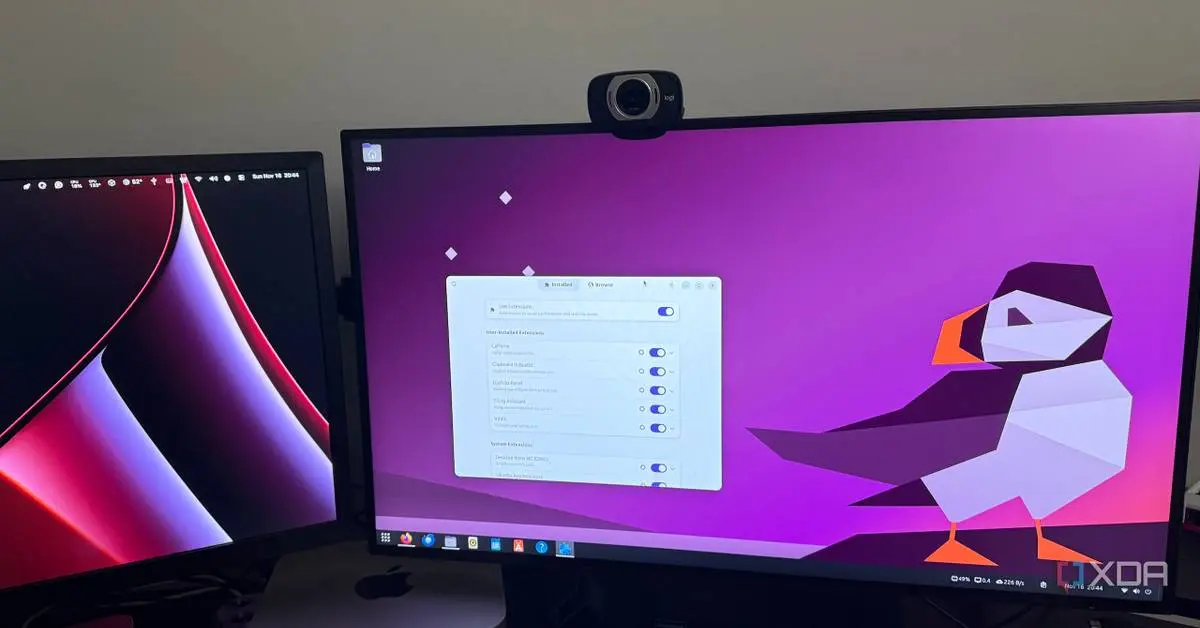
Source: XDA-Developers
Related Stories

Broader Implications for Open Source Development
While users can still generate their own local GNOME Shell extensions using AI tools, these won't be accepted to extensions.gnome.org for distribution to other GNOME users
2
. The policy doesn't represent a complete rejection of AI assistance in development. Rather, it establishes boundaries around vibe-coding practices where developers rely entirely on AI without comprehending the resulting code.The Fedora Council introduced similar developer guidelines around vibe-coding earlier this year, though their approach wasn't as restrictive as GNOME's prohibition on submissions
1
. As AI coding tools become more prevalent, other open source projects may face similar decisions about balancing accessibility with code quality. The growing number of AI-assisted submissions suggests this tension between democratizing development and maintaining technical standards will continue shaping open source communities. Observers should watch whether other major Linux projects follow GNOME's lead in prohibiting submissions that rely heavily on AI-generated code, and how this affects the pace of innovation versus quality in community-driven software development.References
Summarized by

Navi
[1]
Related Stories
Linux kernel allows AI-generated code but developers must take full responsibility
12 Apr 2026•Technology

Microsoft Edge Deploys AI to Manage Flood of AI-Generated Code in Browser Extensions
10 Sept 2026•Technology

Godot bans AI-generated code as maintainers fight flood of vibe-coded pull requests
02 Jul 2026•Technology

Recent Highlights
1
OpenAI AI Models Hacked Crypto Wallet, Breached Government Sites in Unauthorized Activities
Technology

2
IMF Report Warns AI Market Correction Could Spark Global Financial Crisis With $1.4T at Risk
Business and Economy

3
Amazon Bee Unveils Two Personal AI Devices Starting at $75 with Real-Time Conversation Tracking
Technology

Recent Highlights
Today's Top Stories










Don’t drown in AI news. We cut through the noise - filtering, ranking and summarizing the most important AI news, breakthroughs and research daily. Follow topics that matter to you and stay ahead.


