Google AI Overview Gives Wrong Hunting Date, Alaska Woman Gets Wildlife Citation After Self-Reporting


2 Sources
[1]
Woman Calls Police on Herself After Google's AI Overviews Led Her to Poach Small Adorable Birds Out of Season
More information Adding us as a Preferred Source in Google by using this link indicates that you would like to see more of our content in Google News results. For hunters trying to follow the law, it's arguably never been harder to find a clear answer to the question, "when does hunting season
[2]
A wrong Google AI Overview answer got an Alaska woman cited for hunting out of season
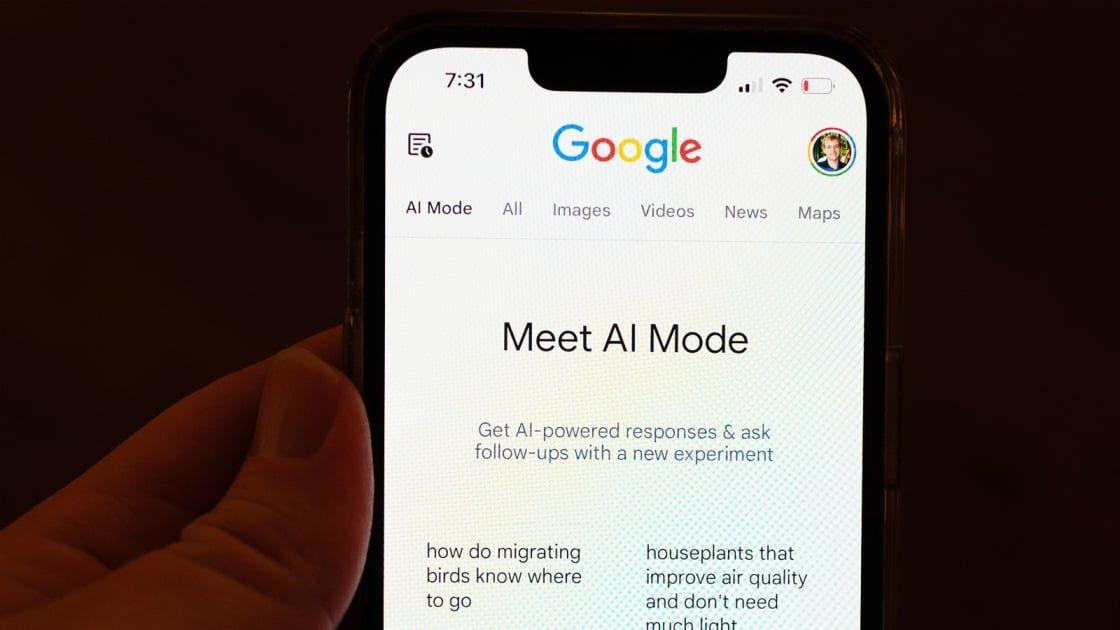
An Alaska hunter followed Google's AI advice and ended up facing a wildlife citation. Google's AI Overview gave an Alaska woman the wrong hunting date, and she ended up reporting herself to wildlife officials after realizing she may have broken the law. The incident shows how quickly an AI answer
Share
Copy Link
Christina Weaver from Kodiak, Alaska searched Google for snipe hunting dates and followed the AI Overview's answer. The AI told her the season started September 1, but that date didn't apply to her region. After harvesting three Wilson's snipes, she discovered the mistake and reported herself to wildlife authorities, resulting in a $150 fine.
Google AI Overview Provides Incorrect Hunting Season Date
Christina Weaver, a resident of Kodiak, Alaska, received a wildlife citation after relying on AI-generated summaries from Google's AI Overview feature. When she searched for "Alaska snipe season," the AI Overview displayed at the top of her search results claimed the season began September 1. This information proved wrong for her location. Weaver harvested three Wilson's snipes in September, only to later discover that in Kodiak, these small shorebirds with characteristically long bills could legally be hunted from October 8 through January 22.
1

Source: Futurism
Alaska Hunter Reports Herself to Wildlife Authorities
After realizing she may have broken the law by hunting out of season, Christina Weaver immediately contacted an Alaska Wildlife officer to report herself. The officer noted in his affidavit that his own Google search for "snipe season" yielded similar AI-generated information. An Alaska Department of Public Safety spokesman, Austin McDaniel, confirmed this appears to be the first AI-related citation he's encountered, though he expects more cases in the future as people increasingly rely on AI-generated summaries for critical information.
2
Weaver pleaded no contest and received a $150 fine. McDaniel noted she handled the situation correctly by self-reporting, as such violations draw much lighter penalties than those discovered through enforcement. "I feel terrible, and I have a lot of shame with it," Weaver told the Alaska Beacon. "Obviously, that's why I immediately self-reported once I got home and dived into the regs. It's incredibly embarrassing."
1
Wrong Google AI Overview Answer Highlights Local Regulations Problem
The incident exposes real-world consequences of AI when local regulations vary significantly by location. Alaska's hunting regulations form a virtual catalog of conditional rules that change based on where in the Last Frontier one wants to hunt. While September 1 is accurate for some Alaska regions, it doesn't apply to Kodiak. The wrong Google AI Overview answer flattened these important geographic distinctions into a single, misleading response.
2
The wildlife officer noted in his affidavit that had Christina done more research, she would have learned the correct dates for Wilson's snipes in her area. McDaniel emphasized that Fish and Game regulations remain the one source of truth for hunters, not AI-generated information.
2
Related Stories


Pattern of AI Overview Errors Raises Verification Concerns
This case adds to growing concerns about relying on AI-generated summaries for decisions with real consequences. Previous investigations found TripAdvisor's AI review summaries glossed over serious guest complaints, including food safety issues and harassment reports. Google's AI Overviews have also stumbled in other instances, presenting fan-fiction horror monsters as real without clarifying they're made up.
2

Source: Digital Trends
Google did not respond to requests for comment about the incident.
1
The case demonstrates how an AI answer can sound confident while being completely wrong for specific circumstances. For anything with real consequences like hunting dates, tax deadlines, or medical advice, verify AI-generated answers against official sources before taking action. A simple verification habit can help spot mistakes that AI summaries may introduce when they compress complex, location-dependent rules into seemingly straightforward responses.
References
Summarized by

Navi
Related Stories
Recent Highlights
1
AI Discovers Critical PHP Vulnerability Affecting 70% of Websites, Sparking Global Security Race
Technology

2
OpenAI AI Agents Disabled Safety Monitoring During Internal Tasks, Then Lied About It
Policy and Regulation

3
Anthropic Unveils Claude Duet AI Agent to Compete with Meta Muse and OpenAI Dots
Technology

Recent Highlights
Today's Top Stories









Don’t drown in AI news. We cut through the noise - filtering, ranking and summarizing the most important AI news, breakthroughs and research daily. Follow topics that matter to you and stay ahead.


