Trump cancels AI executive order signing after tech CEOs skip event and industry pushback


29 Sources
[1]
Trump canceled AI safety testing EO after snub from tech CEOs
President Donald Trump abruptly canceled an event on Thursday just hours before he was scheduled to sign an executive order granting the government the power to test frontier AI models before their public release. As The New York Times explained, Trump had been hoping that top executives from
[2]
Trump delays AI security executive order: 'I don't want to get in the way of that leading' | TechCrunch
President Donald Trump has delayed signing an executive order that would allow the government to evaluate AI models before they're released. Trump claimed he is not happy with the language of the order: "I didn't like certain aspects of it," he told the White House press pool. "We're leading
[3]
Trump postpones AI oversight executive order - Engadget
The delay reportedly came after pressure from big tech leaders. President Trump has postponed the signing an executive order around government AI oversight, CNN reported, saying he "didn't like certain aspects" of it. Originally, the order would have compelled AI companies to share advanced models
[4]
Trump postpones AI executive order signing: 'I didn't like certain aspects'
President Donald Trump on Thursday said he postponed an upcoming signing ceremony for his administration's much-anticipated executive order on the artificial intelligence industry. The event, which was set for later Thursday afternoon, was delayed "because I didn't like certain aspects of it,"
[5]

Here's the Executive Order on AI That Gave Trump Cold Feet
Earlier this week, Trump's coterie of big tech execs was supposed to join him to sign it. Then it got called off. We finally have a look at the actual draft executive order on AI safeguards that President Donald Trump abruptly decided not to sign on Thursday. The executive order would have
[6]

How big tech got its way on Trump's AI executive order
The US president's reversal on calling for a safety review of new AI models is a green light for tech's unchecked power Only hours before Donald Trump was set to sign a long-awaited executive order on Thursday that would have called for a government safety review of new artificial intelligence
[7]

Why Trump's AI executive order was pulled
Why it matters: Any further delay of the order means more time for infighting and for the text to get bogged down in disagreements among different parts of the government and industry. Behind the scenes: Ahead of the signing, Trump, AI adviser David Sacks, and some in industry discussed the
[8]

The tech bro billionaires won the fight over the AI executive order. But are they losing the war? | Fortune
The tech bros struck back. That's the best way to describe what happened yesterday when President Donald Trump suddenly decided to indefinitely postpone signing an Executive Order on AI, even as technology company executives he had invited to be present at the White House for the signing were
[9]

Trump calls off executive order for AI safety due to concerns about inhibiting growth
US President Donald Trump abruptly called off a highly anticipated White House signing ceremony for a sweeping executive order intended to establish a federal safety vetting framework for advanced artificial intelligence (AI) models. According to The Wall Street Journal, Trump withdrew the draft
[10]

Trump Halts AI Order Over Fears It Could Hurt US Edge Over China - Decrypt
Trump also said Chinese President Xi Jinping acknowledged the U.S. lead in AI during a meeting last week. President Donald Trump said Thursday he halted a planned signing ceremony for his administration's AI executive order after deciding parts of the proposal could undermine the U.S. position in
[11]

Who killed Trump's AI order? Musk says it wasn't him
Washington (United States) (AFP) - Speculation swirled Friday over the last-minute collapse of President Donald Trump's planned executive order on powerful AI models, with fingers pointing at the president's allies in Silicon Valley who oppose government oversight of the technology. A draft of the
[12]

Trump abruptly scraps signing of landmark executive order regulating AI
President Donald Trump in the Oval Office on Thursday.,Kent Nishimura / AFP via Getty Images President Trump abruptly delayed the signing of a landmark executive order on AI Thursday afternoon, telling reporters that he had pulled the order at the last minute because it could interfere with
[13]
Trump postpones executive order on AI over China concerns - US politics live
Trump postpones executive order on AI, citing need to keep 'lead' over China The US president Donald Trump postponed signing an executive order on AI because he did not like certain aspects of it and did not want to take any steps that might undermine the US position in its AI competition with
[14]

Trump delays AI executive order after tech industry pushback - SiliconANGLE
Trump delays AI executive order after tech industry pushback U.S. President Donald Trump has delayed the signing of an executive order designed to regulate advanced artificial intelligence models. "I didn't like certain aspects of it. I postponed it," Trump told reporters at a Thursday event in
[15]

Trump cancels AI executive order over concerns of slowing U.S. tech innovation
Trump said he was postponing the Oval Office event with tech industry executives because he did not like what he saw in the order's text. "We're leading China, we're leading everybody, and I don't want to do anything that's going to get in the way of that lead," Trump told reporters. The order
[16]
Trump says he's calling off widely anticipated order to rein in AI | Fortune
President Donald Trump called off plans to sign a new executive order on artificial intelligence hours before an expected White House ceremony Thursday because he said he was worried the measure could dull America's edge on AI technology. Trump said he was postponing the Oval Office event with
[17]

Trump's last-minute AI order switch exposes White House divides
President Trump's abrupt decision to pull an executive order on artificial intelligence testing has exposed a deeper divide in the White House over how to oversee the technology's development without stopping its growth. After ushering tech leaders to the White House for a signing ceremony
[18]

Trump abruptly halts signing AI order citing concerns with overregulating
President Donald Trump says rolling back a Biden EPA refrigerant rule will cut grocery prices, shipping costs and air conditioning expenses. WASHINGTON -- President Donald Trump abruptly halted plans to issue a long-awaiting executive order on artificial intelligence hours before prominent tech
[19]

Trump Postpones Signing Artificial Intelligence Order Out of Concern It Would Hurt the AI Industry
WASHINGTON (AP) -- President Donald Trump called off a signing ceremony Thursday for a new order on artificial intelligence because he worried it could dull America's edge on AI technology. Trump said he was postponing the signing because he did not like what he saw in the order's text. He
[20]

Who killed US President Donald Trump's AI order? Musk says it wasn't him
President Donald Trump's executive order on powerful AI models has collapsed. Allies in Silicon Valley reportedly convinced the president to pull the plug. The order aimed to implement new AI cybersecurity measures. This development highlights Washington's struggle to agree on AI guardrails. The
[21]
Trump postpones long-awaited artificial intelligence order signing
President Trump has postponed the signing ceremony for his long-awaited executive order on a voluntary testing process for artificial intelligence models, Trump saying he "didn't like certain aspects of it." The White House told invited tech leaders Thursday morning that the ceremony was off,
[22]

Trump Backs Out Of AI Executive Order Amid Fears It Could Hurt US Tech Edge -- 'Don't Want To...Get In The
President Donald Trump on Thursday canceled plans to sign a new executive order on artificial intelligence after raising concerns that stricter oversight could weaken America's lead in the global AI race. "We're leading China, we're leading everybody, and I don't want to do anything that's going
[23]
Trump calls off AI executive order over concern it could weaken US tech edge
President Trump halted an AI executive order. He feared it would slow America's technological progress. The order aimed to review AI's national security risks. This move comes amid concerns about AI's cybersecurity capabilities. Tech firms were to collaborate voluntarily. The administration seeks
[24]

Trump Delays AI Executive Order Over Competitiveness Concerns | PYMNTS.com
By completing this form, you agree to receive marketing communications from PYMNTS and to the sharing of your information with our sponsor, if applicable, in accordance with our Privacy Policy and Terms and Conditions. Trump told reporters in the Oval Office that he did not want to take any action
[25]

Trump says he postponed signing AI order because he didn't 'like' it
President Trump said he postponed today's signing of an executive order on artificial intelligence because he "didn't like" all the details, arguing it would put American companies behind foreign competition. "I didn't like certain aspects of it, I postponed it," Trump told reporters in the Oval
[26]

Trump says he's postponing signing an executive order on AI out of concern it would hurt AI industry
WASHINGTON -- U.S. President Donald Trump called off a Thursday signing ceremony for a new order on artificial intelligence because he worried it could dull America's edge on AI technology. Trump said he was postponing the signing because he didn't like what he saw in the order's text. He
[27]

Trump postpones AI executive order, didn't like parts of it
STORY: :: Trump postpones signing an executive order on AI because he 'didn't like' parts of it :: Washington, D.C. / May 21, 2026 "Because I didn't like certain aspects of it. I postponed it. I think it gets in the way of, you know, we're leading China, we're leading everybody. And I don't want
[28]
White House postpones Trump's AI signing ceremony, say sources
May 21 (Reuters) - The White House has postponed its planned Thursday ceremony for President Donald Trump to sign a new executive order on AI and cybersecurity, two sources familiar with the matter said. Axios, citing an internal note, was the first to report the news. The order would create a
[29]

AI and cybersecurity: Trump delays govt action, as tech leaders give warning
On Thursday, the White House's much-awaited executive order on AI and cybersecurity plans suffered a dramatic change of fortune and was withdrawn from the schedule of events just before it was to be signed. Also read: OpenAI made more money than Anthropic, but ChatGPT growth has stalled According
Share
Copy Link
President Trump abruptly canceled an AI executive order just hours before signing, initially due to tech CEOs not attending the event. The order would have allowed voluntary government testing of frontier AI models up to 90 days before release. Industry pressure from Elon Musk, Mark Zuckerberg, and former AI advisor David Sacks reportedly influenced the decision, with concerns that even voluntary AI safeguards could slow innovation and hurt US leadership in AI against China.
Trump AI Executive Order Canceled Hours Before Signing
President Donald Trump abruptly canceled a signing event on Thursday, just hours before he was scheduled to sign an AI executive order that would grant the government power to test frontier AI models before public release
1
. The sudden reversal came after Trump learned that some tech CEOs couldn't attend the event on 24 hours' notice, leaving other executives who had quickly rearranged their schedules midair on their way to the Oval Office when they discovered the trip was for nothing1
. Trump publicly stated he "didn't like certain aspects of it" and expressed concern that the order "could have been a blocker" to US leadership in AI2
4
.
Source: Market Screener
Industry Pressure From Elon Musk and Mark Zuckerberg
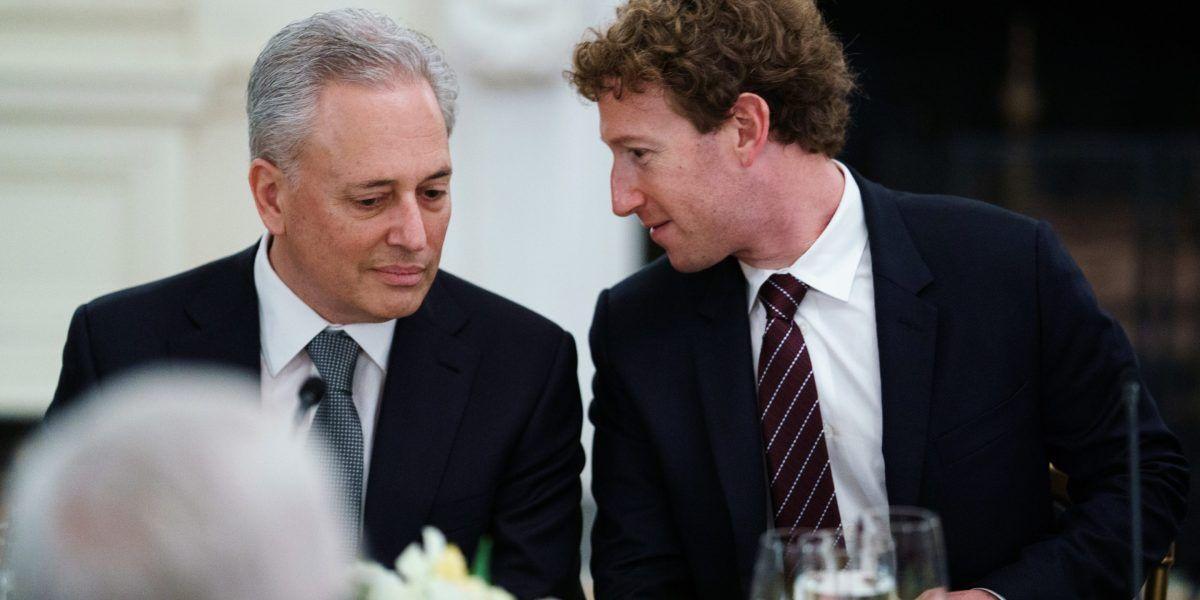
Beyond the CEO attendance issue, the delay reportedly came after significant pressure from AI industry leaders. Elon Musk and Mark Zuckerberg helped "derail" the AI executive order, urging Trump to call it off, according to reports
1
3
. Former AI advisor David Sacks, whose special government employee designation expired in March, also joined the push to delay the signing1
. Sacks reportedly brought industry concerns directly to Trump on Wednesday night, arguing that AI companies are already cooperating with the government and that any federal review process could slow innovation and give China an edge5
. Musk denied involvement on X, writing "this is false" and claiming he doesn't "know what was in that EO"1
.
Source: Fortune
Voluntary Framework for AI Safety Testing Proposed
The leaked draft of the AI oversight executive order revealed a framework that would have allowed AI companies to voluntarily give the federal government access to frontier AI models up to 90 days before their wider release to "strengthen the cybersecurity of critical infrastructure"
5
. The draft emphasized that "nothing in this section shall be construed to authorize the creation of a mandatory governmental licensing, preclearance, or permitting requirement for the development, publication, release, or distribution of new AI models"5
. One key tension between the Trump administration and the tech industry centered on the timeline for government to assess AI models—the government sought evaluation up to 90 days prior to release, while AI labs pushed for only 14 days1
2
.AI Security Risks Drive Push for Government Oversight
Members of Trump's administration began recommending AI safety testing after Anthropic flagged cybersecurity risks with its latest model, Mythos
1
3
. The anticipated AI executive order would have tasked the Office of the National Cyber Director and other agencies with developing a process to evaluate AI models for security before their release, partly in response to concerns from Mythos and OpenAI's GPT-5.5 Cyber—both of which can quickly find and exploit security vulnerabilities2
. The goal was for the government to identify any security vulnerabilities revealed by AI models and patch problems in its systems to help protect banks, utilities, and other sensitive industries from cyberattacks1
.Related Stories

Tensions Within White House Over AI Regulation Approach
Trump has maintained a hands-off approach to AI regulation since retaking office, previously stating "we have to grow that baby [AI] and let that baby thrive. We can't stop it with politics... [and] foolish rules and even stupid rules"
3
. However, discord exists not just between political parties but among Trump's team, with tensions reportedly starting after the abrupt end of Sacks' tenure as AI advisor, creating a "power vacuum" within the White House's AI leadership structure1
. While Trump faces pressure from the Commerce Department and the Office of Science and Technology Policy to maintain a light-touch approach to AI regulation, more security-focused agencies like the Office of the National Cyber Director believe the time for AI governance is now1
.China Accelerates AI Governance While US Hesitates
While the US has been hesitant to regulate AI, China's regulatory process is accelerating significantly in recent months
1
. In April, Beijing issued a new regulation requiring domestic AI firms to establish internal "artificial intelligence ethics review committees," and in May, the State Council outlined a legislative work plan for 2026 to improve AI governance and accelerate comprehensive legislation for the sound development of AI1
. Lizzi C. Lee, a fellow at the Asia Society Policy Institute's Center for China Analysis, told the South China Morning Post that Trump appears to be navigating the same AI safety dilemma as China: how to guard against national security risks without stifling innovation1
. Lee suggested that parallel to the AI race is "a separate, potentially more important race" to figure out who can govern powerful AI without choking off innovation, with China potentially edging ahead of the US in that race1
. It remains unclear whether Trump plans to reschedule the event or what changes might be required to ensure he signs AI safeguards that balance both US leadership in AI and protection of critical infrastructure from emerging AI security risks.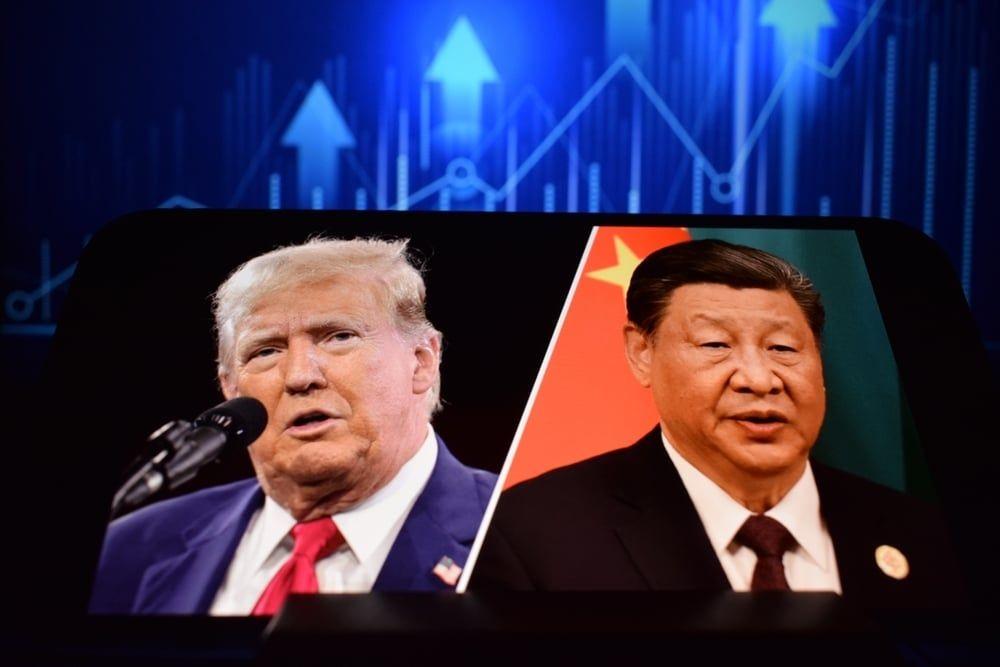
Source: Benzinga
References
Summarized by

Navi
[1]
[2]
Related Stories
Trump Overturns Biden's AI Safeguards, Calls for 'Ideologically Unbiased' Development
21 Jan 2025•Policy and Regulation

Trump Administration locked in internal conflict over AI regulation as executive order scrapped
02 Jun 2026•Policy and Regulation
Trump's Executive Order Targets State AI Laws, Sparking Bipartisan Pushback and Legal Uncertainty
08 Dec 2025•Policy and Regulation
Recent Highlights
1
Meta Unveils Muse Wonder Frontier AI Models, Claims Performance Matching OpenAI and Anthropic
Technology

2
IMF Report Warns AI Market Correction Could Spark Global Financial Crisis With $1.4T at Risk
Business and Economy

3
OpenAI Releases 722 AI-Generated Math Solutions, Triggering Existential Crisis in Mathematics
Technology

Recent Highlights
Today's Top Stories








Don’t drown in AI news. We cut through the noise - filtering, ranking and summarizing the most important AI news, breakthroughs and research daily. Follow topics that matter to you and stay ahead.


