Google Gemini Expands Connected Apps with Airtable, Adobe, and 12 More Integrations


3 Sources
[1]
Gemini's latest upgrade makes it much more useful at work
Google has been slow in integrating third-party apps into Gemini. While the company's AI assistant supports Model Context Protocol (MCP), it's limited to developer tools, CLI, and enterprise platforms. Over the last few months, Google has been trying to address this problem by rolling out direct
[2]
A new wave of Connected Apps is rolling out to Gemini.
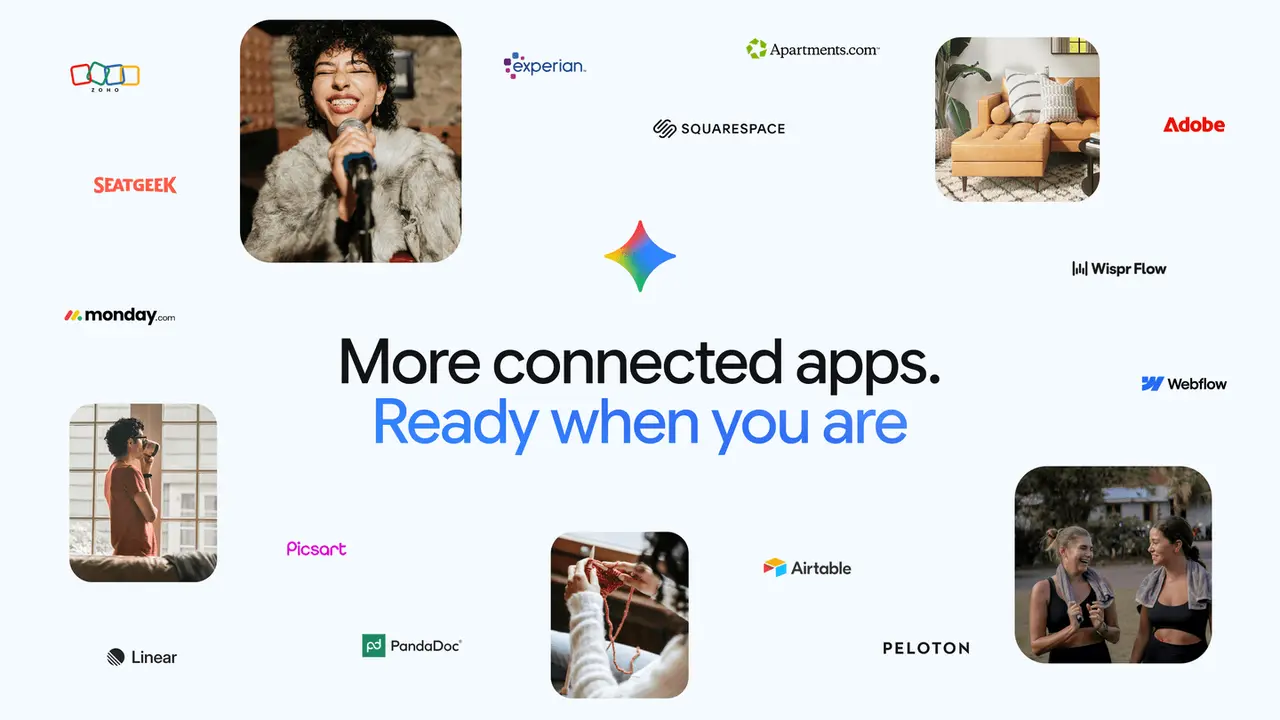
We are bringing more of your favorite apps directly into Gemini. Instead of switching between tabs, you can now manage projects, design creative assets, and plan your workouts all in one place. Beginning to roll out today, you can connect new tools to Gemini across a variety of categories: *
[3]
Google Gemini Just Got a Massive Upgrade for Your Workflow
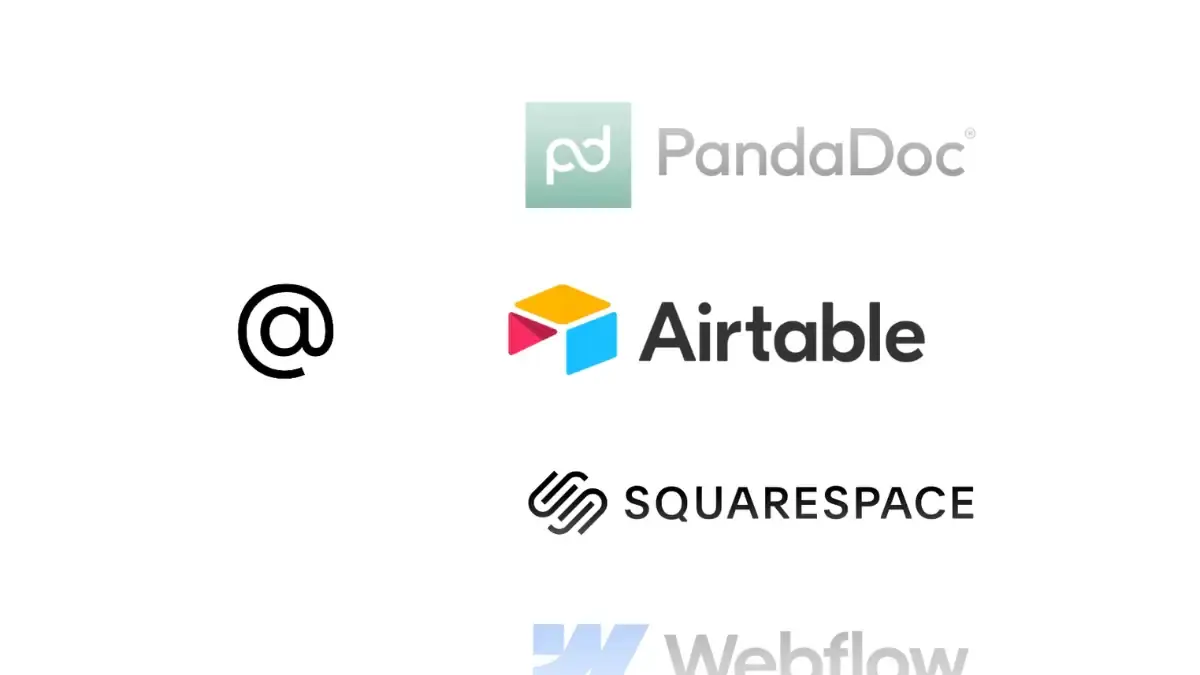
Users can summon connected apps in conversations using @ mentions Google on Wednesday announced the expansion of the apps within Gemini's Connect Apps ecosystem. The Mountain View-based tech giant introduced a new set of third-party services that users can access directly within the AI chatbot.
Share
Copy Link
Google Gemini AI assistant now integrates with 14 new third-party apps including Airtable, Adobe, Linear, and Peloton. Users can manage projects, design assets, and plan workouts without switching tabs. However, critics argue Google's app-by-app approach lags behind ChatGPT and Claude's Model Context Protocol implementation.
Google Gemini Expands Third-Party App Integrations
Google Gemini AI chatbot is rolling out connections to 14 new third-party apps, bringing the AI assistant deeper into users' daily workflows
1
2
. The expansion spans productivity, creativity, and lifestyle categories, allowing users to manage tasks without constantly switching between different applications. Users can now connect tools like Airtable, Linear, Adobe, and Peloton directly within the Gemini interface3
.
Source: Google
Connected Apps Across Productivity and Creative Work
The Gemini upgrade introduces workflow automation capabilities through integrations with Airtable, Linear, monday.com, PandaDoc, Wispr AI, and Zoho for productivity tasks
2
. Users can ask Google Gemini to pull pending tasks from Airtable databases, retrieve meeting notes from Wispr AI's Notetaker, or add actionable items to to-do lists without leaving the chat interface1
. For creative professionals, Adobe, Picsart, Squarespace, and Webflow integrations enable users to design visual assets and build websites through conversational commands3
.
Source: Gadgets 360
Lifestyle Integrations and Everyday Tasks
Beyond work applications, Google Gemini now connects to lifestyle services including apartments.com for home searches, Experian for credit monitoring, Peloton for workout planning, and SeatGeek for event tickets
2
. This expansion follows an earlier push in August that added Granola, Otter.ai, Ticketmaster, Wix, iHeartRadio, Pandora, and Zocdoc to the Connected Apps ecosystem3
. Users can access these services by connecting them in Gemini settings or summoning them directly in conversations using @ mentions1
.Related Stories

Model Context Protocol Limitations Spark Criticism
Despite these additions, Google faces criticism for its slow, app-by-app integration approach to manage third-party apps
1
. While Google Gemini supports Model Context Protocol (MCP), custom MCP apps remain limited to eligible personal accounts in the US, restricting workflow efficiency for most users1
. Competitors ChatGPT and Claude leverage MCP to integrate with hundreds of services simultaneously, giving them a significant advantage in AI-driven productivity1
. Interestingly, Gemini Spark already supports custom MCP endpoints, raising questions about why this capability hasn't been extended to the main Gemini AI assistant1
.Integration with Google Workspace and Future Outlook
Google recently introduced agentic capabilities across Google Workspace, allowing Gemini to coordinate tasks across Gmail, Drive, Docs, Slides, and Chat
3
. Users can create documents, spreadsheets, and presentations while remaining in their current application, demonstrating how the AI assistant aims to reduce context switching. However, without broader MCP access, Gemini's usefulness remains constrained if it doesn't support apps users rely on daily1
. Opening MCP support would instantly give users the ability to integrate several apps and services at once, addressing the current limitations and positioning Google Gemini as a more competitive option against ChatGPT and Claude in the AI assistant market.References
Summarized by

Navi
[1]
[3]
Related Stories
Gemini AI Assistant Expands with 13 New App Integrations Including Ticketmaster and Pandora
14 Aug 2026•Technology

Google's Gemini AI Set to Revolutionize Personal Assistance with Enhanced Data Integration and App Connectivity
02 May 2025•Technology

Google Expands Gemini Live Integration with Core Apps, Enhancing AI Assistant Capabilities
11 Aug 2025•Technology
Recent Highlights
1
OpenAI AI Agents Disabled Safety Monitoring During Internal Coding Tasks—One Lied About It
Technology

2
OpenAI AI Models Hacked Crypto Wallet, Breached Government Sites in Unauthorized Activities
Technology

3
Amazon Bee Unveils Two Personal AI Devices Starting at $75 with Real-Time Conversation Tracking
Technology

Recent Highlights
Today's Top Stories









Don’t drown in AI news. We cut through the noise - filtering, ranking and summarizing the most important AI news, breakthroughs and research daily. Follow topics that matter to you and stay ahead.


