Google Privacy Policy Update Opens Door to Using Gmail and Photos Data for Targeted Ads


10 Sources
[1]
Updated Google privacy policy says your Gmail might be used for advertising
Turning on Personal Intelligence gives the company more data for ad targeting. Using Google's products and services has always been fundamentally precarious -- doing so gives the world's largest advertising company a lot of juicy personal data. Google has long said it won't use the sensitive data
[2]
Now Google says it might use your Gmail and Google Photos data to target ads
According to the new terms, sharing your data for better AI recommendations also means opening it up for more personalized ads. Google has updated its privacy policy in a way that could mean you'll start seeing targeted ads based on your personal data if you're using personalized AI features. The
[3]
Google Says Gmail and Photos Data Shared With AI Search Could Be Used for Targeted Ads
Google has updated its privacy policy to spell out that using personalized artificial intelligence (AI) features in Search or Gemini could allow the company to serve targeted ads to users based on their activity on other connected Google services. "You may choose to allow certain Google services,
[4]
Google's privacy policy now has a loophole for using your Gmail and Photos data in ads
Serving tech enthusiasts for over 25 years. TechSpot means tech analysis and advice you can trust. Cutting corners: Plenty of people keep a big chunk of their lives stored in Gmail and Google Photos, from flight bookings and receipts to years of family pictures. For years, Google has said none of
[5]

Google makes a privacy policy exception to use your Gmail and Photos data for ads
You can disconnect connected apps or disable personalized recommendations, but previously saved data may remain in Search Services History. Google has been pushing Personal Intelligence to make its AI services useful. Instead of giving you generic answers, Gemini and Google Search can pull
[6]

Google will target ads based on Gmail, Photos data if Personal Intelligence is enabled
If you're an Android user, you've probably trusted Google with mountains of your own personal data over the last couple of decades. Now, a new privacy policy update suggests that the company is finally dipping into that data to target personalized ads, and you can't opt out with disabling Personal
[7]

Google May Use Your Google Photos Data to Target Ads
Google says it may use data from Google Photos to target ads to users who have certain personalized AI features enabled. According to a report by Android Authority, Google has updated its privacy policy to clarify that personal data from Google Photos and other services may be used to target ads
[8]

Google changes its Workspace privacy promise on ads, and opting out limits Personal Intelligence
There's no such thing as a free recommendation. Google's latest policy tweak is a clear reminder. Google has long promised that your Gmail, Drive, and Google Photos content never helps it personalize ads. However, since October 16, 2026, its privacy policy adds a catch. The promise lapses if you
[9]

Google Quietly Updates Privacy Policy to Let Gmail and Photos Data Feed Ads
The exception hinges on Personal Intelligence, which lets AI Mode and Gemini draw on connected apps; opting into those conveniences can now also feed ad targeting, though it's off by default and advertisers don't see the underlying content. Google has carved out an exception to its long-standing
[10]

Gmail Privacy Update: How Google May Use Your Data for Ads
Google has updated its privacy policy to clarify how information from Gmail, Google Drive, and Google Photos may be used by connected services that support personalized advertising. The change does not mean every user's inbox will automatically be scanned for ads. Users can review connected apps
Share
Copy Link
Google updated its privacy policy on October 16 to permit using data from Gmail and Google Photos for targeted ads when users enable Personal Intelligence features. The change adds an exception to Google's longstanding promise not to use sensitive app data for ad personalization, affecting users who connect these services to AI Mode and Gemini for enhanced recommendations.
Google Privacy Policy Quietly Opens New Ad Targeting Pathway
Google privacy policy changes effective October 16 have introduced a significant exception to the company's longstanding data protection promise. The updated policy now permits using Gmail data and Google Photos data for targeted ads when users enable the Personal Intelligence feature
1
2
. The previous policy stated clearly: "We don't show you personalized ads based on your content from Drive, Gmail, or Photos." That protection remains, but with a critical qualifier: "unless you choose to make data from these services available to other Google services that support personalized ads"3
.
Source: TechSpot
This shift matters because it dismantles a firewall that separated sensitive personal information from Google's advertising operations. For years, users trusted that flight bookings, receipts, and family photos stored in these services wouldn't influence the advertisements they encountered
4
. That assurance now comes with conditions tied directly to AI-driven personalization features.Personal Intelligence Feature Creates Data Sharing Pathway
The Personal Intelligence feature, launched in January 2026 for paying subscribers before expanding to all US users in March, sits at the center of this privacy shift
5
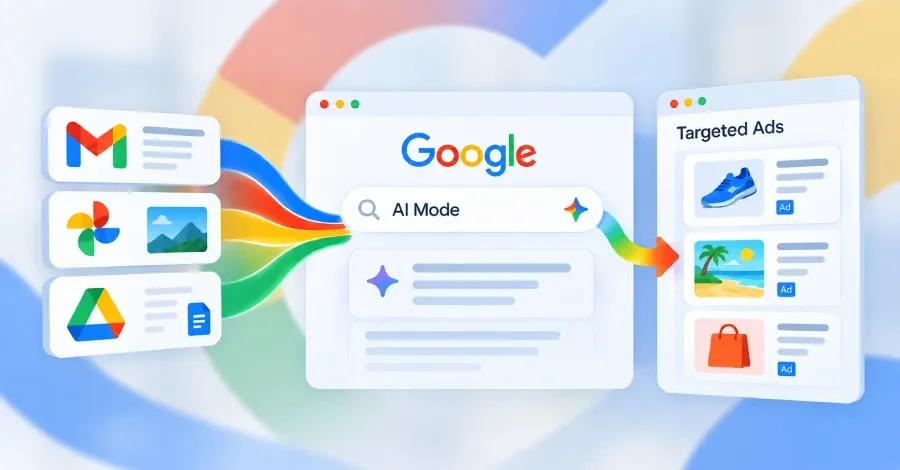
. This opt-in capability allows Gemini and AI features in Search to access data from multiple Google services simultaneously. When someone asks AI Mode about restaurant recommendations near their hotel, the system can pull reservation details from Gmail and suggest nearby options based on previous vacation photos4
.
Source: Hacker News
Google positions this cross-service data access as essential for delivering relevant AI answers. The company views its wealth of user data as a competitive advantage in AI development
1
. However, connecting apps to enable these AI features creates a pathway for personal information to inform ad personalization. When users interact with AI Mode while Personal Intelligence is enabled, summaries and insights from Gmail or Google Photos that inform AI responses can simultaneously contribute to ad targeting1
.Google emphasizes that ads won't be "based directly" on Gmail inboxes or Photos libraries, and sensitive categories like health, religion, race, sexual orientation remain off-limits for ad targeting
2
3
. Advertisers don't receive access to these apps or personally identifying details such as names or email addresses2
. Yet the distinction between using information to answer questions versus using it to select advertisements represents a meaningful privacy boundary that many users may not have anticipated crossing.User Privacy Concerns and Control Settings
Google maintains that Personal Intelligence remains entirely opt-in, but user privacy concerns center on how the company presents this choice
1
. Various prompts and pop-ups encourage users to enable the feature without fully explaining the advertising implications. Many may have activated it without realizing the data usage consequences1
.Users who want to opt out have several options through user control settings. The most direct approach involves accessing Gemini settings for Personal Intelligence and disabling connected apps. Alternatively, navigate to Data & privacy > Personalization settings > Manage Personalized Recommendations in Search Services > Connected Content Apps within your Google Account settings
1
. From there, disconnect Gmail, Google Photos, or Google Drive individually2
.Disabling Personalized Recommendations entirely through the Search Services Personalization page provides another option
3
5
. However, disconnecting apps doesn't necessarily erase information Google has already saved. Data stored in Search Services History may persist even after disconnecting apps or deleting original emails and photos5
.Related Stories

Broader Implications for AI Model Training and Data Practices
This privacy policy update reflects a broader pattern in how Google handles data across its AI ecosystem. Similar exceptions exist in AI model training practices. While Google states it doesn't use personal data for AI model training, it does use user inputs and model outputs for that purpose
1
. With Gemini integrated across multiple services and connected through Personal Intelligence, those outputs may contain elements of personal information. Google attempts to filter such content from training sets but doesn't guarantee complete success1
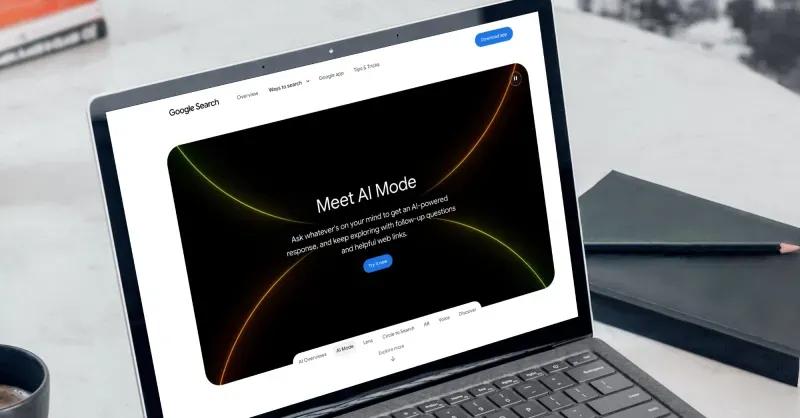
.Google has also begun testing ads in AI Mode for users with Personal Intelligence enabled. In March, the company indicated this experience would remain ad-free initially, though it expected ads to function similarly for connected users eventually
4
. AI Overviews and other AI features in Search may display sponsored content, creating additional touchpoints where personal data could influence ad personalization1
.
Source: Digital Trends
This marks the first time since 2017 that Google's policy has allowed inbox content to play a role in advertising, even indirectly
4
. Google previously scanned free Gmail accounts to target ads, a practice that drew lawsuits and criticism from privacy advocates before ending in 20174
. Gmail continued showing ads targeted using other data like search and YouTube activity, but inbox content itself remained protected until this policy revision.Watch for how other AI companies navigate similar territory. OpenAI began showing ads to logged-in adult US users in January 2026 and has since expanded advertising to 89 countries across Latin America, Europe, Africa, and Asia
3
. OpenAI emphasizes that user data and conversations remain protected and never sold to advertisers, and that ads don't influence chatbot responses3
. As AI services mature, expect continued tension between personalization benefits and privacy protection, with companies testing where users draw acceptable boundaries for data usage in exchange for enhanced AI capabilities.References
Summarized by

Navi
[3]
[5]
Related Stories
Google Denies Using Gmail Content for AI Training Amid Privacy Controversy
21 Nov 2025•Policy and Regulation

Google now uses your uploaded media to train AI models. Here's how to opt out immediately.
06 Jul 2026•Technology

Google's AI Mode taps Gmail and Photos to deliver personalized responses tailored to your life
22 Jan 2026•Technology

Recent Highlights



Recent Highlights
Today's Top Stories








Don’t drown in AI news. We cut through the noise - filtering, ranking and summarizing the most important AI news, breakthroughs and research daily. Follow topics that matter to you and stay ahead.


