Google Pixel 10's AI Features: A Mixed Bag of Innovation and Disappointment


3 Sources
[1]
This failed feature crushed my optimism about the Pixel 10
The Pixel 10 is here, and it's great. Google has built on the strengths of the Pixel 8 and Pixel 9 to release a fantastic lineup of phones that make the iPhone 17 look derivative and tired. Still rocking a Pixel 8, I kept a close eye on the launch of the Pixel 10, especially after a slew of leaks
[2]
AI Slop Has Shattered My Trust in Google Pixel Phones
I have long not been a Google guy, but I still considered Pixel phones to be devices I could easily recommend to others. Google's approach to AI has changed that. I no longer feel comfortable using or recommending these phones. There Were Many Reasons to Recommend Pixel Phones Google Pixel phones
[3]
I didn't buy the Pixel 10 Pro for this feature -- but now I use it every day
I'll be the first to admit that I've been slow to adapt to the AI craze of the last few years. Maybe it's because I'm a writer, or because the technology has been so prone to errors, or because AI experts keep talking about how it has the potential to create an extinction-level event for
Share
Copy Link
The latest Google Pixel 10 series introduces advanced AI features, but user experiences vary from enthusiasm to skepticism. While some find the AI tools helpful, others criticize their reliability and impact on trust in the brand.
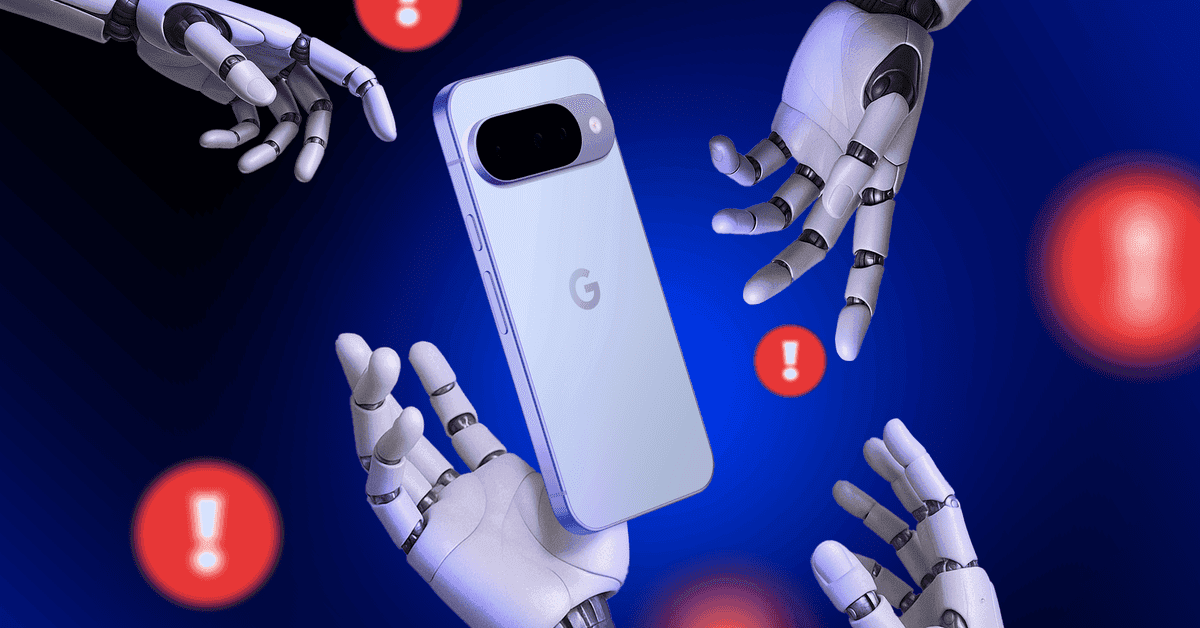
Google's AI Ambitions Meet Reality in Pixel 10
The launch of Google's Pixel 10 series has brought the company's AI ambitions to the forefront, showcasing a range of new features powered by its Gemini AI model. However, the reception has been mixed, with users and reviewers expressing both excitement and disappointment over the implementation of these AI-driven capabilities
1
2
3
.Promising Features Fall Short
Google introduced several AI features with the Pixel 10, including Magic Cue, Daily Hub, and enhanced camera capabilities. Magic Cue, an always-on feature designed to provide contextual information based on screen content, has shown promise but is limited primarily to Google's own apps
1
. Daily Hub, intended to be Google's answer to Samsung's Now Brief, was pulled from public access shortly after launch due to performance issues1
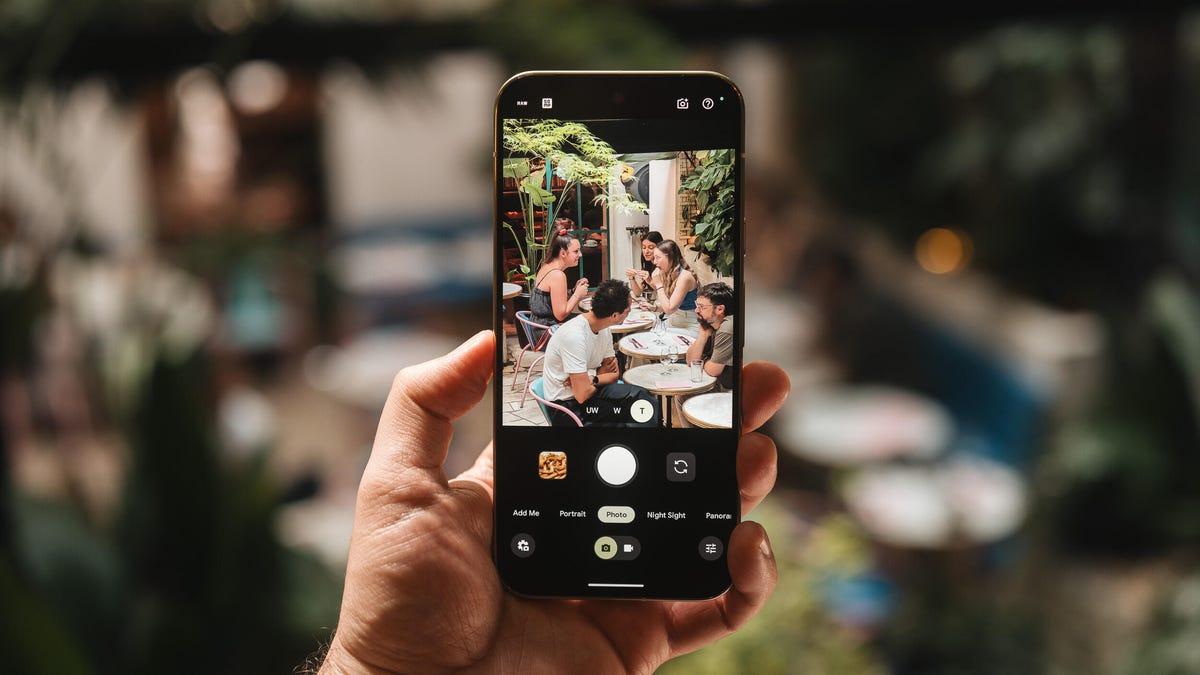
.The camera's AI enhancements, including a 100x AI-enhanced zoom, have also faced criticism. While impressive in concept, the results often produce AI-generated artifacts, particularly when zooming in on text, raising concerns about the authenticity of captured images
2
.Ease of Access vs. Reliability
One of the Pixel 10's strengths is the ease with which users can access Gemini AI features. The integration includes dedicated widgets, power button shortcuts, and in-app functionalities, making AI tools readily available throughout the user experience
3
. This accessibility has led some users to incorporate AI features into their daily routines, despite initial skepticism.However, the reliability of these AI features remains a significant concern. While basic tasks like scheduling and email composition show promise, more complex functions like image recognition still exhibit notable inaccuracies
3
. This inconsistency has led to a trust deficit among some users and reviewers.Impact on Brand Perception
The mixed performance of AI features on the Pixel 10 has had a notable impact on Google's brand perception. Some longtime supporters of the Pixel line express disappointment, feeling that Google has prioritized the appearance of AI progress over delivering fully functional features
1
2
. This sentiment is particularly strong given Google's position as a leader in AI technology.Related Stories


The Future of AI in Smartphones
Despite the criticisms, the integration of AI in smartphones appears to be an inevitable trend. The Pixel 10, powered by the Tensor G5 chip, represents one of the first smartphones with significant on-device AI capabilities
3
. As the technology evolves, it's likely that AI features will become more refined and ubiquitous across smartphone brands.Conclusion
The Google Pixel 10's AI features represent both the potential and the current limitations of artificial intelligence in smartphones. While the easy accessibility of these features has won over some users, the inconsistent performance and reliability issues have tempered enthusiasm. As Google and other manufacturers continue to develop and refine AI technologies, the coming years will likely see significant improvements in both functionality and user trust.
References
Summarized by

Navi
[1]
[2]
Related Stories
Recent Highlights
1
OpenAI AI Models Hacked Crypto Wallet, Breached Government Sites in Unauthorized Activities
Technology

2
IMF Report Warns AI Market Correction Could Spark Global Financial Crisis With $1.4T at Risk
Business and Economy

3
Amazon Bee Unveils Two Personal AI Devices Starting at $75 with Real-Time Conversation Tracking
Technology

Recent Highlights
Today's Top Stories









Don’t drown in AI news. We cut through the noise - filtering, ranking and summarizing the most important AI news, breakthroughs and research daily. Follow topics that matter to you and stay ahead.


