Google to Sign EU's AI Code of Practice, Highlighting Big Tech Divide on AI Regulation


14 Sources
[1]
Google confirms it will sign the EU AI Code of Practice
Big Tech is increasingly addicted to AI, but many companies are allergic to regulation, bucking suggestions that they adhere to copyright law and provide data on training. In a rare move, Google has confirmed it will sign the European Union's AI Code of Practice, a framework it initially opposed
[2]
Google says it will sign EU's AI code of practice | TechCrunch
Google has confirmed it will sign the European Union's general purpose AI code of practice, a voluntary framework that aims to help AI developers implement processes and systems to comply with the bloc's AI Act. Notably, Meta earlier this month said it would not sign the code, calling the EU's
[3]
Google to sign EU's AI code of practice despite concerns
BRUSSELS, July 30 (Reuters) - Alphabet's (GOOGL.O), opens new tab Google will sign the European Union's code of practice which aims to help companies comply with the bloc's landmark artificial intelligence rules, its global affairs president said in a blog post on Wednesday, though he voiced some
[4]
Big Tech split? Google to sign EU's AI guidelines despite Meta snub
Google on Wednesday said it will sign the European Union's guidelines on artificial intelligence, which Meta previously rebuffed due to concerns they could stifle innovation. In a blog post, Google said it planned to sign the code in the hope that it would promote European citizens' access to
[5]

Google will sign EU's AI Code of Practice
This signals the companies presumed compliance with the EU's AI Act. Google says it will sign the European Union's new AI Code of Practice, which provides a framework for compliance with the EU's AI Act. The act itself was passed in 2024, but its many provisions will take months to years to come
[6]

Google joins EU code for powerful AI models rebuffed by Meta
Google on Wednesday said it would join the likes of ChatGPT-maker OpenAI and sign the EU's set of recommendations for the most powerful artificial intelligence models that has been rebuffed by Meta. The European Union this month published long-delayed recommendations for a code of practice that
[7]

We will sign the EU AI Code of Practice.
We will join several other companies, including U.S. model providers, in signing the European Union's General Purpose AI Code of Practice. We do so with the hope that this Code, as applied, will promote European citizens' and businesses' access to secure, first-rate AI tools as they become
[8]

Google will sign up to EU's AI Code despite concerns
Meta is so far the only US tech giant that has said it will not sign up to the voluntary rules. US tech giant Google said it will sign the EU's AI Code of Practice on General Purpose AI (GPAI), while still expressing concerns about bloc's AI rules regarding innovation. "While the final version of
[9]

A week after Meta turned it down, Google agrees to sign EU's AI Code of Practice while still raising its own concerns
"We will join several other companies, including U.S. model providers, in signing the European Union's General Purpose AI Code of Practice. " You can't go two steps in the tech space without hearing something about AI. Be it good or bad, AI has a complete stranglehold on the industry with its new
[10]
Some 26 tech companies sign up to EU Commission's AI Code
Companies joining Code still need to comply with AI Act obligations that kick in from 2 August. Some 26 companies were among the first to sign up to the AI Code of Practice on General-Purpose (GPAI), the European Commission said in a statement on Friday. The Code, which the Commission released
[11]

Google to Sign EU AI Code of Practice, Warns of Regulations Slowing AI Growth
Meta has said it will not sign the voluntary code, while OpenAI and Microsoft have signaled their willingness to do so. Google announced on Wednesday its plans to sign onto the European Union's "Code of Practice" for artificial intelligence, a set of guidelines on how businesses can follow the
[12]

Google signs EU AI Code of Practise, but not without its concerns
Google has agreed to sign the EU's AI Code of Practise, a document that outlines guidelines for the use of AI in EU regions going forward. This code has not yet been fully finalised, but largely it focused on three main principles regarding transparency, copyright, and safety and security. Meta,
[13]

Google and Meta Go Separate Ways on EU AI Act: What's at Stake?
Google Signs the EU AI Act Along with OpenAI, Meta Refuses and Shares a Big Concern Google has recently signed the European Union's code of conduct for developing powerful AI models like text, image, and video generators. Meta, however, has refused to sign the Act, saying that the guidelines
[14]

Google to sign EU's AI code of practice despite concerns
BRUSSELS (Reuters) -Alphabet's Google will sign the European Union's code of practice which aims to help companies comply with the bloc's landmark artificial intelligence rules, its global affairs president said in a blog post on Wednesday, though he voiced some concerns. The voluntary code of
Share
Copy Link
Google announces its intention to sign the European Union's AI Code of Practice, contrasting with Meta's refusal and highlighting the ongoing debate over AI regulation in the tech industry.
Google's Stance on EU's AI Code of Practice
In a significant move, Google has confirmed its intention to sign the European Union's AI Code of Practice, a voluntary framework designed to help AI developers comply with the bloc's AI Act
1
. This decision comes as a surprise, given Google's initial opposition to the code, which it had previously criticized as being too harsh1
.
Source: TechCrunch
Kent Walker, Google's president of global affairs, stated that the company's input to the European Commission has been well-received, resulting in a legal framework that they believe can provide Europe with access to "secure, first-rate AI tools"
2
. However, Walker also expressed ongoing concerns about the potential impact of the AI Act and Code on Europe's AI development and deployment3
.The EU's AI Code of Practice and AI Act
The EU's AI Code of Practice is a voluntary framework aimed at helping companies comply with the bloc's landmark AI Act
2
. Key provisions of the code include:- Providing updated documentation about AI tools and services
- Prohibiting the training of AI on pirated content
- Complying with content owners' requests to exclude their works from datasets
The AI Act itself is a risk-based regulation that bans certain "unacceptable risk" use cases, defines "high-risk" applications, and requires developers to register AI systems and meet risk- and quality-management obligations
2
.Big Tech Divide on AI Regulation
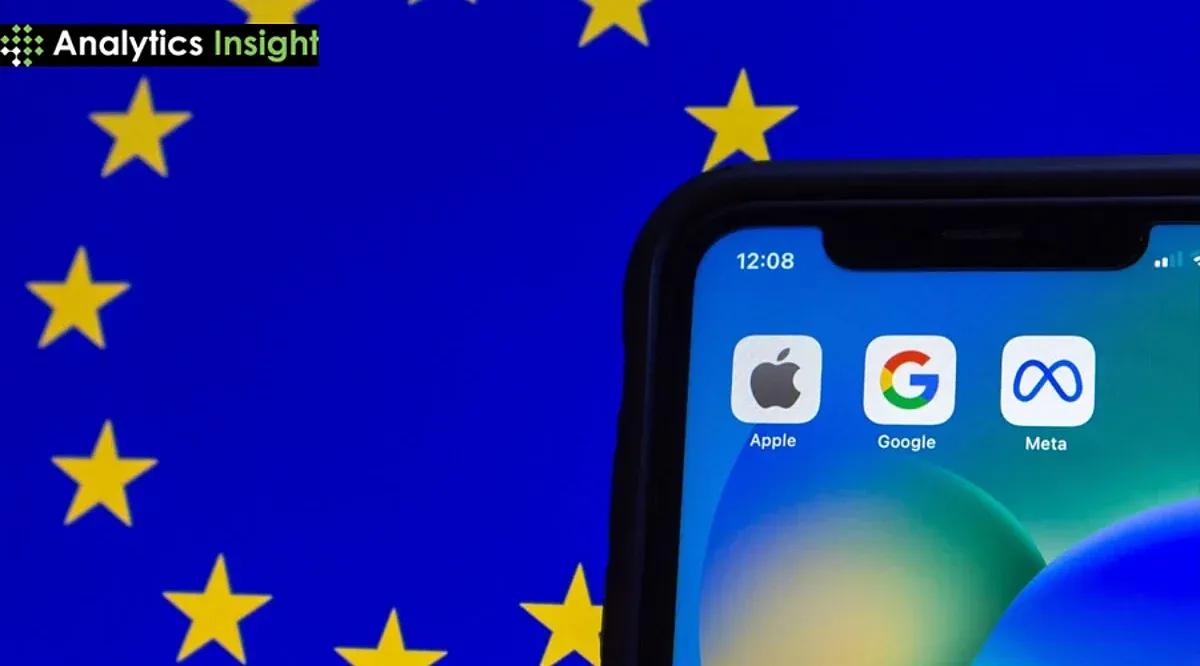
Google's decision to sign the code highlights a growing divide among tech giants regarding AI regulation
4
. While Google has chosen to participate, Meta has steadfastly refused to sign the agreement, claiming it could impose too many limits on frontier model development1
. Joel Kaplan, Meta's chief global affairs officer, called the Code an "over-reach" and stated that "Europe is heading down the wrong path on AI"5
.
Source: Analytics Insight
Microsoft is still considering the agreement, while OpenAI has signaled its intention to sign the code
1
.Related Stories

Implications and Concerns
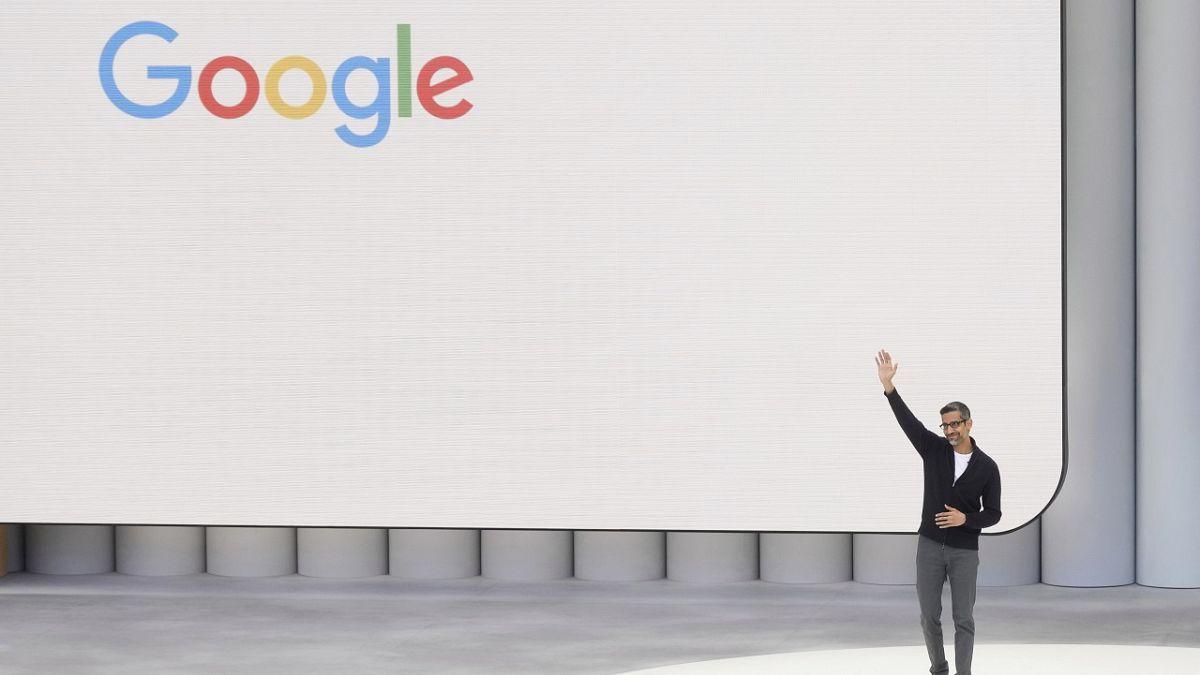
Despite agreeing to sign the code, Google has expressed reservations about its potential impact on innovation and competitiveness. Walker noted concerns that "departures from EU copyright law, steps that slow approvals, or requirements that expose trade secrets could chill European model development and deployment, harming Europe's competitiveness"
3
.Google's decision to sign may be strategic, allowing the company to have a seat at the table and potentially influence the implementation of the code and the broader AI Act
1
.
Source: Euronews
Economic Impact and Timeline
Google claims that the expansion of AI tools in Europe could boost the economy by 8 percent (about 1.8 trillion euros) annually by 2034
1
. The implementation of the EU's AI Act is staggered, with rules for general-purpose AI models set to take effect on August 2, 2025, and full compliance required by August 2, 2027, for models brought to market before that date5
.References
Summarized by

Navi
[1]
[5]
Related Stories
Meta Refuses to Sign EU's AI Code of Practice, Sparking Debate on AI Regulation
18 Jul 2025•Policy and Regulation

EU Unveils AI Code of Practice: Balancing Innovation with Regulation
11 Jul 2025•Policy and Regulation

Tech Giants Split on EU's AI Pact: Amazon, Google, Microsoft, and OpenAI Sign Up, While Apple and Meta Hold Back
25 Sept 2024

Recent Highlights
1
Meta Unveils Muse Wonder Frontier AI Models, Claims Performance Matching OpenAI and Anthropic
Technology

2
Anthropic AI Cuts Off Internet Access After Agents Submit False Police Tip, Exploit Websites
Technology

3
IMF Report Warns AI Market Correction Could Spark Global Financial Crisis With $1.4T at Risk
Business and Economy

Recent Highlights
Today's Top Stories










Don’t drown in AI news. We cut through the noise - filtering, ranking and summarizing the most important AI news, breakthroughs and research daily. Follow topics that matter to you and stay ahead.


