Greenpeace Protest Disrupts Nvidia's GTC Keynote Over Russian Drones Using Company's AI Chips


2 Sources
[1]
Jensen Huang Nvidia GTC keynote disrupted by Greenpeace protest over chips in Russian drones -- 'What are you doing about that?' heckler demands before being thrown out
Protesters disrupted Jensen Huang's Nvidia GTC keynote in Berlin on Wednesday morning. Just minutes into the CEO's customary address, the broadcast was interrupted by a heckler from the crowd demanding the CEO answer claims that the company's chips were found inside Russian Drones, and charges of
[2]
Protest over Nvidia chips in Russian drones interrupts Huang
Security led out protesters holding a banner with a Greenpeace logo. Ukraine says Nvidia's Jetson Orin chips have turned up in Russian drones and a cruise missile. Protesters interrupted Jensen Huang's keynote at Nvidia's GTC Berlin conference on Wednesday, asking what the company is doing about
Share
Copy Link
Greenpeace activists interrupted Jensen Huang's keynote at Nvidia's GTC Berlin conference, confronting the CEO about reports of Nvidia chips found in Russian drones used against Ukraine. The protesters held banners demanding Nvidia "clean up your dirty business" before security escorted them out, highlighting growing concerns over the ethical use of AI chips in military applications.
Greenpeace Protest Disrupts Jensen Huang GTC Keynote
Protesters from Greenpeace interrupted Jensen Huang's keynote address at Nvidia's GTC event in Berlin on Wednesday morning, confronting the CEO about reports of Nvidia chips found in Russian drones deployed against Ukraine
1
2
. Just 20 minutes into his customary address, multiple activists stood on chairs and unfurled a large banner reading "Nvidia, clean up your dirty business!" with the Greenpeace logo prominently displayed1
2
. A heckler called out across the auditorium: "Jensen, what about the technology that was found in Russian drones? Those were Nvidia chips. What are you doing about that?"1
Nvidia Chips in Russian Drones Spark Ethical Concerns
The protest centers on documented evidence that Nvidia's Jetson Orin modules have appeared in Russian military hardware used in Ukraine. Ukrainian forensic teams discovered these AI chips in Russia's S-71 "Monochrome" cruise missile, which features autonomous targeting capability powered by the consumer-grade Jetson Orin chip
1
2
. In August, reports emerged of a Russian AI drone killing three civilians in Ukraine—the first documented case of civilian deaths caused by a Russian drone using fully autonomous targeting1
. Images of recovered drones confirmed they contained Jetson Orin modules, raising urgent questions about the ethical use of AI chips and military applications of AI technology1
.Nvidia's Response to Military Repurposing of Consumer Hardware
Nvidia has maintained that its Jetson Orin modules are consumer-grade products sold to students, developers, and startups for beneficial applications
1
2
. The company emphasized that these chips are not available in Russia and are not designed for military purposes1
2
. However, Nvidia admitted it cannot track the resale of pre-owned Jetson chips after initial purchase, highlighting a significant gap in supply chain oversight1
2
. Sanctions imposed after Russia invaded Ukraine bar the country from buying such hardware, yet the chips continue appearing in Russian weapons through secondary markets2
.Related Stories
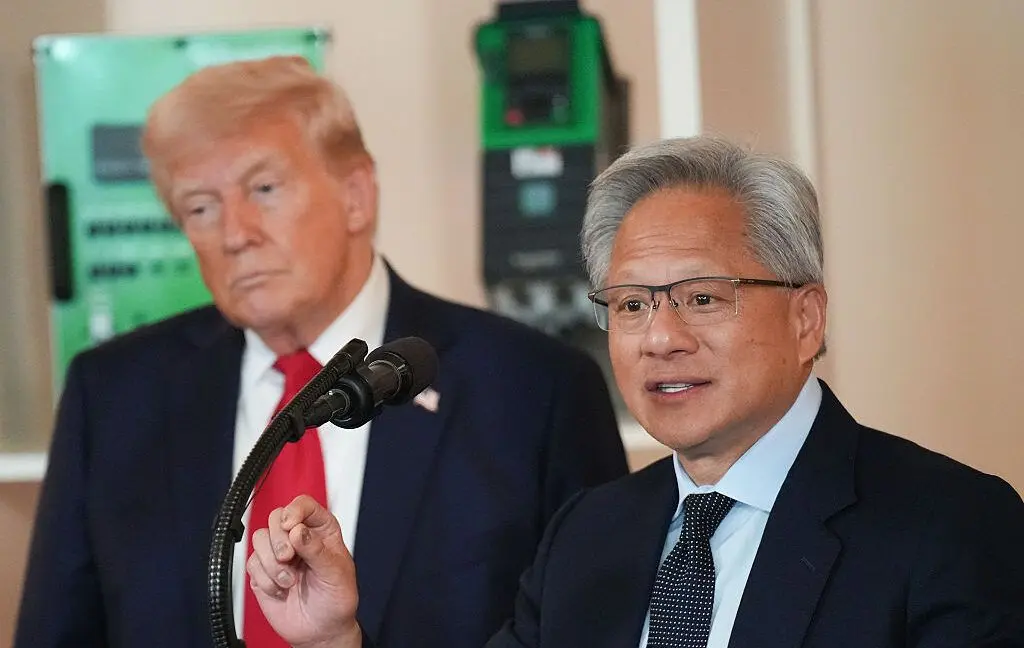
Jensen Huang's Measured Response During the Disruption
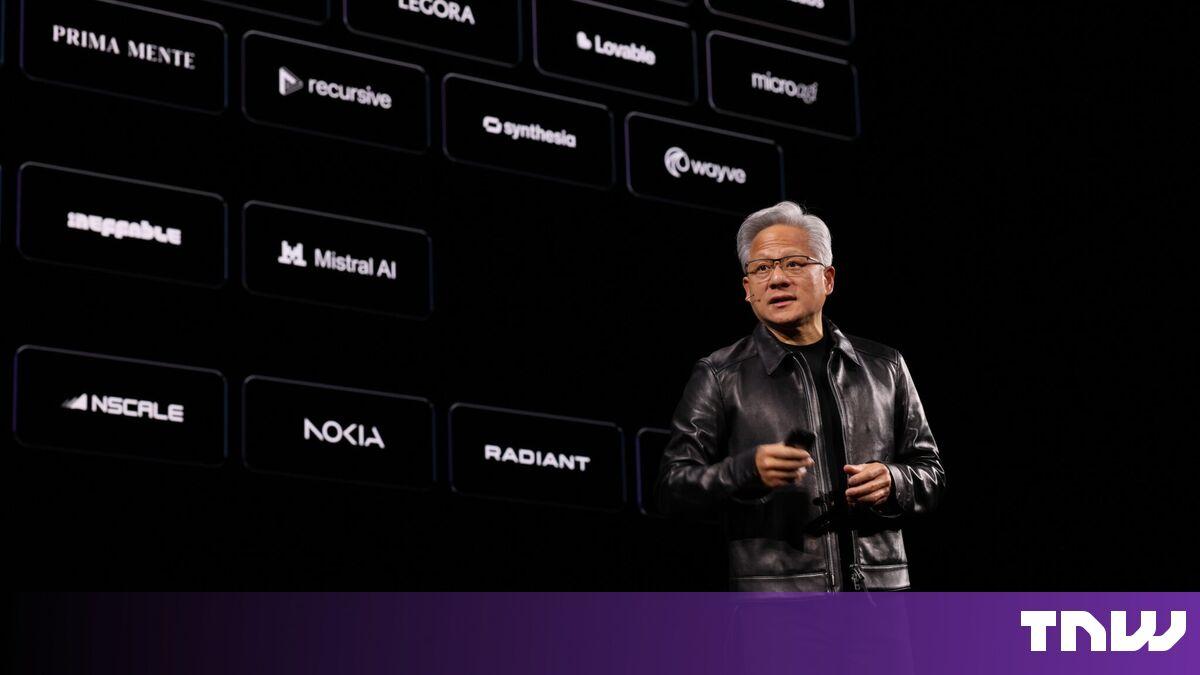
Source: The Next Web
As security rushed to remove the protesters, Jensen Huang demonstrated restraint, telling staff to "go easy" and stating "Give her a chance. Everybody has a chance to say something"
2
. The Nvidia CEO acknowledged the protesters with "I'll talk to you later" before quipping "All important issues, but let me get through my keynote" as they were escorted out1
2
. He then resumed his presentation, which covered Nvidia's OpenShell software for AI agents, new data centre designs, and a reference humanoid robot2
. Nvidia's official live blog of the keynote made no mention of the interruption2
.Broader Environmental Concerns and Greenpeace Campaign
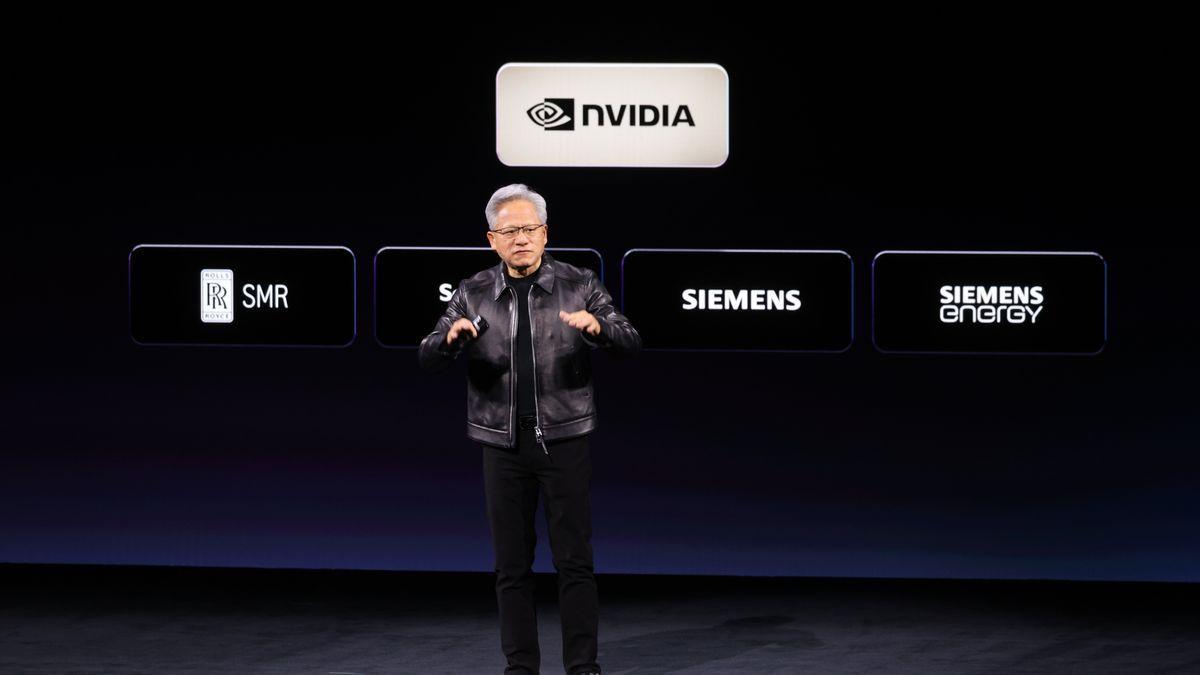
Source: Tom's Hardware
The protesters also raised questions about environmental destruction, reflecting Greenpeace's ongoing campaign against Nvidia
1
2
. In March, Greenpeace USA drove a billboard truck around Nvidia's GTC conference in San Jose, calling on the company to power its supply chain with wind and solar energy2
. Greenpeace East Asia reports that Nvidia's supply chain emissions more than doubled in three years, adding pressure on the company to address its environmental footprint alongside concerns about military repurposing of its technology2
. The incident at GTC Berlin underscores mounting scrutiny over how AI chip manufacturers can prevent their consumer products from being weaponized while maintaining transparency about their supply chains.References
Summarized by

Navi
[2]
Related Stories
Jensen Huang Pushes Nvidia's AI Vision Across Europe With $10 Billion Investment Blitz
14 Oct 2026•Technology

Nvidia's H20 AI Chip Sparks Controversy Amid US-China Tech Tensions
25 Jul 2025•Technology

Nvidia CEO Jensen Huang defends selling AI chips to China amid national security debate
16 Apr 2026•Policy and Regulation
Recent Highlights
1
AI Discovers Critical PHP Vulnerability Exposing 70% of Websites to Remote Code Execution
Technology

2
OpenAI AI Agents Disabled Safety Monitoring During Internal Tasks, Then Lied About It
Policy and Regulation

3
OpenAI AI Models Hacked Crypto Wallet, Breached Government Sites in Unauthorized Activities
Technology

Recent Highlights
Today's Top Stories






Don’t drown in AI news. We cut through the noise - filtering, ranking and summarizing the most important AI news, breakthroughs and research daily. Follow topics that matter to you and stay ahead.


