Grok Bot Becomes AI Model Router, Taps Claude Opus 5.5 as SpaceX Shifts to Infrastructure Play


3 Sources
[1]
Grok Bot Is Now a Model Router as SpaceX Continues to Pivot Further Toward AI Infrastructure
Just a couple of weeks after SpaceX released its Grok 4.7 model and claimed that it was competitive with frontier models in coding and knowledge work, the company is now letting those models do Grok's work. CEO Elon Musk announced via Twitter that the Grok Bot agent service will now select from a
[2]
Grok Bot will use Claude Opus 5.5, Midjourney and Suno, says Musk
Grok Bot will route tasks to whichever model works best, including those of its rivals. Musk gave no detail on which jobs go where, a day after Grok users reported access problems. Elon Musk's Grok Bot will no longer run only on SpaceX's own AI models. It will also use models from rivals,
[3]
Grok Bot just got a lot smarter thanks to Anthropic's Claude
SpaceXAI's Grok Bot kicked off the consumer-friendly AI agent app wave this summer. Facing competition from Meta's Muse and OpenAI's ChatGPT Dot, Grok Bot just got a new capability upgrade with the help of Anthropic's Claude. Grok Bot now uses Claude Opus 5.5 for intelligence Grok Bot launched in
Share
Copy Link
Elon Musk announced that Grok Bot will now route tasks to the best-suited AI model, including Anthropic's Claude Opus 5.5, Midjourney, and Suno. The move signals SpaceX's pivot from frontier model development to positioning itself as an AI infrastructure provider, leveraging its massive Colossus data center.
Grok Bot Adopts Multi-Model Routing Strategy
Elon Musk announced that Grok Bot, the AI agent from SpaceXAI, will no longer rely exclusively on SpaceX's own models
1
2
. Instead, the consumer-friendly AI agent app will route tasks to whichever backend model delivers optimal results for each specific request. Available models include Anthropic's Claude Opus 5.5, AI image generator Midjourney, AI audio maker Suno, and presumably SpaceX's own Grok 4.71
. Musk explained the logic behind this AI model router approach: "Simple questions will route to small, fast models. Questions with complex answers will route to large models"1
. The announcement came just weeks after SpaceX released Grok 4.7 and claimed it competed with frontier models in coding and knowledge work.
Source: The Next Web
Backend Upgrade Powers Intelligence Boost
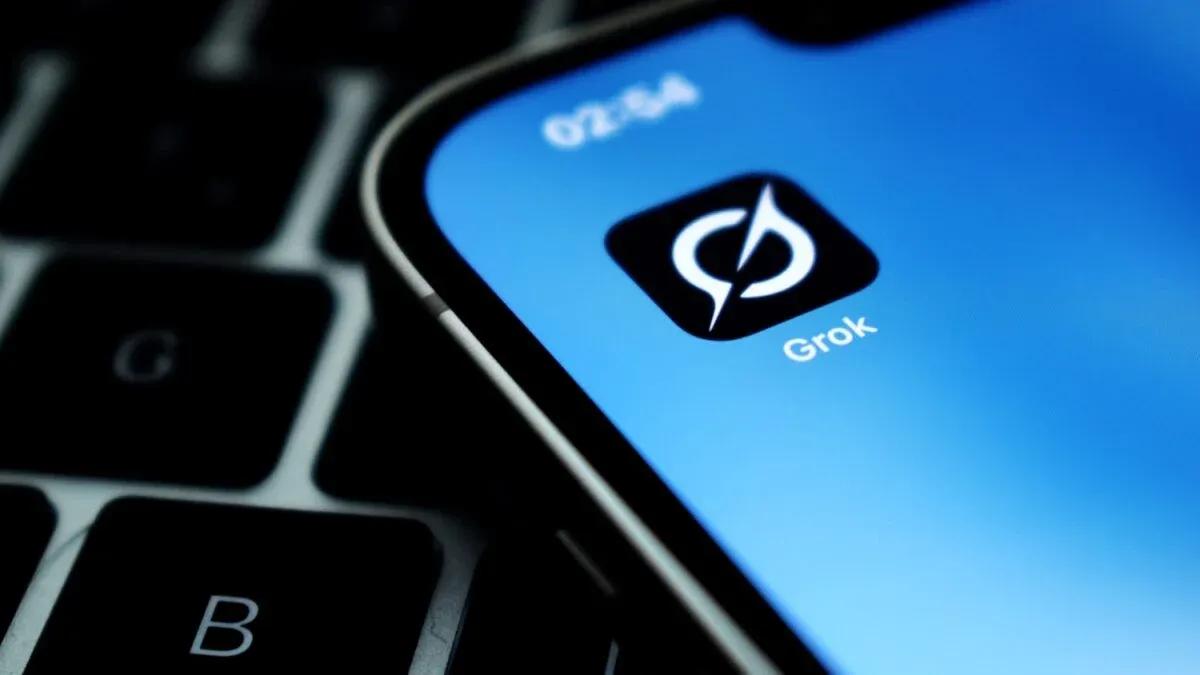
The Grok Bot upgrade represents a significant capability enhancement for users of the iPhone and iPad apps that launched in August
3
. By incorporating Claude Opus 5.5, one of Anthropic's most capable models, Grok Bot gains access to intelligence that surpasses SpaceXAI's less capable proprietary models3
. This backend upgrade addresses reported access problems that users experienced just days before the announcement2
. The timing coincides with SpaceX's broader infrastructure investments and its evolving relationship with Anthropic, a company Musk once called "evil" but now partners with extensively1
.
Source: Gizmodo
SpaceX Pivots Toward AI Infrastructure Provider Role
The model routing strategy signals SpaceX's shift from pursuing frontier model domination to positioning itself as an AI infrastructure provider
1
. Earlier this year, SpaceX entered an agreement with Anthropic to let the company use SpaceX's massive Colossus data center to train and run Claude models1
. Musk confirmed on Twitter that Reflection AI's open-source Beam model was also trained on Colossus servers1
. This pivot makes business sense given the substantial capital SpaceX has already invested in building AI infrastructure. Renting server space offers a cleaner monetization path than developing and commercializing proprietary models, especially when Grok's reputation has been mixed1
.Related Stories

Competitive Landscape Intensifies in Agent Market
Grok Bot faces mounting competition in the crowded AI agent market. Meta's Muse reportedly passed 3 million weekly users and recently became available for iPad
2
3
. OpenAI is building out ChatGPT Dot, an Astra-powered proactive agent3
. SpaceXAI has responded by continuously adding features to Grok Bot, including shared team Bots that colleagues can use within the app or in Slack, according to its product changelog2
. Privacy concerns have prompted some early users to delete personal AI agents, though at least one told Business Insider he continues using Grok Bot without connecting it to email2
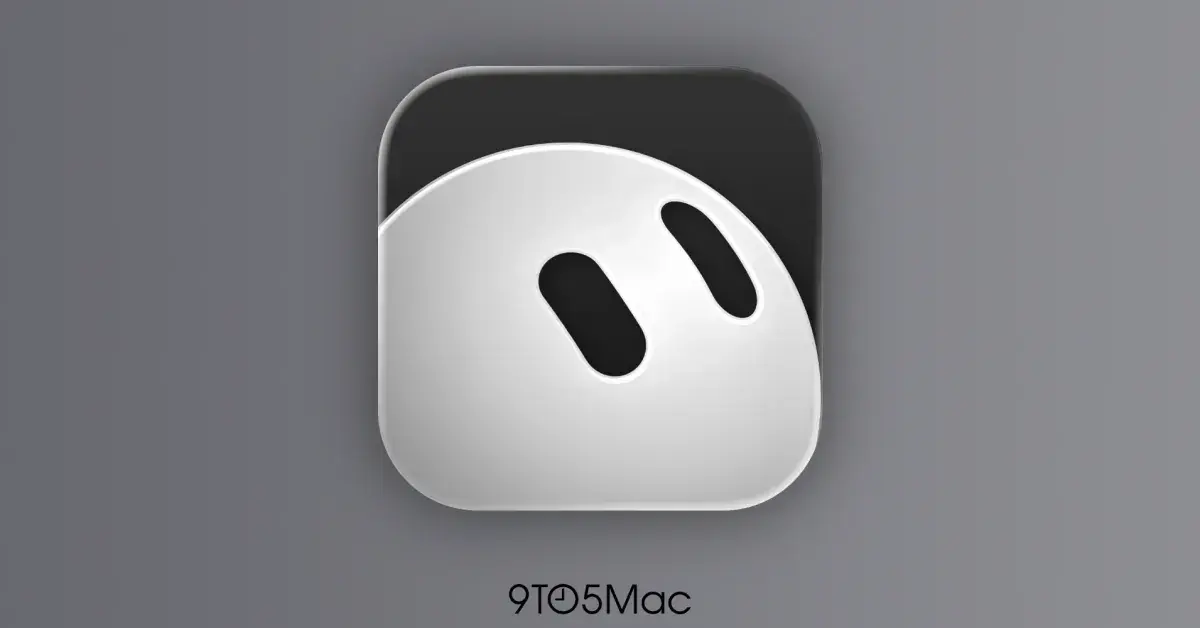
.
Source: 9to5Mac
Strategic Rebrand and Future Direction
Musk is reportedly changing SpaceXAI's name to SpaceXSI to reflect the company's pursuit of "super intelligence"
1
2
. Despite the multi-model routing approach, there's no indication SpaceX will abandon its own model development—Musk predicted just weeks ago that Grok version 5 would bypass all competitors1
. Watch for how SpaceX balances its dual strategy of developing proprietary models while simultaneously building infrastructure that supports rivals. The company's ability to monetize Colossus data center capacity while maintaining competitive model development will determine whether this infrastructure pivot succeeds long-term.References
Summarized by

Navi
[1]
Related Stories
Grok 4.6 Leaps to AI Frontier, Matches OpenAI at $2 Per Million Tokens
12 Aug 2026•Technology
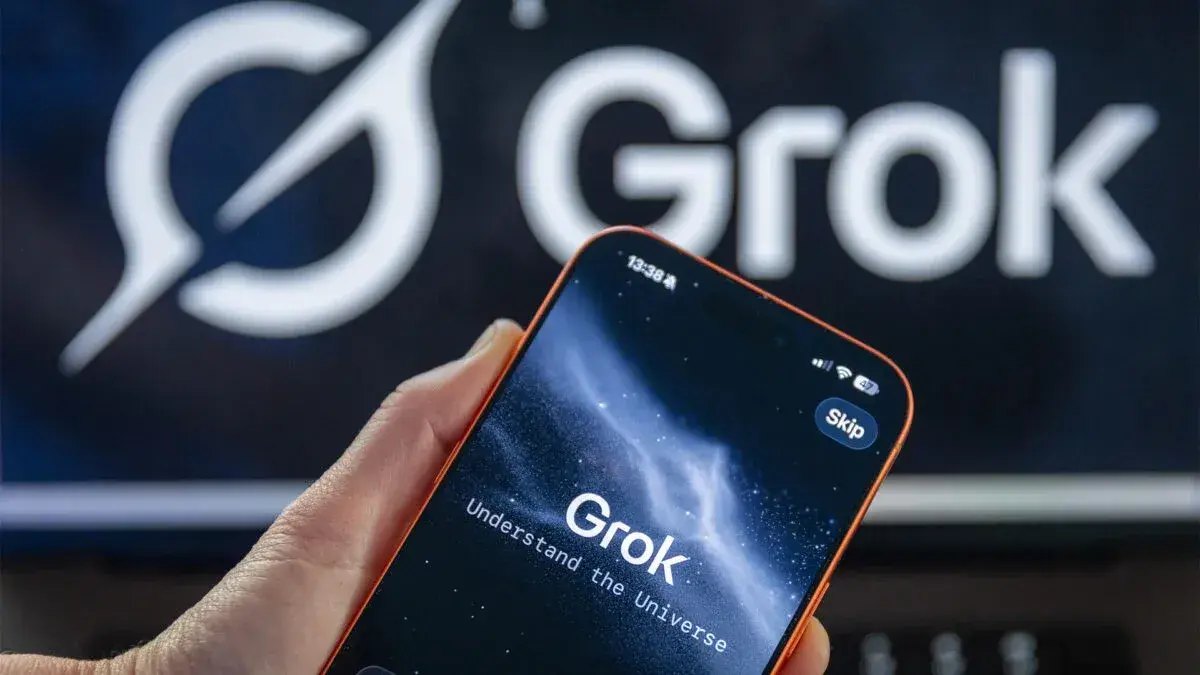
Grok 4.7 Launches With Coding Gains But High Token Use Threatens Cost Efficiency For Engineering Teams
21 Sept 2026•Technology

Elon Musk announces Grok 4.5 private beta, claims performance rivals Anthropic's Opus model
28 Jun 2026•Technology

Recent Highlights
1
Microsoft and Nvidia Launch Surface Laptop Ultra: A $2,599 AI-Ready PC With RTX Spark Chip
Technology

2
OpenAI Releases 722 AI-Generated Math Papers on GitHub, Igniting Fury Among Mathematicians
Science and Research

3
Trump Consulted Grok AI Before Ordering Venezuela Invasion and Capture of Nicolás Maduro
Policy and Regulation

Recent Highlights
Today's Top Stories











Don’t drown in AI news. We cut through the noise - filtering, ranking and summarizing the most important AI news, breakthroughs and research daily. Follow topics that matter to you and stay ahead.


