Groq's Next-Gen LPU Adopts 3D Stacked DRAM to Support Expanding AI Models


2 Sources
[1]
NVIDIA-Acquired Groq Is Moving Its Next-Gen LPUs From SRAM To 3D Stacked DRAM, Betting On Capacity Over Speed As Models Keep Growing
NVIDIA-acquired firm Groq is reportedly planning to produce next-gen memory chips using 3D stacked DRAM technology. Groq Aims To Roll Out 3D Stacked DRAM Memory Technology In Next-Gen Chips, Pushing Capacity Over Speed Earlier this year, NVIDIA announced Groq LPX racks, which are part of the Vera
[2]
Groq's next LPU will use 3D stacked DRAM: bigger AI models ahead
Groq is getting its next LPU ready, and the big architectural change comes down to memory. The company is moving from SRAM to 3D-stacked DRAM so it can fit larger AI models. Groq also hasn't been acquired. In late 2025, it signed a non-exclusive licensing deal with NVIDIA, reportedly worth about
Share
Copy Link
Groq is shifting its next-generation Language Processing Unit architecture from SRAM to 3D stacked DRAM technology. This strategic move prioritizes memory capacity over raw bandwidth speed, positioning the hardware to handle increasingly large AI models as the industry scales up model sizes.
Groq LPU Transitions to 3D Stacked DRAM Architecture
Groq is preparing its next-generation Language Processing Unit with a fundamental architectural shift from SRAM to 3D stacked DRAM technology. This change marks a strategic pivot toward memory capacity over bandwidth speed as AI models continue expanding in size. A semiconductor industry insider confirmed the move, stating that Groq plans to introduce 3D packaging to its next-generation chips, involving stacking DRAM rather than existing SRAM
1
. The decision reflects the industry's growing need to accommodate larger AI models that demand more memory capacity for high-performance inference.
Source: Wccftech
Current Groq LPU Specifications and Performance
The current generation Groq LPU packs 500 MB of SRAM, achieving bandwidth rates of 150 TB/s per chip. Each individual Groq LPU delivers 1.20 PFLOPs FP8 compute performance
1
. When configured in LPX racks with 256 chips, the system delivers approximately 128 GB of SRAM capacity and 640 TB/s of scale-up bandwidth2
. These LPX racks are part of NVIDIA's Vera Rubin ecosystem and entered full production in August, reportedly delivering around 3,400 tokens per second when paired with NVL72 servers2
. The racks now operate alongside GroqCloud and Groq's role as an NVIDIA Cloud Partner.Memory Capacity Over Bandwidth Trade-Off
The shift from SRAM to 3D stacked DRAM represents a calculated trade-off between speed and capacity. SRAM delivers blistering-fast bandwidth but offers limited capacity, whereas DRAM provides relatively slower speeds but enables implementation of much larger capacities
1
. For anyone watching AI hardware scaling closely, this trade-off is direct: less of the extreme bandwidth Groq's current design is known for, but significantly more memory capacity from DRAM2
. As growing model sizes push hardware requirements higher, Groq's main focus appears to be memory capacity while retaining some aspects of the high bandwidth speeds from its SRAM-only chips1
.Related Stories

3D Stacking Technology and HBM Similarity
With 3D stacked DRAM technology, Groq will stack multiple DRAM layers in a single vertical chip, connected using TSVs (Through-Silicon-Vias). This approach mirrors how HBM DRAM is designed today
1
. The most likely implementation involves TSV-connected, HBM-style stacked DRAM, which should raise density and improve power efficiency2
. The 3D stacking enables reduced surface area and increased power efficiency compared to traditional DRAM packages1
. There are hints that Groq may keep its DRAM and SRAM chips separate from one another, offering the industry solutions tailored to specific needs1
.NVIDIA Partnership and Market Position
Clarifying a common misconception, NVIDIA did not acquire Groq. In late 2025, the companies signed a non-exclusive licensing deal reportedly worth about $20 billion, with Groq remaining independent
2
. NVIDIA hired several key Groq personnel, including founder Jonathan Ross, while Groq continued operating independently. The latest Groq chips might see increased adoption from NVIDIA, which has been using them to boost AI factories and AI platforms1
. Watch for next developments through Groq's data center and cloud platforms as model sizes keep climbing, particularly in inference workloads where the balance between capacity and speed becomes critical for serving large-scale AI models efficiently.References
Summarized by

Navi
Related Stories
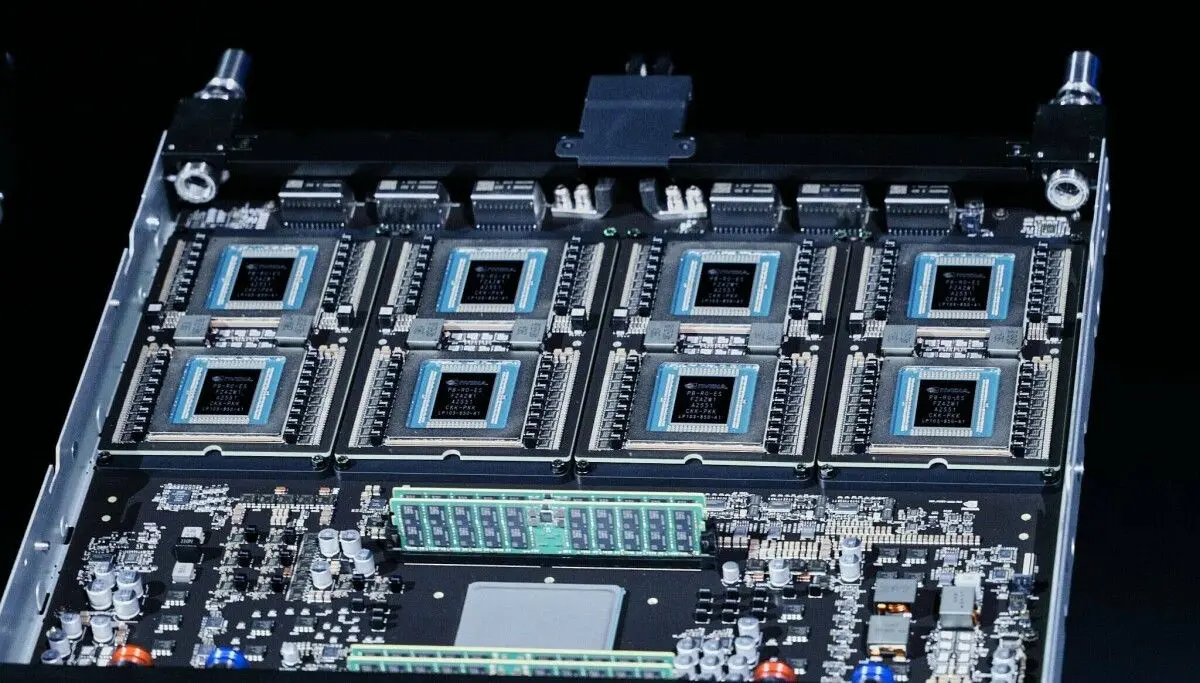
NVIDIA's Groq 3 LPX Achieves 3,400 Tokens/Second, 4x Faster Than Competitors in Agentic AI Push
24 Aug 2026•Technology
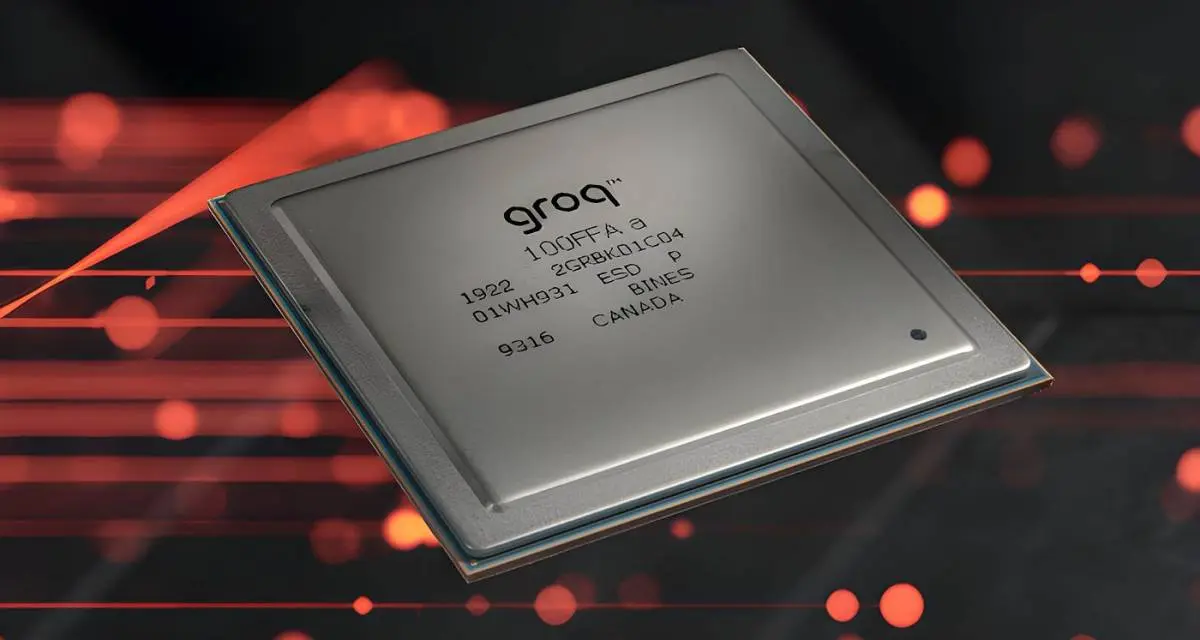
Nvidia drops $20 billion on AI chip startup Groq in largest acquisition ever
24 Dec 2025•Business and Economy
Qualcomm unveils High-Bandwidth Compute architecture to break AI memory wall with 6x efficiency
25 Jun 2026•Technology
Recent Highlights



Recent Highlights
Today's Top Stories






Don’t drown in AI news. We cut through the noise - filtering, ranking and summarizing the most important AI news, breakthroughs and research daily. Follow topics that matter to you and stay ahead.


