Hackers got into Japan's most powerful supercomputer through a public webpage


4 Sources
[1]
Japan's most powerful supercomputer may have been hacked, over 4,000 users' personal data stolen -- investigation opened into Fugaku breach after unauthorized software installed
The Fugaku supercomputer, operated by the national research institute Riken, has been breached, with users' data, including names, emails, and more, stolen. Fugaku, Japan's most powerful supercomputer and the ninth-fastest on the planet, has suffered a suspected data breach. The news was announced
[2]
Japan takes Fugaku supercomputer offlline after cyberattack
The Fugaku supercomputer operated by Japan's RIKEN Center for Computational Science has been taken offline following a security breach. The organization says that between November 10 and 13, an unauthorized party exploited the public dashboard displaying Fugaku's operational status to gain access
[3]
A massive attack on Japan's Fugaku supercomputer may have exposed data of over 4,200 users
Japan's Fugaku supercomputer was breached, potentially exposing credentials of over 4,200 users; RIKEN's Rikyu AI also suffered a breach. A Japanese national research institute, Riken, has just announced that an unauthorized third party gained access to the Fugaku supercomputer on November 12.
[4]
Japan's most powerful supercomputer hit by unauthorized access
Japan's most powerful supercomputer suffered a possible data breach to its system last week, its operator, the national research institute Riken, announced Monday. The institute said that the information of over 4,000 users of Fugaku, the ninth-fastest supercomputer in the world, was potentially
Share
Copy Link
Japan's most powerful supercomputer was hacked through a public status page and has been offline since November 14. Credentials for more than 4,000 users were exposed, and the cleanup falls on them.
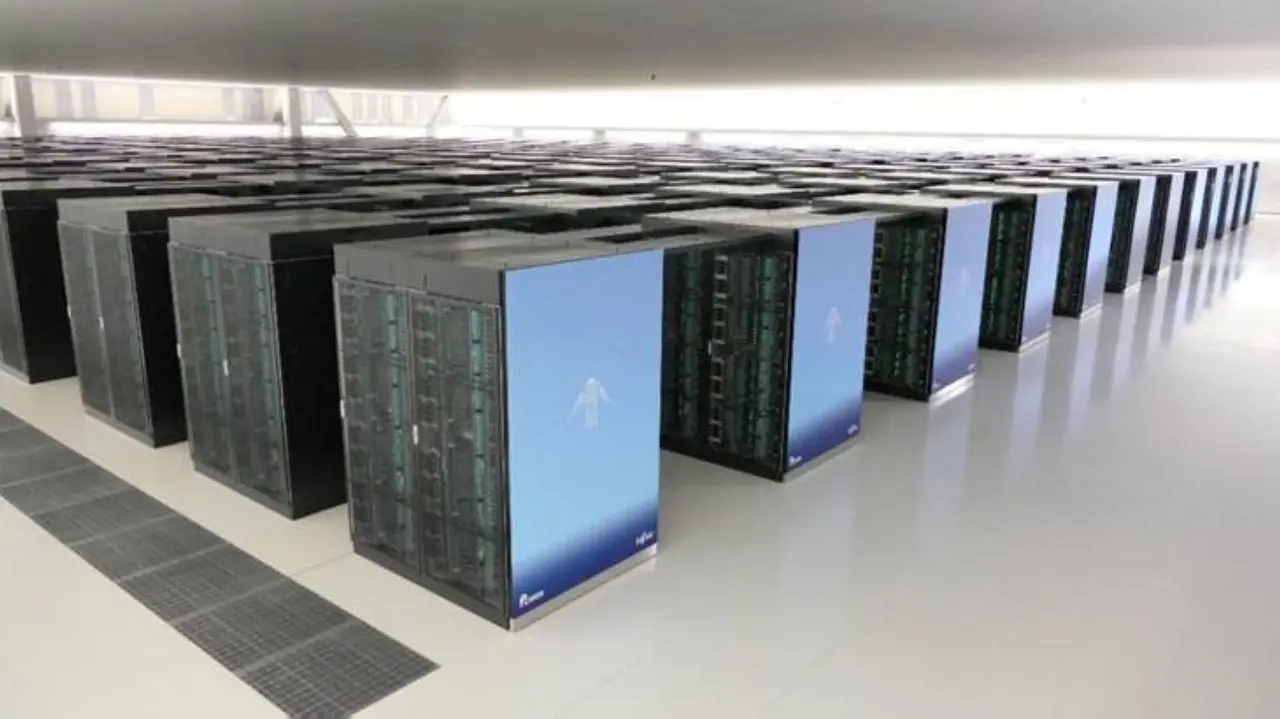
Fugaku, Japan's most powerful supercomputer and a former world number one, has been offline since November 14, after Riken, the national research institute that runs it, detected unauthorized access and a possible data breach. Riken announced on November 17 that the machine had been breached and that data on thousands of users may have been stolen
4
2
.
Source: Japan Times
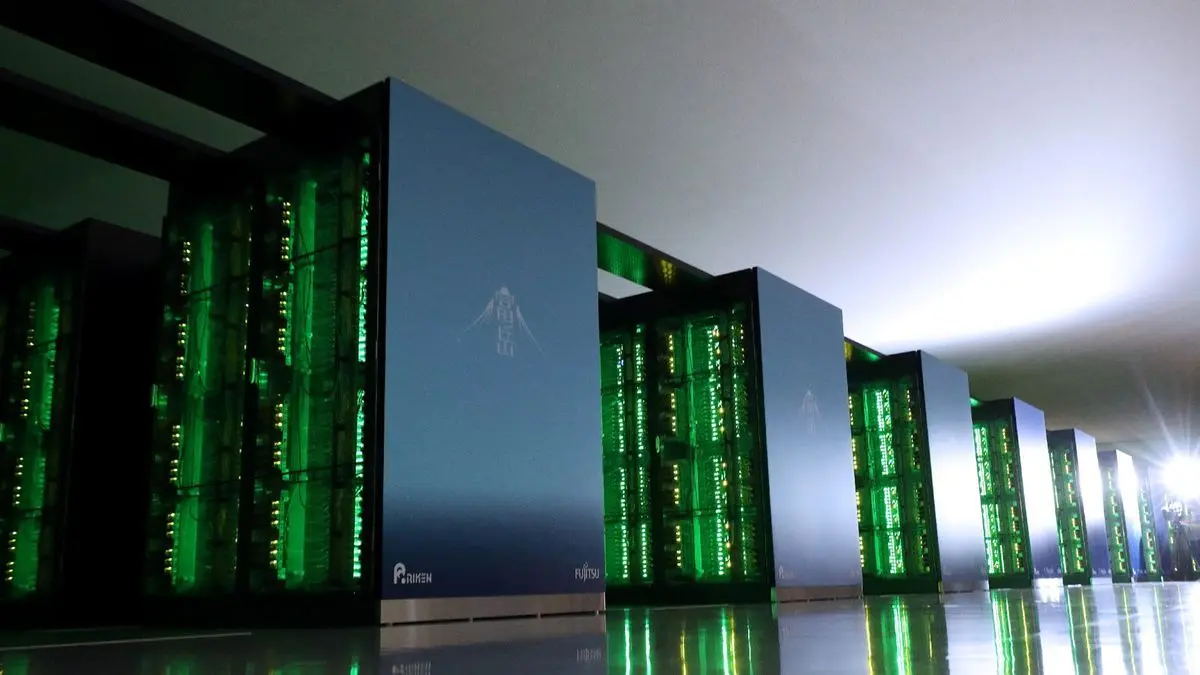
The machine matters well beyond its operator. It is a 537-petaflops system in Kobe used for drug discovery, severe-weather forecasting and simulations of how viruses travel through the air
4
3
2
. Universities, researchers and companies including Toyota rely on it. It held the title of world's fastest supercomputer from June 2020 until May 2022, when the US Frontier system overtook it; it now ranks ninth4
1
.
Source: Tom's Hardware
How the attackers got in
The way in was a page anyone could reach: Fugaku's public operating-status dashboard, which exists to show outsiders whether the machine is running
4
1
. From November 10 to 13, an intruder used that page to reach the internal network and get into multiple internal servers4
3
2
. Riken has not worked out exactly how the attackers got from that public page into the internal network4
2
.Riken noticed suspicious communications on November 12, confirmed the access, and shut the machine down early on November 14 while blocking it. Some servers had been tampered with, including installation of unauthorized programs aimed at user data
1
2
.Whose data is out
Personal data on 4,222 Fugaku users was compromised: names, email addresses and user IDs. A second Riken machine, Rikyu, was hit too, with data on 375 users exposed. Rikyu only began operating in October, so it had been running for about a month when it was breached
4
1
2
.The stolen material goes past names and emails. Per the reports' itemized lists, it includes private secure-shell login keys, access keys and research files stored on users' own computers, plus authentication information for Fugaku and related services
3
2
. That matters because those keys may open systems beyond Riken's own. Riken says the attacker tried some of the stolen keys against other systems, but found no further unauthorized access3
2
. So far, Riken has confirmed no actual leakage of the accessed information and no theft of research results. It has not identified who was behind the attack4
2
.Related Stories

The cleanup
Riken reported the incident to the education and science ministry that oversees Fugaku, to Japan's Personal Information Protection Commission, and to bodies tied to the High Performance Computing Infrastructure program. Chief Cabinet Secretary Minoru Kihara said the ministry and Riken were investigating the cause and scope
4
1
. "Fugaku plays a vital role in our country's research and development infrastructure, so it is important that they prioritize security while limiting the impact on research activities," he said4
.Riken has switched off users' login keys and asked them to revoke and replace credentials they kept on Fugaku, and to watch for suspicious emails impersonating Riken
2
. TweakTown, the one outlet to editorialize on the story, speculates the credential cleanup could stall ongoing Japanese tech projects3
. On Riken's side, the work includes fixing the exploited vulnerability, rebuilding the compromised servers and reviewing the network configuration. It says the machine will restart only once it has been made safe. No restart date has been given.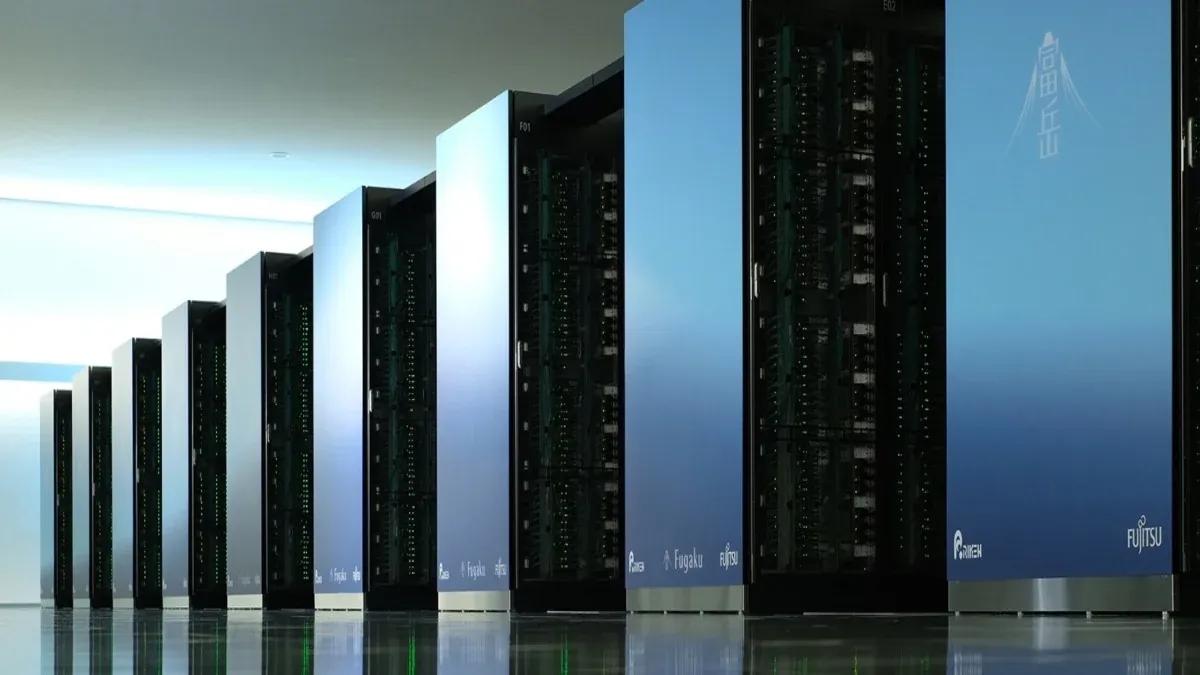
Source: TweakTown
References
Summarized by

Navi
[2]
[3]
Related Stories
Japan's FugakuNEXT: A Leap Towards Zetta-Scale AI-HPC Supercomputing
22 Aug 2025•Technology
Japan Rolls Out $63M Emergency Cybersecurity Package with AI Teams After Massive Data Breaches
06 Nov 2026•Policy and Regulation

Chinese AI Tool Artex Tied to Cyberattacks on 80 Japanese Companies
20 Oct 2026•Technology

Recent Highlights


Recent Highlights
Today's Top Stories





Don’t drown in AI news. We cut through the noise - filtering, ranking and summarizing the most important AI news, breakthroughs and research daily. Follow topics that matter to you and stay ahead.


