AI-Powered Vehicle Scanners Revolutionize Car Rental Returns, Sparking Controversy


3 Sources
[1]
AI is changing the rental car return experience - and it could cost you
Returning a rental car is already a bit of a stressful experience, but it might be getting a little more stressful soon -- you can thank AI for that. Over the past several months, people renting vehicles from Hertz noticed a new step in the return process -- a drive through a giant, glowing
[2]
Hertz Deploys AI Scanner That's Charging Hundreds of Dollars for Tiny Scratches on Rental Cars
Car rental giant Hertz is facing some blowback as customers report that its "AI-powered" vehicle scanner charges them hundreds of dollars for tiny cosmetic dings. Earlier this summer, a Hertz customer in Atlanta was charged a jaw-dropping $440 for an inch-long bit of curb rash -- a cosmetic scuff
[3]
The hire car scanner that could cost holidaymakers millions
Using AI for advanced image processing isn't particularly new: the technology is already being used in everything from guiding self-driving cars to analysing X-rays. But this could be the first time that many people encounter it in the real world - and feel its impact on their wallet
Share
Copy Link
Hertz implements AI-driven vehicle inspection system, leading to increased damage detection and customer complaints over charges for minor scratches.
AI Revolutionizes Car Rental Returns
Hertz, one of the world's largest car rental companies, is implementing a new AI-powered vehicle inspection system that is transforming the rental car return experience. The system, developed by Israeli startup UVeye, uses advanced imaging technology to detect even the slightest damage to rental vehicles, potentially leading to increased charges for customers
1
.
Source: ZDNet
How the AI Scanner Works
The UVeye system employs a giant, glowing archway equipped with multiple cameras and LED strips. As customers drive through this archway when returning their rental cars, the system captures thousands of high-resolution images of the vehicle's body, glass, tires, and undercarriage. These images are then compared to those taken at the time of pickup to identify any new damage
1
.Increased Damage Detection and Customer Concerns
UVeye claims its scanners produce a "5X increase in damage detection" compared to human inspections. While this may seem beneficial for rental companies, it has led to numerous customer complaints. Many renters report being charged for minimal incidents that would likely have gone unnoticed by human inspectors
2
.For instance, one customer was charged $440 for an inch-long curb rash on a wheel, while another faced a $350 fee for two dime-sized bumps that could have been "dirt or anything else that could throw off a camera"
2
.Controversial Fees and Customer Service Issues
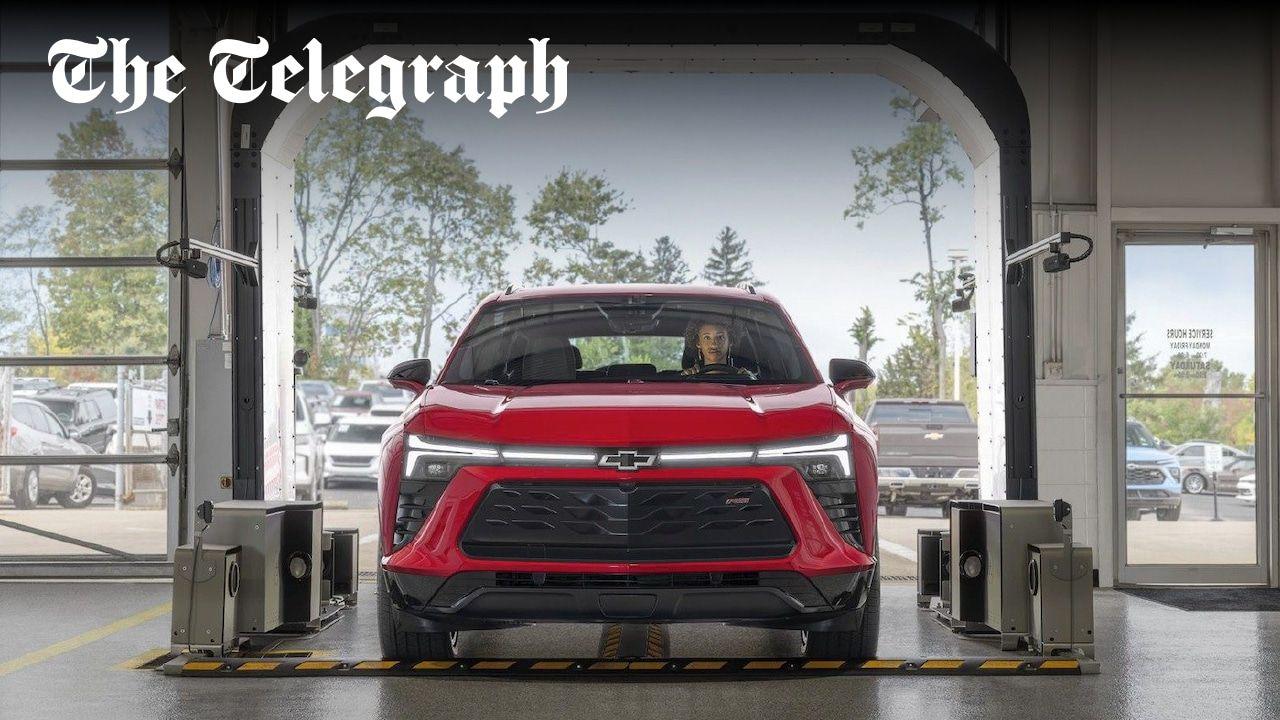
Source: The Telegraph
The AI-driven system not only detects damage but also automatically calculates fees. These often include substantial "processing" and "administrative" charges on top of the repair costs. For example, out of a $440 charge, $190 was earmarked for processing and administrative fees
2
.Compounding the issue, customers report difficulties in contesting these charges or speaking with human representatives. The Hertz app often directs users to an AI chatbot, making it challenging to dispute or inquire about unexpected fees
1
.Related Stories


Expansion and Industry Impact
Hertz has already implemented this system at six major U.S. airports and plans to expand to nearly 100 more locations by the end of the year. Other rental companies, such as Sixt and Avis, are also exploring or implementing similar AI-powered inspection technologies
3
.Potential Consequences and Consumer Advice
The introduction of these AI scanners may lead to increased costs for consumers, either through damage charges or by pushing more customers to purchase comprehensive insurance coverage. Consumer advocates warn that rental company insurance policies are often pricier and less comprehensive than those available directly from insurers
3
.
Source: Futurism
To protect themselves, experts advise renters to take time-stamped photos and videos of their vehicles at both pickup and drop-off, including close-ups and wide shots
1
.As AI continues to reshape various industries, the car rental sector serves as a prime example of how advanced technology can bring both efficiency and controversy. The balance between damage prevention and customer satisfaction remains a challenge that rental companies will need to address as these systems become more widespread.
References
Summarized by

Navi
[2]
[3]
Related Stories
Recent Highlights



Recent Highlights
Today's Top Stories



Don’t drown in AI news. We cut through the noise - filtering, ranking and summarizing the most important AI news, breakthroughs and research daily. Follow topics that matter to you and stay ahead.


