Hertz's AI Damage Scanner Sparks Customer Outrage and Raises Concerns About AI Implementation


2 Sources
[1]
Hertz' AI System That Scans for "Damage" on Rental Cars Is Turning Into an Epic Disaster
Back in April, the rental car company Hertz announced that it would be using UVeye, an AI damage scanning hardward and software system from a former defense contractor of the same name, to check its cars for damage after they were returned. It didn't take long for problems to arise. As our sister
[2]
'Longtime' Hertz customer says he's 'done' after AI scanner flagged...
A "longtime" Hertz customer says he is "done" with the car rental company after he claimed that the AI-powered damage detection system improperly flagged a nonexistent mark on the vehicle -- even though video that he filmed immediately afterwards appeared to back up his claim. "After 10 years as a
Share
Copy Link
Hertz's implementation of an AI-powered damage detection system for rental cars has led to widespread customer complaints and concerns about false damage claims, highlighting broader issues with AI adoption in consumer-facing services.
Hertz's AI Damage Scanner Sparks Controversy
Hertz, a leading car rental company, has found itself embroiled in controversy following the implementation of an AI-powered damage detection system. The UVeye system, developed by a former defense contractor, was introduced in April to scan rental cars for damage upon return
1
. However, what was intended to bring "greater transparency, precision and speed" to the rental process has instead resulted in a wave of customer complaints and raised concerns about the premature adoption of AI technology in consumer-facing services.
Source: Futurism
Customer Complaints and False Damage Claims
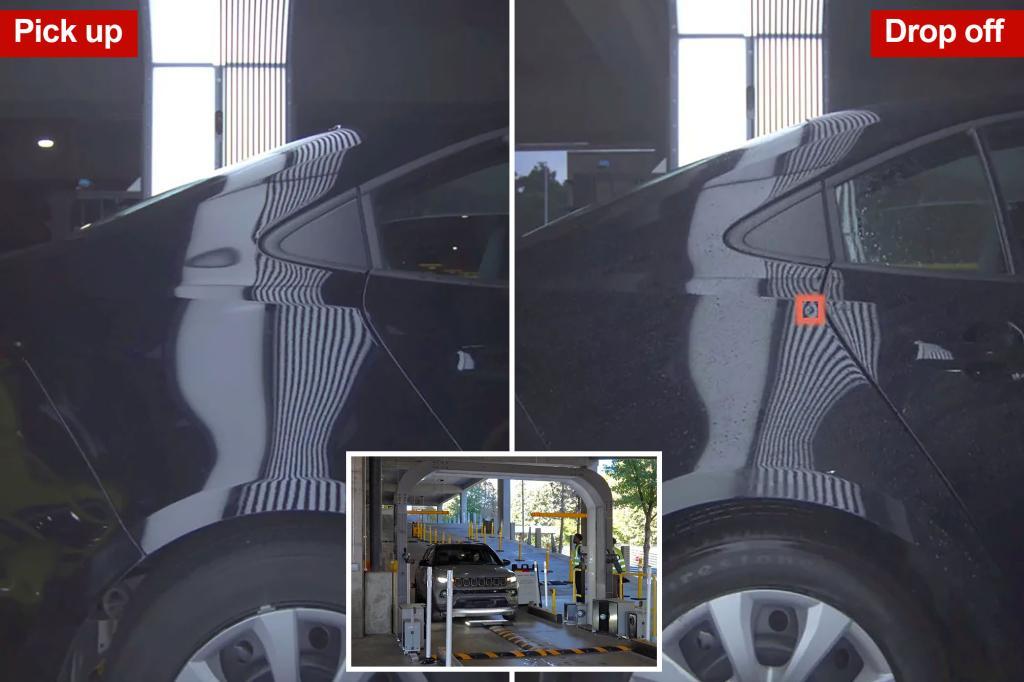
Numerous customers have reported being charged hundreds of dollars for minor cosmetic scuffs or even non-existent damage detected by the AI system. One long-time Hertz customer shared their frustrating experience on Reddit, stating they were "done" with the company after the AI scanner flagged nonexistent damage on their rental car
2
. The customer claimed that despite having video evidence showing no visible damage, they were unable to dispute the claim effectively due to a broken dispute system and lack of human accountability.Systemic Issues and Lack of Recourse
Customers have encountered significant obstacles when attempting to challenge these AI-generated damage claims. Many report being directed to an ineffective customer support system, with representatives claiming they "can't do anything" about the AI scanner's decisions
1
. This lack of human oversight and the apparent inability to contest the AI's judgments have left many customers feeling frustrated and powerless.Wider Industry Trend
Hertz is not alone in adopting this technology. Other rental companies, such as the Germany-based Sixt, have also invested in similar AI damage-detection systems. Sixt's "Car Gate" system has faced similar criticisms, with customers reporting being fined for damage that occurred outside their rental periods
1
.Implications for AI Implementation
This situation highlights broader concerns about the implementation of AI systems in consumer-facing services. While the technology promises efficiency and consistency, the Hertz case demonstrates the potential pitfalls when AI systems are deployed without adequate safeguards or human oversight. Critics argue that this is an example of companies offloading decision-making onto automated systems without taking responsibility for flawed judgments
1
.Related Stories


Hertz's Response and Future Plans
Source: New York Post
Despite the controversy, Hertz has defended the technology, stating that "the vast majority of rentals are incident-free" and that the scanner "only detects billable damage"
2
. The company currently uses UVeye scanners at several major airports and plans to expand the service to 100 locations by the end of 20252
.Broader Implications for AI Adoption
The Hertz AI scanner controversy serves as a cautionary tale for the broader adoption of AI technologies in various industries. It underscores the need for companies to ensure that AI systems are not only accurate but also fair, transparent, and accountable. As AI continues to play an increasingly significant role in our daily lives, the balance between technological efficiency and consumer rights will likely remain a critical point of discussion and concern.
References
Summarized by

Navi
[1]
Related Stories
Recent Highlights



Recent Highlights
Today's Top Stories



Don’t drown in AI news. We cut through the noise - filtering, ranking and summarizing the most important AI news, breakthroughs and research daily. Follow topics that matter to you and stay ahead.


