Huawei's new AI chip wins over ByteDance and Alibaba with CUDA compatibility breakthrough


4 Sources
[1]
Exclusive: Huawei's new AI chip find favour with ByteDance, Alibaba which plan to place orders, sources say
March 27 (Reuters) - Customer testing of Huawei's new AI chip, designed to challenge Nvidia (NVDA.O), opens new tab in the China market, has gone well and big tech giants including ByteDance and Alibaba plan to place orders, two people familiar with the matter said. The development marks a
[2]
Huawei's new AI chip finds favor with ByteDance, Alibaba which plan to place orders, Reuters reports
Customer testing of Huawei's new AI chip, designed to challenge Nvidia in the China market, has gone well and big tech giants, including ByteDance and Alibaba plan to place orders, two people familiar with the matter said. The development marks a milestone for Huawei. Despite a government
[3]
Huawei's new AI chip finds favour with ByteDance, Alibaba which plan to place orders - The Economic Times
Despite a government campaign to encourage the use of domestic semiconductors, the Shenzhen-based firm struggled to persuade big tech firms in the private sector to adopt its current flagship chip, the Ascend 910C, in large quantities, industry sources have previously told Reuters.Customer
[4]
Huawei's Ascend 950PR AI Chip Just Won Over Chinese Customers By Mimicking CUDA Through CANN Next, Threatening NVIDIA's Moat
Huawei's newest AI chip, the Ascend 950PR, might not deliver strong compute performance relative to NVIDIA for domestic hyperscalers, but it offers a major upgrade with CUDA compatibility. The Chinese computing industry has been trying to challenge NVIDIA's market dominance, and while the focus
Share
Copy Link
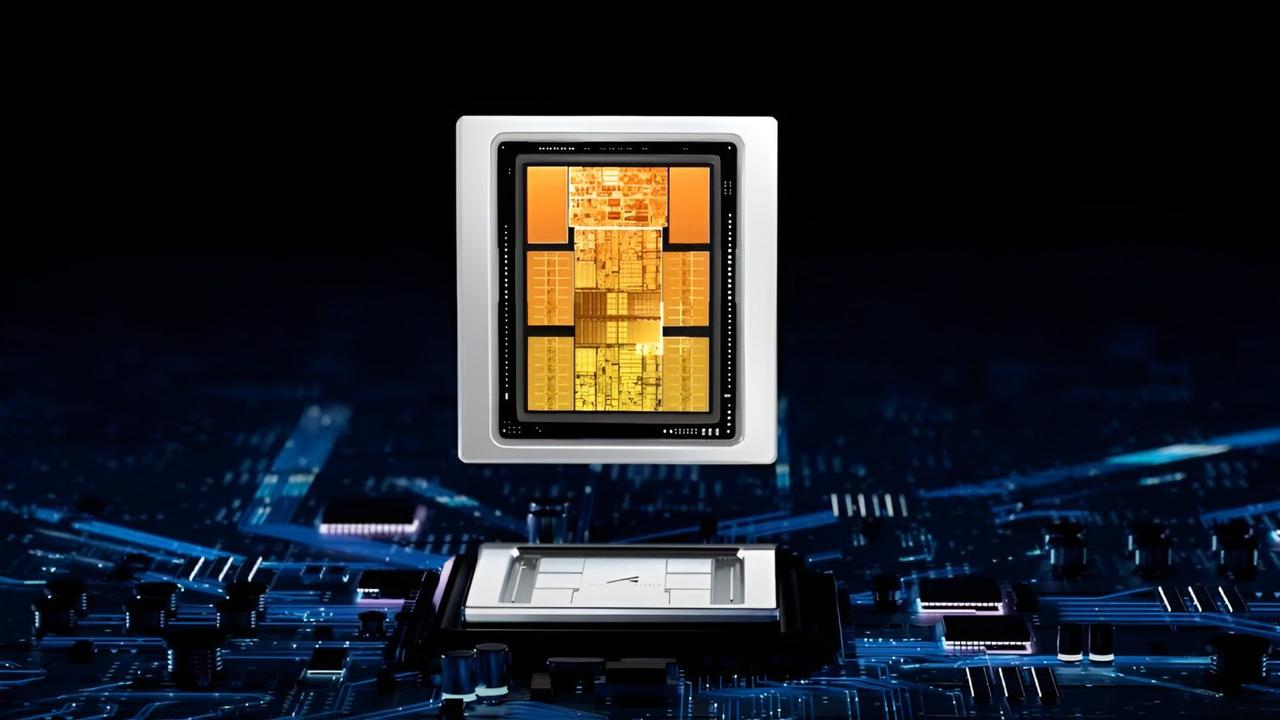
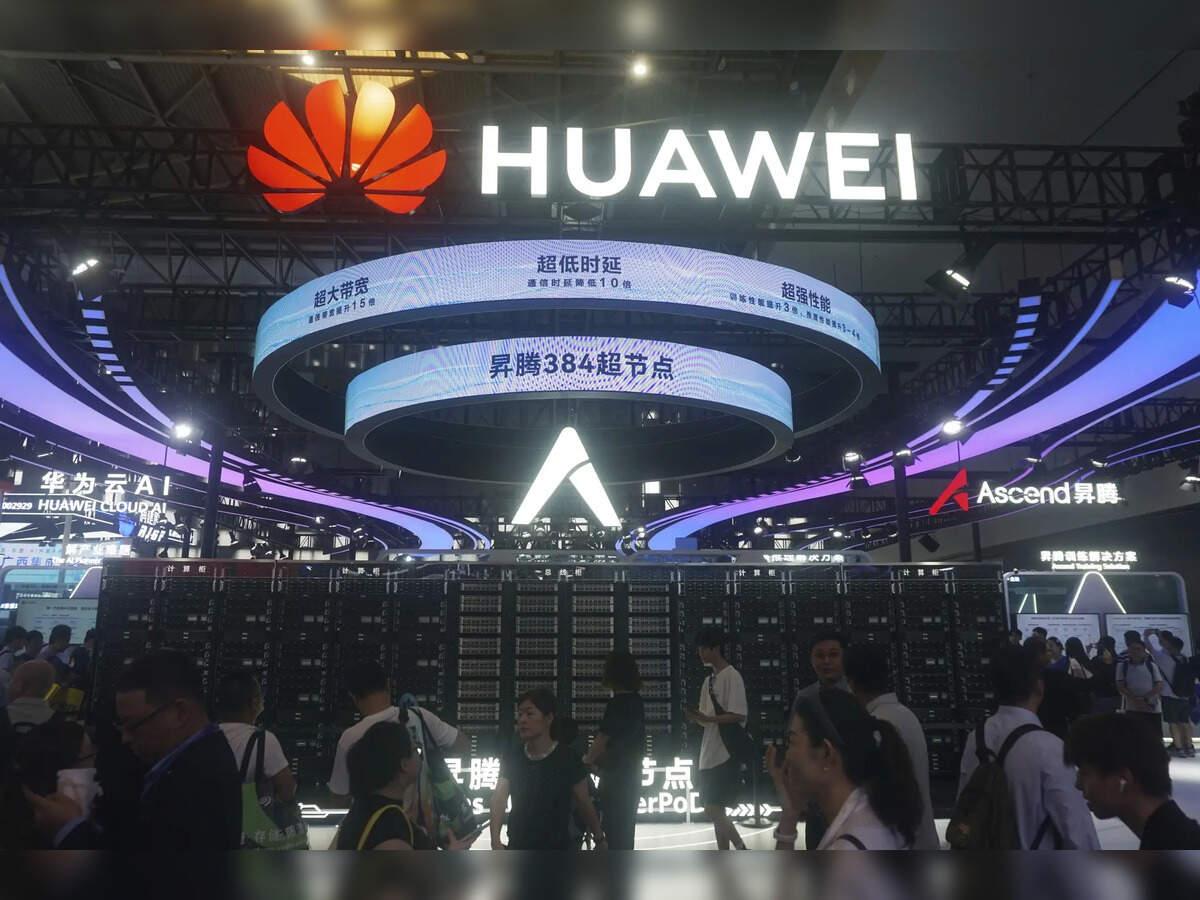
Huawei's Ascend 950PR AI chip has successfully completed customer testing, with ByteDance and Alibaba planning to place orders. The breakthrough comes from improved CUDA software system compatibility through CANN Next, making it easier for Chinese tech companies to migrate from Nvidia. Huawei plans to ship 750,000 chips this year as demand for domestic alternatives grows.
Huawei Secures Major Orders from ByteDance and Alibaba
Huawei's latest AI chip, the Ascend 950PR, has achieved a significant milestone after customer testing revealed strong performance results, prompting tech giants ByteDance and Alibaba to plan orders
1
. This development marks a turning point for the Shenzhen-based firm, which previously struggled to convince Chinese tech companies to adopt its flagship Ascend 910C chip in large quantities despite government campaigns encouraging domestic alternatives2
. The company plans to ship around 750,000 950PRs this year, with samples sent to customers in January and mass production set to begin next month, paving the way for full-scale shipments in the second half of the year3
.
Source: Wccftech
CUDA Compatibility Breakthrough Drives Adoption
The key differentiator for the Ascend 950PR lies in its enhanced compatibility with Nvidia's CUDA software system and improved response speeds, making it far more attractive to hyperscalers than previous offerings
1
. Huawei achieved this through a major upgrade to its CANN software system, now called CANN Next, which implements a SIMT programming model with features like thread blocks, warps, and kernel launches that mirror CUDA's architecture4
. Rather than creating a simple translation layer, CANN Next provides near-drop-in replacements for CUDA equivalents while optimizing performance specifically for Ascend hardware at scale. This approach allows developers at Chinese tech firms, who have predominantly used Nvidia's software system, to migrate their AI models more easily without completely abandoning familiar workflows3
.Technical Specifications and Pricing Strategy
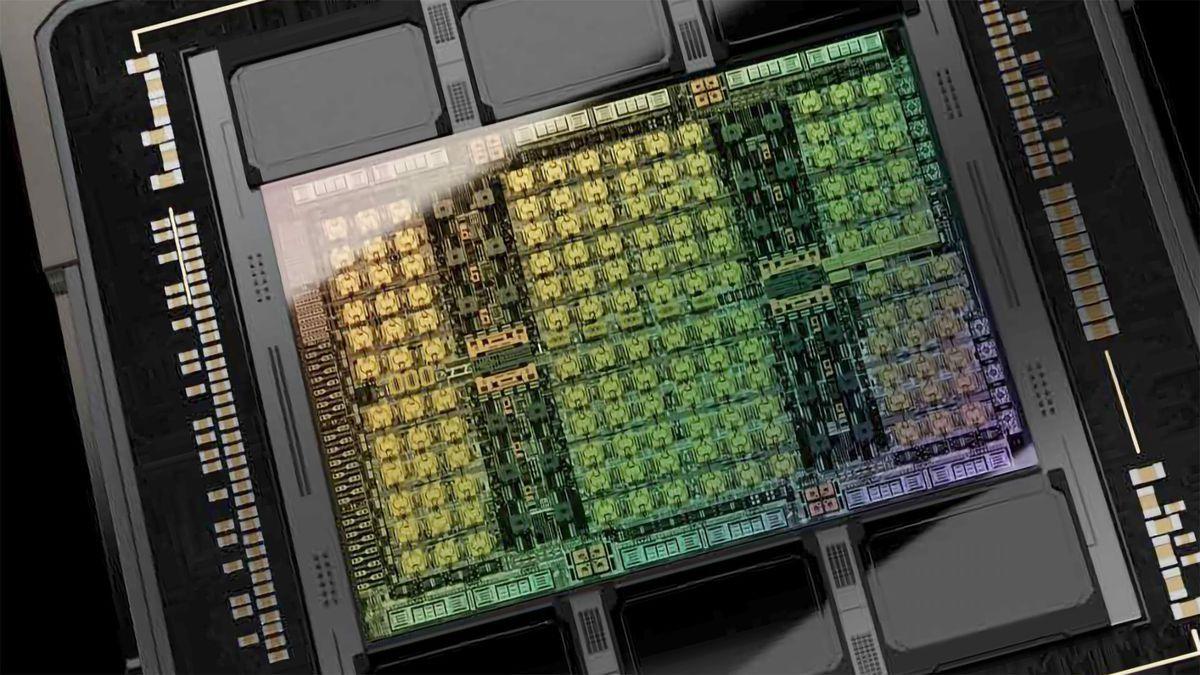
The Ascend 950PR offers modest improvements in raw computing power compared to the 910C, but excels in handling AI inference workloads—the process of running trained AI models to answer queries or execute tasks
1
. The chip supports low-precision data formats up to FP8, delivering 1 PFLOPS of FP8 compute and 2 PFLOPS of FP4, with interconnect bandwidth reaching 2 TB/s4
. Huawei will offer two versions: a standard model using traditional DDR memory priced at approximately 50,000 yuan ($6,900) per card, and a premium version equipped with faster HBM memory selling for around 70,000 yuan3
. The premium version features Huawei's self-developed HiBL 1.0 HBM technology with 128GB capacity and 1.6 TB/s bandwidth, ensuring the company won't face production constraints from external suppliers4
.Related Stories


Geopolitics and Market Timing
The launch comes at a critical juncture as U.S. restrictions continue to limit Nvidia's presence in China. Washington has banned many of Nvidia's artificial intelligence chips from sale in China over concerns the technology could enhance Chinese military capabilities
1
. While the Trump administration approved sales of Nvidia's more powerful H200 chips with certain conditions, and Chinese authorities have also granted approval, the timeline for their entry into the country remains unclear3
. This regulatory uncertainty has created pain points for hyperscalers seeking to source semiconductors, pushing them toward options like renting compute offshore or exploring domestic alternatives4
.Surging Demand for AI Inference Computing
Demand for AI inference workloads in China is experiencing rapid growth as the country's tech sector shifts focus from model development to real-world deployment. This trend has accelerated with the adoption of open-source AI agent OpenClaw
1
. Huawei first mentioned the new chip last September when outlining its long-term semiconductor plans, announcing it would launch some of the world's most powerful computing systems3
. The combination of CANN Next's CUDA-like programming model and the 950PR's optimization for inference tasks positions Huawei to capture a larger share of this expanding market. Industry observers will be watching whether Huawei can maintain chip volume production and whether customers proceed with mass deployment, as these factors will determine if the company can genuinely challenge Nvidia's market dominance in China's AI infrastructure landscape4
.
Source: ET
References
Summarized by

Navi
[2]
Related Stories
Recent Highlights



Recent Highlights
Today's Top Stories









Don’t drown in AI news. We cut through the noise - filtering, ranking and summarizing the most important AI news, breakthroughs and research daily. Follow topics that matter to you and stay ahead.


