iOS 27 Siri AI Adds New Opt-In Setting for Sharing Data With Apple's Foundation Models


2 Sources
[1]
iOS 27 adds new opt-in setting for sharing data to improve Apple's Foundation Models
After several months of beta testing, Apple released Siri AI to the public today as part of iOS 27 and its other OS updates. During setup, users will see a new prompt asking whether they'd like to opt in to improve Siri and Apple Intelligence. Here's what that means. Before today, users were
[2]
Siri AI in Apple iOS 27 may be the most private way to use AI, but here's one setting you should turn off
Apple's next-generation assistant Siri AI is rolling out today as part of iOS 27, with Apple pitching it as the moswt private way to use generative AI. Apple has spoken a lot about how, wherever possible, Apple Intelligence will process data on-device without those requests ever leaving your
Share
Copy Link
Apple released iOS 27 with Siri AI today, introducing a redesigned opt-in setting that asks users to share audio and text data to improve Apple's Foundation Models. While Apple maintains its privacy-first approach with on-device processing and Private Cloud Compute, the new setting expands how collected data will be used beyond traditional Siri improvements.
iOS 27 Launches With Redesigned Data Sharing Prompt
Apple released Siri AI to the public today as part of iOS 27, introducing a significant change to how the company requests user consent for data collection
1
. During setup, users enabling Siri AI will encounter a new prompt asking whether they want to opt in to "improve Siri and Apple Intelligence," with two clear options: "Share Audio and Text" or "Not Now"1
. This marks a departure from the previous "Improve Siri & Dictation" setting that focused solely on speech recognition improvements.
Source: 9to5Mac
Apple's Foundation Models Now Part of Data Usage
The critical shift in iOS 27 privacy settings centers on expanded data usage rather than the type of data collected. Apple will now use audio and text interactions from Siri, Dictation, and Translate to train and refine its Foundation Models alongside traditional Siri and Dictation improvements
1
. Even users who previously opted in under the old setting will be asked again when enabling Siri AI, giving them an opportunity to reevaluate their preference now that the data serves a broader purpose in training generative AI systems1
.Privacy-First Approach Remains Core to Apple Intelligence
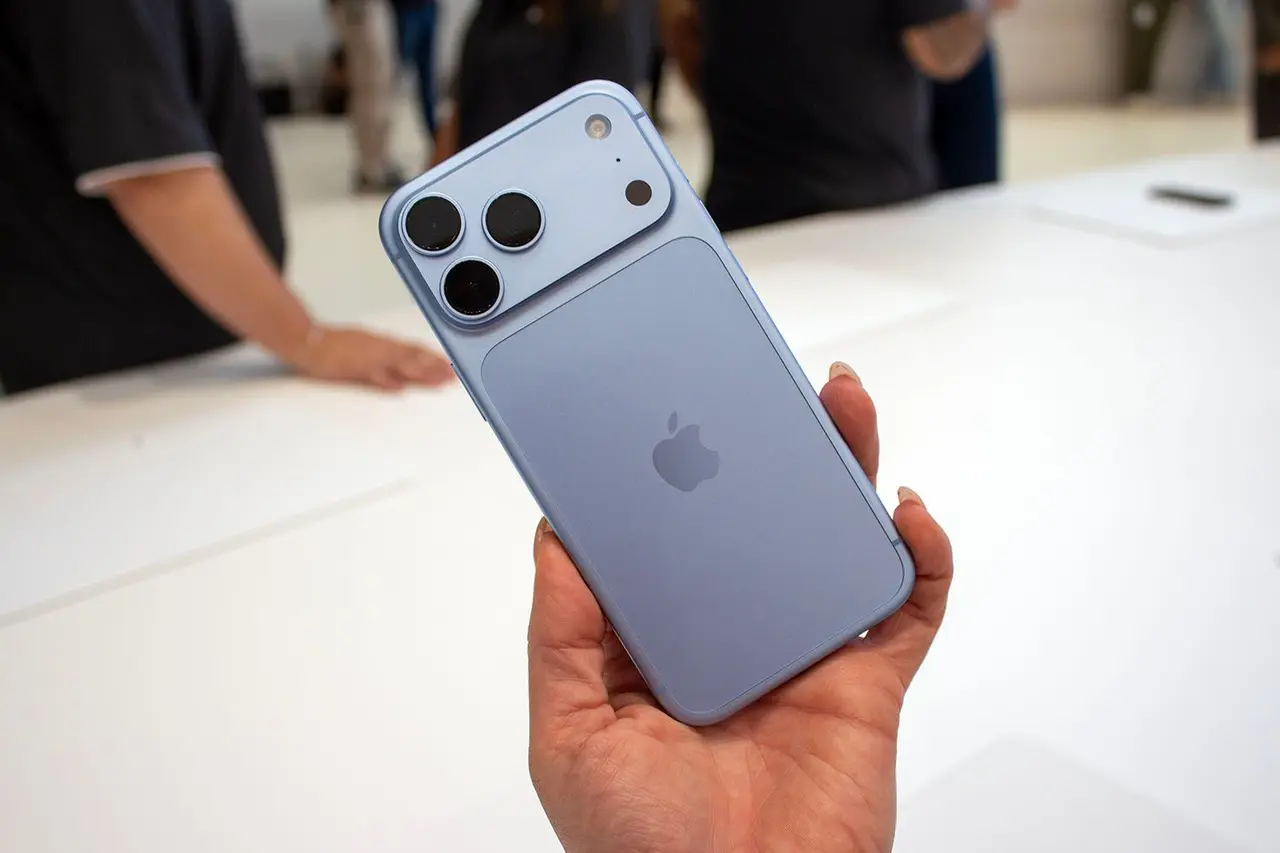
Apple positions Siri AI as the most private way to use generative AI, emphasizing that Apple Intelligence processes data on-device wherever possible without requests leaving users' iPhone, iPad, or Mac
2
. When cloud consultation becomes necessary, Apple uses Private Cloud Compute servers that do not store personal data or make it available to Apple or third parties2
. Apple stated that "every facet of new Apple Intelligence architecture is built privacy-first, from the latest Apple Foundation Models to the core operating system technologies"2
.
Source: Stuff
Related Stories

Understanding Data Protection Measures
Apple makes its privacy protections explicit when requesting opt-in consent. Siri audio data, transcripts, and related user data are tied to a random device-generated identifier that rotates multiple times per hour rather than being linked to Apple Account credentials or email addresses
1
. Apple explicitly states it does not use the data to build marketing profiles or sell information to third parties1
. Outside experts can verify Apple's privacy promise regarding Private Cloud Compute at any time2
.How to Manage Your Privacy Settings
Users maintain full control over their data sharing preferences through Analytics & Improvements settings. Those who wish to prevent Apple from collecting their data to improve speech recognition models and Foundation Models should select "Not Now" during setup
2
. Preferences can be changed at any time by navigating to Settings > Privacy & Security > Analytics & Improvements > Improve Siri & Apple Intelligence, and toggling the opt-in setting on or off1
. Disabling this setting won't prevent users from accessing Siri AI functionality—it simply removes Apple's ability to use those interactions for model training2
. Apple has published a new support document detailing these settings across all of its platforms1
.References
Summarized by

Navi
Related Stories
Apple's Siri AI in iOS 27 Requires Waitlist Access—Here's How to Join and What to Expect
15 Sept 2026•Technology

Apple Releases Siri AI in iOS 27: Personal Intelligence Comes to iPhone 18 Pro
10 Sept 2026•Technology

Apple's Innovative Approach to AI Improvement: Balancing Privacy and Performance
15 Apr 2025•Technology
Recent Highlights



Recent Highlights
Today's Top Stories








Don’t drown in AI news. We cut through the noise - filtering, ranking and summarizing the most important AI news, breakthroughs and research daily. Follow topics that matter to you and stay ahead.


