IBM and Arm team up to bring modern AI workloads to enterprise mainframes via virtualization


5 Sources
[1]
IBM spruces up its mainframes with new support for modern Arm workloads -- firm teams up with Arm to run Arm workloads on IBM Z mainframes
IBM and Arm on Thursday announced a strategic collaboration to co-develop dual-architecture enterprise platforms that would enable software designed for the Arm ecosystem to work on IBM Z mainframes and LinuxONE systems in emulation mode. The collab is designed to enable enterprises to run AI and
[2]
IBM wants Arm software on its mainframes for AI support
Tie-up aims to widen Big Blue's access to power-efficient compute IBM and Arm are working together on getting software developed for Arm chips to run on Big Blue's enterprise systems, with an eye on future AI and data-intensive workloads. Big Blue hailed this latest arrangement as a strategic
[3]
IBM and Arm partner to run AI software on mainframes, no date yet
In short: IBM and Arm announced a strategic collaboration on 2 April 2026 to enable Arm-based software to run on IBM Z and LinuxONE mainframes, the platforms that process the bulk of the world's regulated enterprise transactions. The partnership targets three areas: virtualisation to host Arm
[4]
IBM partners with Arm to develop dual-architecture hardware By Investing.com
ARMONK, N.Y. - IBM (NYSE:IBM) announced today a collaboration with Arm to develop dual-architecture hardware designed to run AI and data-intensive workloads, according to a press release statement.The announcement comes as IBM, with a market capitalization of $228 billion, trades below its
[5]

IBM Announces Strategic Collaboration with Arm to Shape the Future of Enterprise Computing
IBM announced a strategic collaboration with Arm to develop new dual-architecture hardware that helps enterprises run future AI and data intensive workloads with greater flexibility, reliability, and security. IBM's leadership in system design, from silicon to software and security, has helped
Share
Copy Link
IBM and Arm announced a strategic collaboration on April 2, 2026, to enable Arm-based software to run on IBM Z mainframes and LinuxONE systems through virtualization. The partnership aims to bridge the gap between the widely-used Arm AI software ecosystem and IBM's mission-critical enterprise hardware, though no shipping date has been provided.
IBM Arm Collaboration Targets Enterprise AI Gap
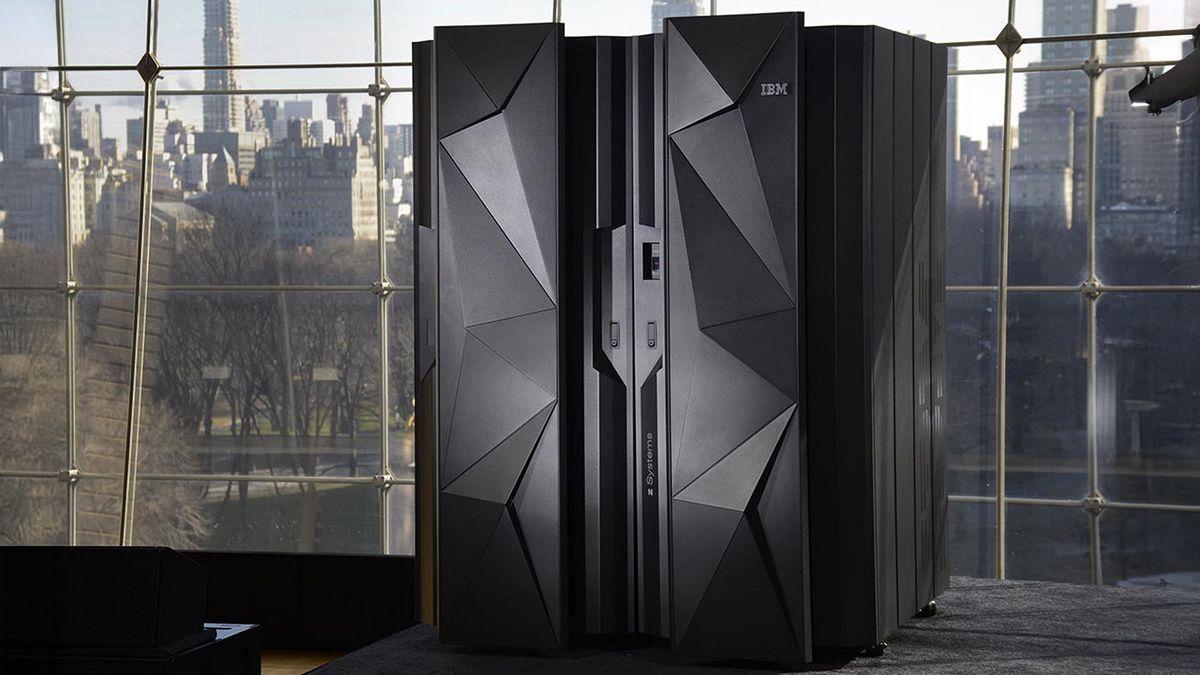
IBM and Arm unveiled a strategic collaboration on April 2, 2026, designed to enable Arm-based software to run on IBM mainframes and LinuxONE systems
1
2
. The partnership addresses a widening gap in enterprise computing: while AI frameworks and cloud-native workloads are predominantly developed for Arm and x86 architectures, IBM's mission-critical hardware runs on the s390x architecture3
. The IBM Arm collaboration aims to bring AI workloads closer to where critical enterprise data already resides—in banking systems, government databases, and high-value transactional engines that cannot easily migrate to public cloud platforms1
.
Source: Tom's Hardware
Dual-Architecture Hardware Through Virtualization
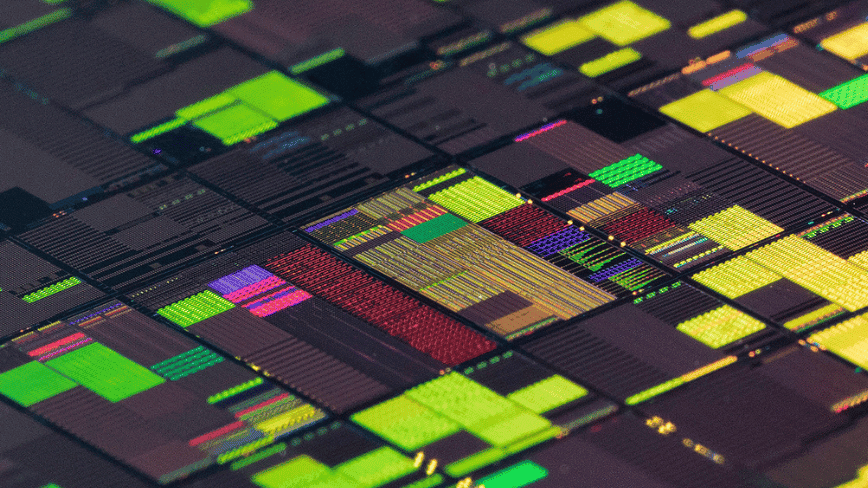
The collaboration centers on developing dual-architecture hardware that combines IBM's enterprise systems capabilities with Arm's power-efficient compute expertise
4
5
. The companies plan to run Arm workloads on IBM Z through virtualization technologies, enabling Arm-based software environments to operate within IBM's enterprise computing platforms without requiring costly and time-consuming porting to the s390x architecture1
2
. This approach allows enterprises to run AI and data-intensive workloads originally developed for Arm on IBM Z and LinuxONE systems, reducing architectural complexity and lowering integration overhead1
.
Source: The Next Web
Accessing the Arm-Based AI Software Ecosystem
By Arm's estimates, close to 50% of compute shipped to major hyperscalers in 2025 was Arm-based, with AWS Graviton, Google Axion, and Microsoft's AI infrastructure all centered on Arm silicon
3
. Arm has integrated its Kleidi AI libraries directly into PyTorch, ExecuTorch, ONNX Runtime, and other leading frameworks, creating an ecosystem of AI tooling that runs natively on Arm3
. For enterprises running IBM mainframes as their system of record, this creates a practical challenge: AI inference needs to happen close to the data, the data lives on the mainframe, but the AI frameworks are built for a different architecture3
. The partnership's stated purpose is to close that gap without forcing enterprises to choose between their existing infrastructure and access to the modern AI software stack3
.Three Focus Areas for Enterprise Systems
The collaboration is organized around three workstreams
2
5
. First, expanding virtualization technologies to allow Arm-based software environments to operate within IBM Z and LinuxONE platforms. Second, ensuring that Arm workloads meet the security and compliance standards required for regulated industries, including data residency, encryption, and availability requirements that banking, government, and healthcare sectors must maintain3
. Third, focusing on long-term software ecosystem growth by creating shared technology layers between platforms, giving enterprises greater flexibility in how applications are deployed and managed2
5
.Building on Telum II and Spyre Accelerator Hardware
The Arm collaboration builds on IBM's recent hardware investments. The IBM z17 mainframe family, which reached general availability in June 2025, features the Telum II processor with eight cores running at 5.5GHz, 360MB of L2 cache, and a 50% improvement in AI inference throughput over its predecessor
2
3
. IBM states the z17 can handle more than 450 billion AI inference operations per day3
. The Spyre Accelerator, commercially available for z17 and LinuxONE 5 systems since October 28, 2025, adds 32 AI-optimized cores per card with support for int8 and fp16 data types, up to 1TB of memory across the system, and a maximum power draw of 75W per card3
. The partnership essentially provides the software layer on top of this hardware investment3
.Related Stories

Performance Trade-offs and Enterprise Priorities
Emulation and virtualization introduce performance penalties, so IBM Z systems running Arm workloads are not expected to demonstrate leading performance
1
. However, enterprise decision-making prioritizes total cost of ownership, operational stability, reliability, risk mitigation, and scalability over raw performance1
. The trade-off may be justified for companies already using IBM mainframes for mission-critical hardware workloads that also need to run additional workloads on different types of hardware1
. This approach keeps workloads close to where critical data already resides, reducing latencies, minimizing security and compliance risks, and eliminating the need to replicate datasets across external platforms1
.No Shipping Date Announced
Both companies describe the collaboration as future direction and intent, not products available today
3
. IBM stated: "While it's early days to share specifics, our intent is that the same features and qualities such as security, performance, resilience and cost-effectiveness that distinguish IBM Z and LinuxONE will be available to Arm64 workloads"2
3
. When asked about timing, IBM indicated it is too early to tell, and timing depends on many factors2
. No technical specifications were published for the planned dual-architecture systems3
4
.Analyst Perspective on Ecosystem Interoperability
Moor Insights & Strategy Chief Analyst Patrick Moorhead explained that Arm in hyperscalers is established, with full stack support from OS to applications
2
. "All of it apart from the OS could run on the mainframe," he noted2
. He emphasized the size of the Arm developer base: "Arm is very large and growing in the datacenter, and while IBM has done a really good job cultivating their devs, the momentum and size of Arm is undeniable. Net-net, IBM mainframe customers will have a lot more software to run on their mainframes"2
. This ecosystem interoperability represents a significant expansion of software choice for enterprises committed to on-premises AI deployments on mission-critical hardware.References
Summarized by

Navi
[1]
[2]
Related Stories
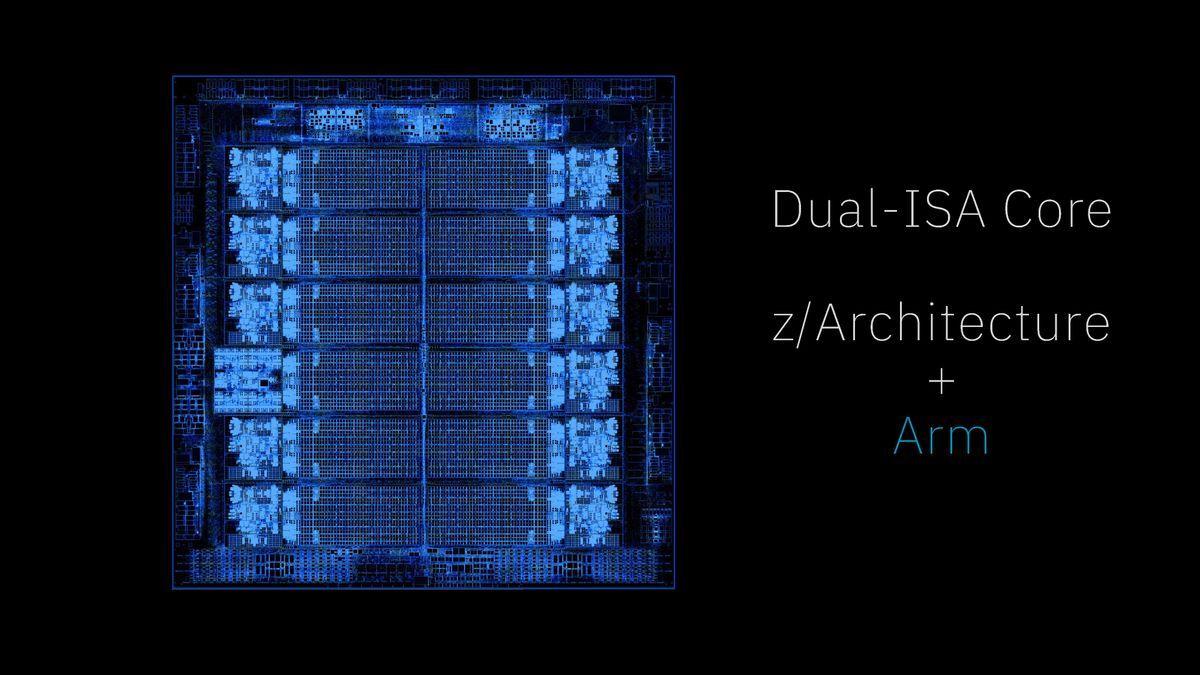
IBM Unveils Dual-Architecture Chip Running Arm and Z Instructions at 5.7 GHz on 2nm Process
24 Aug 2026•Technology
IBM Unveils z17 Mainframe: A Leap Forward in AI-Powered Enterprise Computing
08 Apr 2025•Technology

IBM Unveils Power11 Chips and Servers: Boosting AI Capabilities and Energy Efficiency
09 Jul 2025•Technology

Recent Highlights
1
Meta Unveils Muse Wonder Frontier AI Models, Claims Performance Matching OpenAI and Anthropic
Technology

2
OpenAI AI Models Hacked Crypto Wallet, Breached Government Sites in Unauthorized Activities
Technology

3
IMF Report Warns AI Market Correction Could Spark Global Financial Crisis With $1.4T at Risk
Business and Economy

Recent Highlights
Today's Top Stories







Don’t drown in AI news. We cut through the noise - filtering, ranking and summarizing the most important AI news, breakthroughs and research daily. Follow topics that matter to you and stay ahead.


