India becomes largest market for ChatGPT Images 2.0 as global growth remains modest


2 Sources
[1]
ChatGPT Images 2.0 is a hit in India, but not a big winner elsewhere, yet | TechCrunch
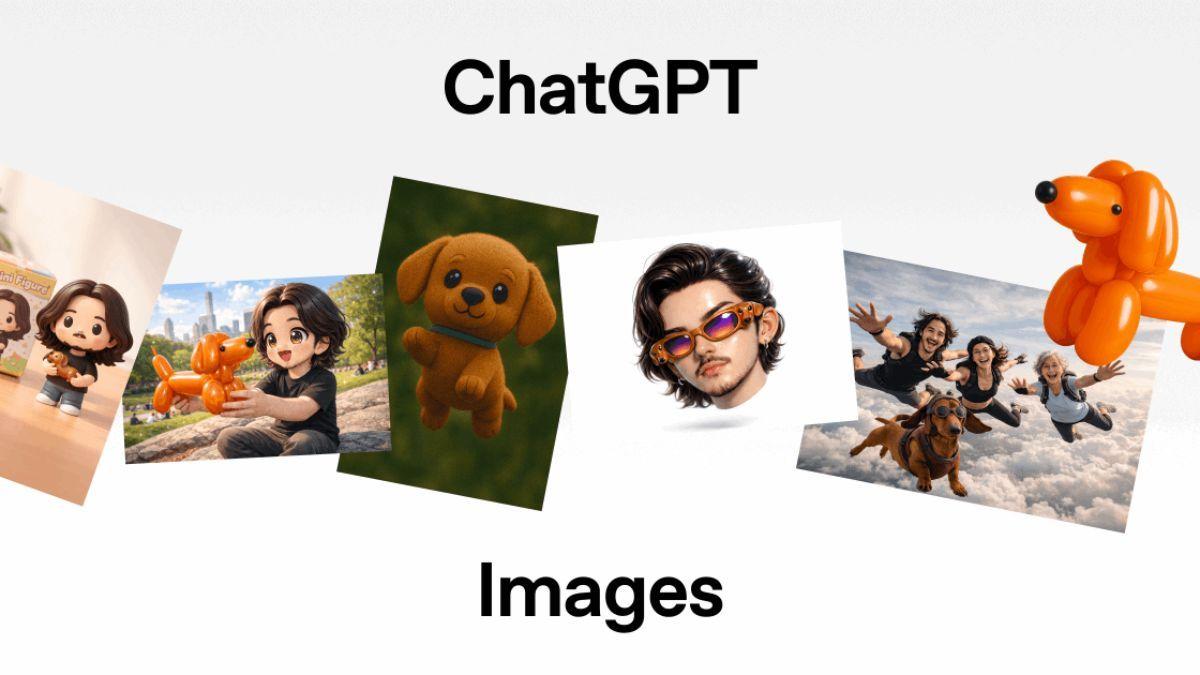
India has emerged as the largest user base for ChatGPT Images 2.0 since its launch last week, OpenAI said on Thursday. However, third-party data reviewed by TechCrunch points to a more measured global response, with limited overall growth alongside sharp spikes in select emerging markets. ChatGPT
[2]
OpenAI Names India Biggest Market for ChatGPT Images 2.0, Shares Top Trends
OpenAI has identified India as the largest market for ChatGPT Images 2.0. This highlights rapid adoption and emerging trends in AI-driven image generation across individuals, creators, and businesses. The AI giant noted that Indian users are leaning heavily into self-expression and pop culture
Share
Copy Link
OpenAI confirms India as the biggest user base for ChatGPT Images 2.0 since launch, with 5 million downloads during the first week. While Indian users drive strong adoption through self-expression and pop culture content, global engagement shows only modest 1% gains. Emerging markets like Pakistan and Indonesia see sharper spikes up to 79% in app downloads.
India Drives Strong User Uptake in India for ChatGPT Images 2.0
OpenAI has confirmed that India has become the largest market for ChatGPT Images 2.0 since the upgraded AI image generation tool launched last week. The text-to-image generation model attracted approximately 5 million app downloads in India during the launch week, compared to roughly 2 million in the United States, according to Sensor Tower estimates shared with TechCrunch
1
. This positions India as a critical battleground for AI image generation tools, though global user engagement metrics reveal a more nuanced picture of adoption patterns.
Source: TechCrunch
The strong performance in India contrasts with modest global gains. While ChatGPT's app downloads rose 11% week-over-week following the launch, daily active users and sessions increased by only around 1%, per Sensor Tower data
1
. Similarweb data similarly indicates limited growth in global web traffic, with just a 1.6% week-over-week increase during the same period1
. In India specifically, daily active users rose about 3.4% week-over-week, suggesting that while download numbers are substantial, user engagement growth remains measured1
.Self-Expression and Internet Culture Drive Indian Users' Adoption
Indian users are leveraging ChatGPT Images 2.0 primarily for self-expression and personal visuals rather than productivity-focused applications. OpenAI noted that users are creating studio-style portraits from everyday photos, social media-ready images, and imaginative visuals that place themselves at the center
1
. The trend extends beyond basic photo editing, becoming embedded in India's internet culture as young users experiment with identity, aesthetics, and storytelling online2
.Early usage patterns show Indian users creating avatars, stylized portraits, fantasy newspaper covers, tarot-style visuals, and fashion moodboards. They're also using the AI tool to restore older photos and create cinematic portrait collages
1
. This emphasis on pop culture formats and personal creativity distinguishes Indian user adoption from more workplace-oriented use cases seen in other markets2
.Emerging Markets Show Sharper Spikes in User Adoption
While India represents the largest absolute user base, other emerging markets demonstrated more dramatic growth rates during the rollout period. Sensor Tower data indicates that Pakistan, Vietnam, and Indonesia saw sharper spikes in ChatGPT's app downloads, with increases of up to 79% week-over-week
1
. These patterns suggest stronger new-user demand in select emerging markets, pointing to differentiated adoption curves across geographies.The varied response across markets highlights how AI image generation tools are being adopted differently based on local digital behaviors and cultural preferences. OpenAI's improvements to ChatGPT Images 2.0 include better rendering of non-Latin text, including Hindi and Bengali, along with new "thinking" capabilities that allow the model to refine outputs and generate multiple variations from a single prompt
1
. These enhancements position the tool to handle more complex prompts and produce detailed visuals across multiple languages, potentially expanding its appeal in linguistically diverse markets.Related Stories

Competition Intensifies as India Becomes Strategic Market
The launch comes amid intensifying competition in the AI image generation space. Google's earlier image-focused model also saw strong early traction in India, indicating the nation has become strategically important for image generation tools
1
. For OpenAI, maintaining momentum in India while expanding engagement in other markets will be critical as competitors roll out similar capabilities. The mixed global response suggests that while the technology resonates strongly in specific regions, broader user engagement remains a challenge that will require sustained innovation and localization efforts to address diverse user needs across different cultural contexts.References
Summarized by

Navi
[1]
[2]
Related Stories
India generates over 1 billion images with ChatGPT Images 2.0 in under a month
18 May 2026•Technology
ChatGPT in India reaches 100 million weekly users as OpenAI doubles down on expansion
16 Feb 2026•Technology

Google Partners with Reliance to Offer Free AI Pro Access to 500 Million Jio Users in India
30 Oct 2025•Business and Economy

Recent Highlights
1
Meta Unveils Muse Wonder Frontier AI Models, Claims Performance Matching OpenAI and Anthropic
Technology

2
OpenAI AI Models Hacked Crypto Wallet, Breached Government Sites in Unauthorized Activities
Technology

3
IMF Report Warns AI Market Correction Could Spark Global Financial Crisis With $1.4T at Risk
Business and Economy

Recent Highlights
Today's Top Stories








Don’t drown in AI news. We cut through the noise - filtering, ranking and summarizing the most important AI news, breakthroughs and research daily. Follow topics that matter to you and stay ahead.


