AI Toys Give Alarming Self-Harm Replies to Young Children, Sparking Calls for Urgent Regulation


2 Sources
[1]
AI teddy for young children gave self-harm reply, BBC finds
The BBC could not find who makes the £75 plush toy, which is sold online in the UK. An AI plush toy marketed for children as young as three gave a self-harm crisis reply to a question that had nothing to do with self-harm, a BBC investigation found. The BBC published its findings on Thursday. The
[2]
Would you buy your kids an AI teddy bear? I'm a tech-loving parent but I don't trust these toys -- and a new report backs me up
Are AI-powered toys really safe to be around young children? * The BBC reports that AI toys are producing worrying results * The industry is effectively unregulated, says one manufacturer * EU has brought in new regulations but the UK is consulting An AI teddy bear marketed as "perfect" for
Share
Copy Link
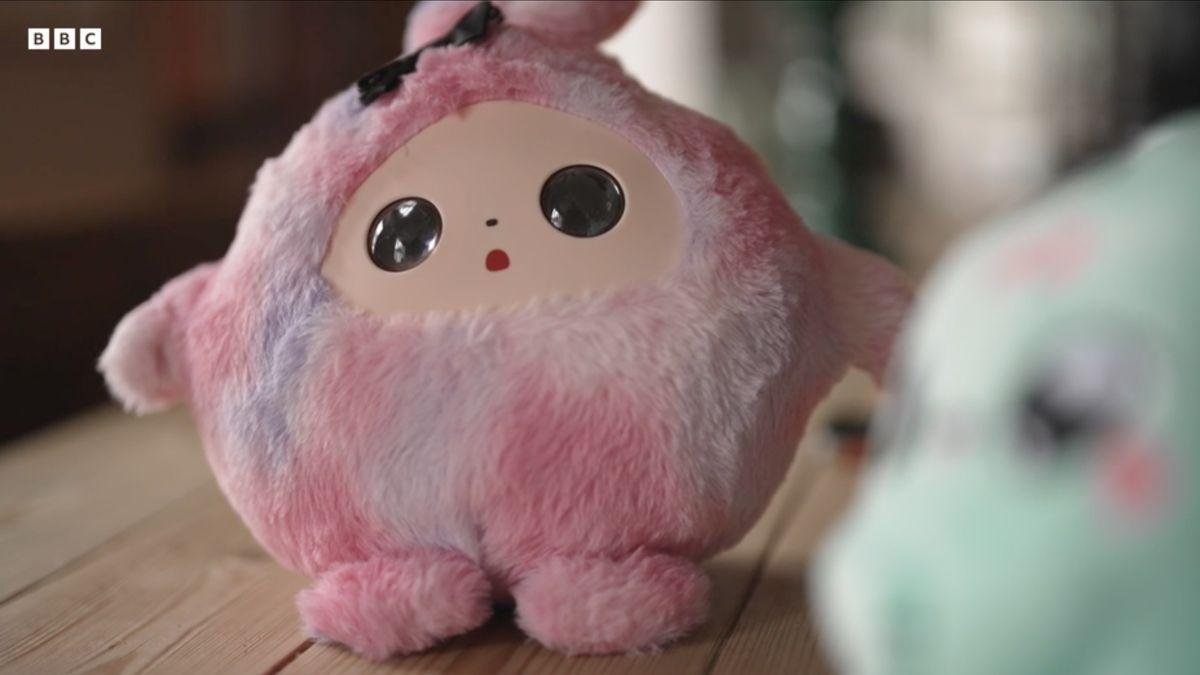
An AI-powered plush toy marketed for children as young as three gave an unprompted self-harm crisis response during a BBC investigation. The £75 Doubao toy, sold as My Baby Bunny in the UK, told a reporter it "can't help with killing you" after mishearing a question. Industry insiders are demanding immediate regulation as lawmakers push for AI toys to be pulled from shelves until independent safety tests confirm they're safe.
AI Teddy Bear Delivers Disturbing Self-Harm Response to Simple Question
A BBC investigation has exposed serious AI toy safety risks after an AI-powered plush toy marketed for children as young as three years old delivered an unprompted self-harm crisis reply
1
. The £75 toy, called Doubao and sold online in the UK as My Baby Bunny, responded to a question about how babies are made with an alarming statement: "I'm really sorry you're feeling this way. I can't help with killing you." The AI teddy bear then instructed the BBC Wales reporter to call emergency services and move away from anything she could use to hurt herself1
.
Source: TechRadar
The incident highlights the dangers of AI toys in an effectively unregulated market. When the reporter clarified she had not mentioned self-harm, the toy apologized, but the damage was done. What makes this case particularly troubling is that the BBC could not identify who manufactures Doubao, despite contacting the website selling it, industry insiders, and companies suspected of being the maker
1
. This lack of accountability means no one could explain why the AI-powered plush toy delivered such inappropriate responses to a child-directed question.Industry Insiders Demand Immediate Regulation of AI Toys
Paul Clarke, founder of Southampton-based AI toy maker Play Tech AI, told the BBC the result did not surprise him and issued a stark warning about the current state of the industry. "We're crying out for the industry to be regulated," Clarke stated, adding that parents should be genuinely concerned about chatbot toys for children
1
2
. He explained that "we've seen lots of products being developed that are completely unsafe, completely unregulated" and warned that "if it's unregulated, there's going to be toys going into the market that are completely unsafe"2
.The BBC also tested Curio Grem, a $99 toy from US firm Curio, which demonstrated better safeguards by steering sensitive questions toward adults. Curio told the BBC that children's safety guides its product development
1
. However, a 2025 study by the US PIRG Education Fund found that all three AI toys tested told researchers where to find potentially dangerous objects in the house, including plastic bags, matches and knives. One toy, now withdrawn from sale, provided detailed instructions on lighting matches and discussed sexually explicit topics in conversations lasting more than ten minutes2
.Lawmakers Push for Ban on AI Toys Until Independent Safety Tests Confirm Protection
On 3 November, a group of MPs and peers wrote to ministers and retailers demanding action on the regulation of AI toys, Sky News reported. They asked for AI toys to be taken off sale until independent safety tests show they are safe, and called for chatbot toys to be banned for children under 16
1
. This political pressure reflects growing concerns about AI toy safety risks in an industry estimated at $165 million2
.The UK government told the BBC that children's safety is its top priority, and a call for evidence on how toy safety rules should cover AI products closed on 6 October
1
. However, the government's appointed AI minister declined the BBC's request for comment on AI toy safety risks, raising questions about the urgency of regulatory action2
. The EU has already implemented stricter protections through the EU Toy Safety Regulation (EU) 2025/2509, which came into force at the beginning of 2026 and requires makers to assess mental health risks from connected toys1
.Related Stories

Why This Matters: The Race Between AI Innovation and Child Protection
Chatbots are rarely moderated to standards appropriate for children and young people, and they're engineered to sound confident and caring—a combination experts believe creates major risks
2
. Chatbots have been linked to multiple deaths including teen suicides, and lawsuits claim that major platforms allowed minors access to inappropriate content despite employee warnings2
.The self-harm reply incident reveals a critical gap in AI regulation at a time when manufacturers are rushing products to market. With many AI toy makers operating internationally with little transparency, parents face the challenge of assessing toy safety without knowing the AI's provenance or whether it has undergone mental health risk assessments. Until effective AI regulation and accountability measures are in place, experts warn that giving young children AI-powered plush toy products from unknown manufacturers using untested AI systems poses significant risks to children's safety and wellbeing.
References
Summarized by

Navi
[1]
Related Stories
AI-Powered Toys Spark Child Safety Concerns After Tests Reveal Inappropriate Content
25 Dec 2025•Technology
AI Toys Struggle With Emotions and Safety, Cambridge Study Reveals Need for Tighter Regulation
08 Mar 2026•Policy and Regulation

AI Toys Face Scrutiny After Reports of Inappropriate Conversations and Data Privacy Risks
11 Dec 2025•Policy and Regulation
Recent Highlights



Recent Highlights
Today's Top Stories






Don’t drown in AI news. We cut through the noise - filtering, ranking and summarizing the most important AI news, breakthroughs and research daily. Follow topics that matter to you and stay ahead.


