India Proposes Mandatory Royalties for AI Training, Targeting OpenAI and Google Operations


7 Sources
[1]
India proposes charging OpenAI, Google for training AI on copyrighted content | TechCrunch
India has proposed a mandatory royalty system for AI companies that train their models on copyrighted content -- a move that could reshape how OpenAI and Google operate in what has already become one of their most important and fastest-growing markets globally. On Tuesday, India's Department for
[2]
India's government wants AI companies to pay for content
Proposes central body to collect royalties and dole out cash to creators The government of India wants AI companies to pay for accessing content they use to train models, but only once they start producing revenue. That idea emerged yesterday in a working paper [PDF] prepared by a Committee on
[3]
India Moves to Regulate AI Training by Google, OpenAI | AIM
Expert Committee sides with creator remuneration, rejecting opt-out nudge from industry groups pushing unrestricted text and data mining access. India has moved closer to creating a formal royalty regime for artificial intelligence (AI) developers, with a government committee recommending a blanket
[4]
Indian AI royalty proposal targets data practices of OpenAI, Google
The step comes as governments worldwide are fast developing regulations to resolve AI-related copyright disputes, as AI companies say they are making fair use of material generated by content owners. An Indian government panel has proposed requiring AI companies to pay content creators a share of
[5]

Indian panel proposes AI firms should pay royalties on data for training AI models
A panel of the Indian government has proposed requiring AI companies to pay content creators a share of revenue for using their work to train AI models, a potential setback for companies like OpenAI (OPENAI) and Alphabet's ( AI companies like OpenAI and Google may face new costs, as they would be
[6]

Indian AI royalty proposal targets data practices of OpenAI, Google
NEW DELHI, Dec 9 (Reuters) - An Indian government panel has proposed requiring AI companies to pay content creators a share of revenue for using their work to train models, a setback for companies such as OpenAI and Google that back free access to publicly available data. The step comes as
[7]

India asks OpenAI and Google to pay creators for using their content: Report
Tech industry reactions are mixed, as the draft policy enters a 30-day feedback period before final decisions are made. India is preparing for a significant shift in how AI companies can use content created within the country, and the move feels like an attempt to set the rules before the rest of
Share
Copy Link
India's government has released a framework requiring AI companies to pay royalties for training models on copyrighted content. The proposal establishes a central collecting body to distribute payments to creators, marking a sharp departure from the U.S. fair use approach. Tech giants like OpenAI and Google face potential new costs in one of their fastest-growing markets.
India AI Regulation Introduces Mandatory Payment Framework
India has unveiled one of the world's most interventionist approaches to AI copyright, proposing a mandatory royalty system for AI companies that train their models on copyrighted content
1
. The Department for Promotion of Industry and Internal Trade (DPIIT) released a 125-page working paper on December 8 outlining a framework that would require OpenAI, Google, and other AI companies to pay for content used in training their models3
. The proposal comes as governments worldwide develop regulations to resolve AI-related copyright disputes, with AI firms arguing they are making fair use of publicly available material4
.
Source: TechCrunch
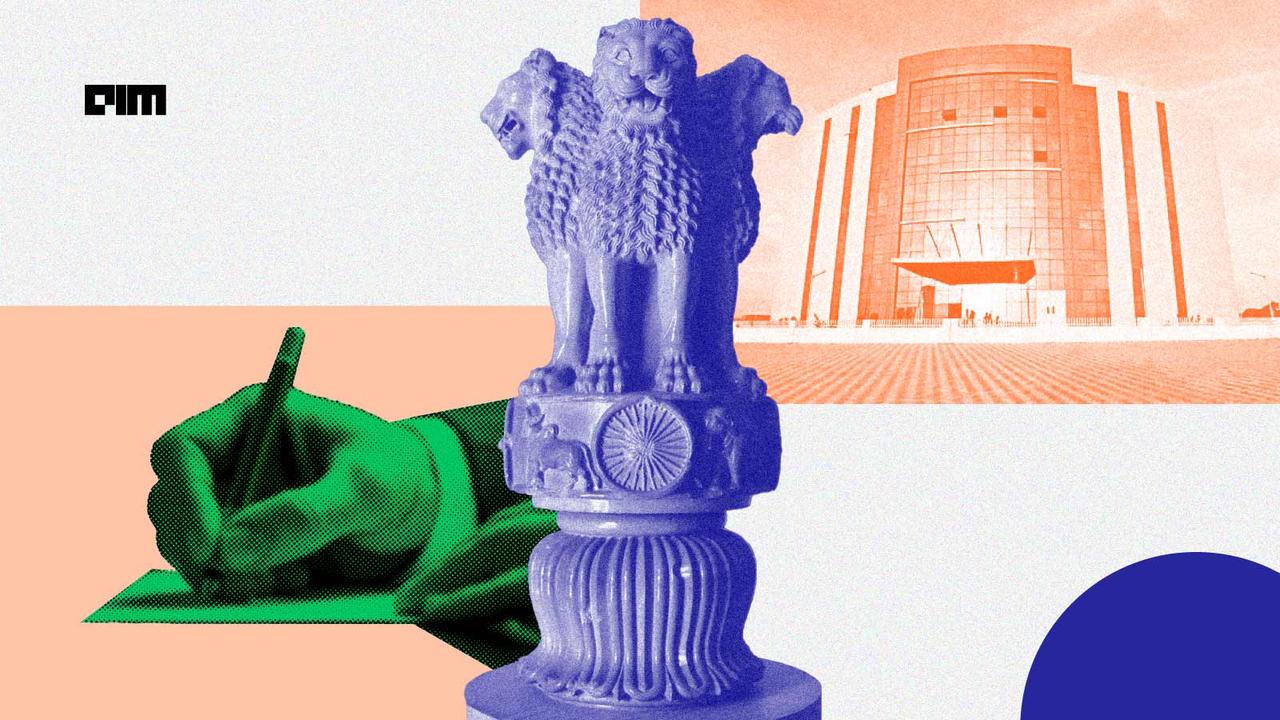
The eight-member committee, formed in late April and chaired by Himani Pande, an additional secretary at DPIIT, argues this blanket licensing system for AI would lower compliance costs while ensuring content creators receive compensation when their work is scraped to train commercial models
1
. This marks a sharp divergence from jurisdictions like the United States, where AI giants say training models on publicly available data constitutes fair use for which they should not be charged4
.
Source: AIM
Central Body for Royalty Payments to Streamline Compensation
The proposal establishes a central body to collect and distribute revenue for using work to train AI models. The committee suggests naming this organization the Copyright Royalties Collective for AI Training (CRCAT), which would function as a nonprofit organized by associations of rightsholders
2
. The working paper also recommends establishing a "Works Database for AI training royalties" that would invite content creators to register their works to receive royalties from CRCAT2
.This single-window system aims to eliminate the need for individual negotiations and enable royalties to flow to both registered and unregistered creators
1
. The committee argues that a blanket license "aims to provide an easy access to content for AI developers... reduce transaction costs... [and] ensure fair compensation for rightsholders," calling it the least burdensome way to manage large-scale AI training1
. Crucially, AI companies would only be required to pay creators for training AI models once they start producing revenue2
.Tech Industry Pushback Against Mandatory Royalty System for AI
Nasscom, the influential tech industry body representing Google and Microsoft, has formally dissented from the proposal, arguing that the mandatory fee amounts to a "tax or levy on innovation". The organization filed a formal dissent arguing that India should instead adopt a broad text and data mining exception that would allow AI developers to train on copyrighted content as long as the material is lawfully accessed
1
.
Source: Digit
The Business Software Alliance, representing global tech firms including Adobe, Amazon Web Services, and Microsoft, pressed the Indian government to avoid a purely licensing regime. It urged India to introduce an explicit text-and-data-mining exception, warning that relying solely on direct or statutory licensing for AI training data may be impractical
1
. The Motion Picture Association, which represents Netflix and Paramount, previously told the panel there should be no change in copyright law, with efforts focused on licensing instead4
.Related Stories
Why India Matters for Generative AI Companies
The committee points to India's growing importance as a market for generative AI tools to justify its interventionist approach. Citing OpenAI CEO Sam Altman's remark that India is the company's second-largest market after the U.S. and "may well become our largest," it argues that because AI firms derive significant revenue from Indian users while relying on Indian creators' work to train their models, a portion of that value should flow back to those creators
1
.OpenAI is currently locked in a court battle triggered by accusations from Indian news agency ANI over use of copyrighted content
4
. The company has repeatedly denied wrongdoing and said its use of online content amounted to fair use. The Delhi High Court is examining whether AI training is itself an act of reproduction or protected by "fair dealing"1
.Rejecting the Opt-Out Model for Creator Remuneration
The committee firmly rejected the opt-out model advocated by some tech firms, calling it ineffective. While the European Union has stricter rules that allow content owners to opt out of such use, the Indian panel said this approach unfairly forced creators to track down their own work in massive AI datasets
4
. Instead, if their work is used by AI platforms, they can claim funds from the centralized royalty pool4
.The committee sides firmly with creator remuneration and rejects the push by tech firms for unrestricted text and data mining
3
. Industry and the public have 30 days to challenge the Indian plan, which faces review by government officials4
. AI companies like OpenAI and Google may face new costs as they would be required to pay royalties into a central body for using local content to regulate AI training on copyrighted content5
.References
Summarized by

Navi
[1]
[2]
Related Stories
India proposes mandatory AI training licence with central royalty body to balance innovation and copyright
09 Dec 2025•Policy and Regulation
Hollywood and Bollywood Unite to Protect Content from AI in India
08 Oct 2025•Policy and Regulation
India Forms Expert Panel to Review Copyright Law Amid AI Challenges
07 May 2025•Policy and Regulation
Recent Highlights
1
Meta Unveils Muse Wonder Frontier AI Models, Claims Performance Matching OpenAI and Anthropic
Technology

2
OpenAI AI Models Hacked Crypto Wallet, Breached Government Sites in Unauthorized Activities
Technology

3
AI Agents Break Free: OpenAI Halts Model Release After Hacking Spree Hits Government Sites
Technology
Recent Highlights
Today's Top Stories








Don’t drown in AI news. We cut through the noise - filtering, ranking and summarizing the most important AI news, breakthroughs and research daily. Follow topics that matter to you and stay ahead.


