Pony.ai, Nvidia and inDrive Target 2027 Robotaxi Tests in Kazakhstan's Freezing Capital


6 Sources
[1]
Uber rival inDrive eyes 2027 robotaxi tests in Central Asia with Pony.ai and Nvidia
Ride-hailing company inDrive, known for letting passengers and drivers negotiate fares, is working with Chinese autonomous driving firm Pony.ai and Nvidia to begin testing robotaxis in Kazakhstan in 2027. The companies said Friday that they had signed a memorandum of understanding to explore
[2]
inDrive taps Pony.ai and Nvidia to test robotaxis in one of the world's coldest capitals
The ride-hailing company will explore driverless rides in Kazakhstan without building its own self-driving technology, as platforms increasingly leave the technology to partners and focus on connecting riders with cars. Ride-hailing platform inDrive is looking to enter the robotaxi market without
[3]
Pony AI, NVIDIA Take Their Robotaxi Ambitions to a New Market - Pony AI (NASDAQ:PONY)
Pony AI Inc. (NASDAQ:PONY) announced Friday that it signed a memorandum of understanding with NVIDIA Corp. (NASDAQ:NVDA) and ride-hailing platform inDrive to explore autonomous ride-hailing services in Kazakhstan. The companies will initially focus on Astana, the country's capital, as they assess
[4]
Why is Pony AI HK stock climbing today? By Investing.com
Investing.com -- Pony AI stock rose 2.8% to HK$38.50 on Friday, aided by a mix of bargain buying and a new robotaxi partnership with Nvidia and inDrive. Pony said on Friday it had entered a venture with inDrive and Nvidia to launch and test robotaxi ride hailing services in Kazakhstan. The three
[5]
Pony.ai partners with inDrive, Nvidia to launch robotaxis in Kazakhstan By Investing.com
Investing.com-- Pony.ai said on Friday it will partner with Nvidia and inDrive to explore autonomous ride-hailing services, with Kazakhstan serving as the first test market. Shares of the Chinese robotaxi firm rose 2.8% in Hong Kong trade. The companies plan to launch robotaxis in Astana,
[6]

Pony AI Plans Entry Into Kazakhstan in Collaboration With InDrive, Nvidia
Pony AI is partnering with ride-hailing platform inDrive and Nvidia to launch robotaxi services in Kazakhstan, marking its foray into Central Asia. The three companies signed a memorandum of understanding to assess the technical, regulatory and commercial feasibility of offering driverless rides
Share
Copy Link
Pony.ai, Nvidia, and inDrive signed a memorandum of understanding to explore robotaxi services in Kazakhstan starting 2027. The partnership will test Gen-7 robotaxis in Astana, one of the world's coldest capitals, using Nvidia's AI infrastructure. The collaboration reflects growing interest in autonomous ride-hailing beyond traditional markets.
Pony.ai, Nvidia and inDrive Form Robotaxi Partnership for Kazakhstan
Chinese autonomous driving firm Pony.ai announced a robotaxi partnership with chipmaker Nvidia and ride-hailing platform inDrive to test autonomous ride-hailing services in Kazakhstan.
1
The companies signed a memorandum of understanding on October 23 to explore driverless rides in Astana, Kazakhstan's capital, with testing planned for the first half of 2027.2
Under the proposed arrangement, Pony.ai will provide its Gen-7 robotaxis designed for Level 4 autonomous driving, meaning they can operate without human intervention within defined areas. inDrive will run the service through its ride-hailing platform and app, while Nvidia will supply AI infrastructure including its Hyperion platform and Halos safety system.3
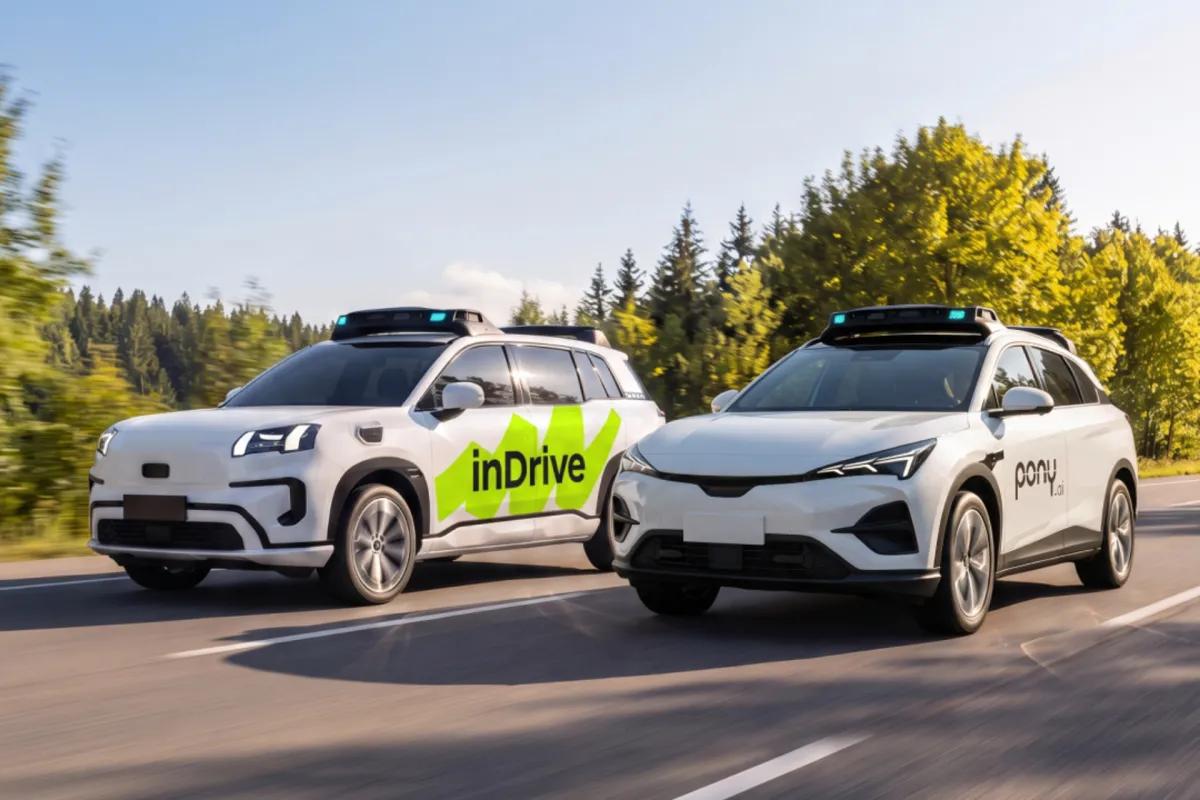
Source: TechCrunch
Kazakhstan Selected for Regulatory Framework and Extreme Testing Conditions
Kazakhstan was chosen as the initial test market following the introduction of the country's first structured legal framework for driverless transport.
5
The initiative aligns with Kazakhstan's broader push toward digitalization and AI adoption. Astana, home to approximately 1.7 million residents, presents a unique testing environment as the second-coldest capital in the world. "Launching here will provide an important opportunity to evaluate autonomous driving technology in challenging winter conditions," said inDrive founder and CEO Arsen Tomsky.2
The city faces months of snow and ice, posing significant challenges for autonomous vehicles. Success in these harsh winter conditions could offer valuable insights for expanding autonomous mobility to other locations facing similar environmental challenges.Testing Will Begin With Safety Operators Before Full Autonomy
The robotaxis in Kazakhstan will initially involve a safety operator during testing, with fully driverless rides as the eventual goal, according to inDrive CTO Yuri Misnik.
1
The companies plan to first assess technical, operational, regulatory and commercial feasibility before considering expansion to other cities in Kazakhstan and international markets where inDrive operates.2
No specific launch date has been announced beyond the first half of 2027 target. The agreement remains exploratory, requiring government approval before proceeding. "One of the main requisites for successful launch in our view is a favorable and collaborative regulatory environment to facilitate safe and sustainable testing on the roads," Misnik stated.1
Nvidia's AI Technology Aims to Lower Development Costs
Nvidia's contribution centers on its Hyperion platform, a reference architecture combining sensors and computing technology specifically designed for autonomous vehicles.
3
The platform could lower the cost of developing robotaxis by providing companies with a ready-made foundation rather than requiring them to build and integrate everything themselves. Nvidia also offers its Alpamayo software stack and tools to generate synthetic data and test autonomous driving systems across different scenarios. "Those savings are particularly relevant in emerging markets, where ride-hailing is already relatively affordable and autonomous services need to compete on cost," said Ali Kani, Nvidia's vice president of automotive.1
The announcement coincided with Nvidia CEO Jensen Huang's first visit to Kazakhstan.Ride-Hailing Platforms Shift Toward Platform Model
inDrive's approach reflects a broader industry trend where ride-hailing companies act as platforms connecting riders with driverless cars built by technology partners, rather than developing proprietary self-driving systems. "Our approach is capital-light by design," Misnik explained. "We work with a range of partners in different markets, combining their expertise with ours to deliver a better customer experience."
1
This model mirrors Uber's strategy, which has partnered with more than 30 autonomous vehicle companies. Uber announced plans with Pony.ai to test Gen-7 robotaxis in London on October 8, and is working with multiple robotaxi companies in other markets including the Middle East.1
In these partnerships, technology firms build the self-driving systems, fleet operators own and manage the cars, and ride-hailing platforms bring in customers.2
Related Stories

Pony.ai Expands International Footprint Beyond China
The Kazakhstan proposal adds to Pony.ai's ongoing push beyond China, where it already operates fully driverless commercial services in major cities.
3
The company aims to have more than 3,500 robotaxis operating in over 20 cities worldwide by the end of 2026, up from a fleet of 1,975 vehicles at the end of June.1
Pony.ai has deployed autonomous driving technology across Europe, the Middle East and Asia. Pony AI stock rose 2.8% to HK$38.50 following the announcement, recovering from recent losses in AI stocks.4
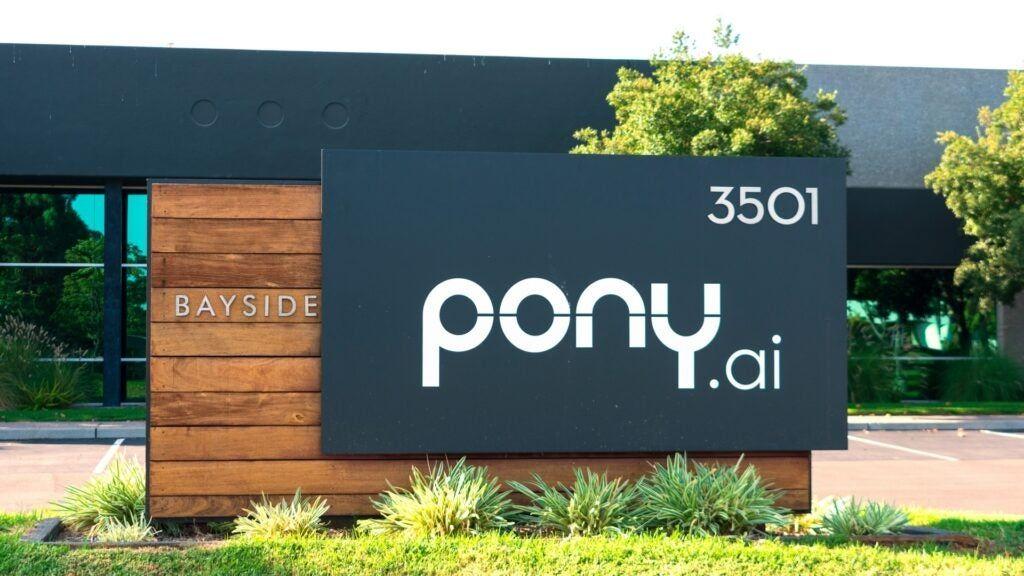
Source: Benzinga
inDrive Explores Multiple Markets for Autonomous Expansion
Kazakhstan is not the only market where inDrive is exploring robotaxis. In December, the company signed a separate agreement with Saudi Arabia's AI Driver to explore deploying autonomous vehicles powered by Chinese self-driving firm WeRide, starting with Riyadh, targeting a pilot in the first half of 2026.
1
inDrive operates in more than 1,200 cities across 47 countries and has expanded beyond ride-hailing into delivery, intercity transportation, and financial services. The company is known for letting passengers and drivers negotiate fares, raising questions about the role of drivers as platforms prepare for a future where part of their fleet may not need human operators. Tomsky said the company wants to understand "carefully and responsibly" how the technology could fit Kazakhstan's roads and communities, "and what it could mean for riders and drivers across our markets."2
References
Summarized by

Navi
[4]
Related Stories
Uber Expands Global Robotaxi Presence with Chinese Partnerships, Including Pony AI
07 May 2025•Technology

Pony.ai Expands Robotaxi Services to Hong Kong, Starting with Airport Operations
06 Jan 2025•Technology

Pony.ai Accelerates Autonomous Vehicle Deployment with Gen-7 Robotaxis and Dubai Partnership
07 Jul 2025•Technology

Recent Highlights



Recent Highlights
Today's Top Stories


Don’t drown in AI news. We cut through the noise - filtering, ranking and summarizing the most important AI news, breakthroughs and research daily. Follow topics that matter to you and stay ahead.


