Innovative MRI Technologies Revolutionize Pediatric Brain Imaging


2 Sources
[1]
Innovative technologies push pediatric MRI beyond diagnostics
Chinese Academy of SciencesJul 30 2025 From fetal stages through adolescence, the b;rain undergoes rapid, layered development -- from basic motor skills to complex emotional regulation. Yet this very dynamism, coupled with children's physical and behavioral traits, makes brain imaging
[2]
Silence, Speed, and Smarts: The MRI Innovations Shaping Child Brain Health | Newswise
Newswise -- From fetal stages through adolescence, the b;rain undergoes rapid, layered development -- from basic motor skills to complex emotional regulation. Yet this very dynamism, coupled with children's physical and behavioral traits, makes brain imaging extraordinarily difficult. Common
Share
Copy Link
A comprehensive review highlights cutting-edge developments in pediatric brain MRI, addressing unique challenges and pushing the technology beyond diagnostics into prediction and personalized care.
Revolutionizing Pediatric Brain Imaging
A groundbreaking review published in the World Journal of Pediatrics on May 25, 2025, has shed light on innovative technologies that are transforming pediatric brain MRI
1
. Led by Dr. Dan Wu from Zhejiang University, the research team outlines state-of-the-art developments in hardware, image acquisition, processing, and analysis specifically tailored for young brains.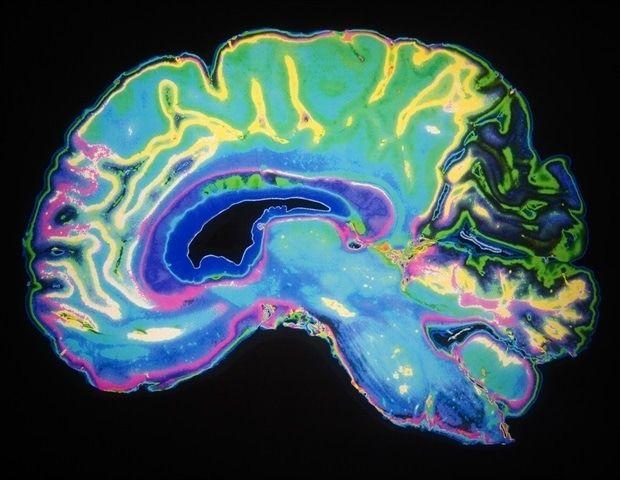
Source: News-Medical
Addressing Unique Challenges in Pediatric MRI
Traditional MRI approaches, designed for adult brains, face significant hurdles when applied to children. Motion artifacts, small anatomy, and sensitivity to noise or sedation are major challenges in pediatric imaging. The review highlights how these issues are being addressed through innovative technologies
2
.Technological Advancements
Several key innovations are driving progress in pediatric MRI:
-
Specialized Hardware: Radiofrequency coils sized and shaped for infants and children enhance image resolution and patient comfort. Wireless coils and incubator-compatible designs improve flexibility and safety.
-
Motion Correction: Technologies like self-navigated imaging, external optical tracking, and real-time motion correction significantly reduce artifacts caused by movement during scans.
-
Noise Reduction: Silent MRI protocols, noise-canceling hardware, and redesigned gradient coils address acoustic discomfort, allowing infants to sleep through procedures and reducing the need for sedation.
-
Faster Imaging: Techniques such as simultaneous multi-slice scanning and compressed sensing reduce scan time without compromising detail.
-
AI Integration: Deep learning algorithms play a central role in reconstructing sharper images, correcting for motion, and performing super-resolution enhancement.
Age-Specific Approaches

Source: Newswise
The field is moving towards age-specific imaging atlases and contrast protocols, recognizing the fundamental differences in brain structure and function across developmental stages. This tailored approach helps interpret what's "normal" at each age and detect subtle abnormalities sooner
1
.Related Stories




Beyond Diagnostics
These technological leaps are pushing pediatric MRI beyond diagnostics into prediction, prevention, and personalized care. Dr. Wu emphasizes, "We've made significant progress toward making MRI not only faster and more accurate, but also more humane. Our innovations reduce fear and discomfort, helping us see the brain more clearly and earlier"
2
.Future Implications
The advancements in pediatric MRI hold far-reaching potential:
- Routine developmental screening for conditions that benefit from early intervention.
- Support for large-scale studies linking brain development with genetics, environment, and behavior.
- Early identification of at-risk children before symptoms arise, enabling targeted therapy.
- Global extension of advanced neuroimaging to underserved populations, potentially transforming child health outcomes worldwide.
These innovations are set to rewrite what's possible in developmental neuroscience, offering new hope for understanding and treating pediatric neurological conditions.
References
Summarized by

Navi
[1]
Related Stories
Recent Highlights



Recent Highlights
Today's Top Stories



Don’t drown in AI news. We cut through the noise - filtering, ranking and summarizing the most important AI news, breakthroughs and research daily. Follow topics that matter to you and stay ahead.


