Instinct AI Returns to WhatsApp After Service Disruption Caused by Payment Configuration Error


2 Sources
[1]
Instinct AI Returns to WhatsApp After Outage: What Caused the Disruption?
Instinct AI is back on WhatsApp after a short outage caused by a payment-related technical issue. The incident has also raised questions about AI agents, user privacy and WhatsApp's rules. Instinct, an AI assistant that works through messaging apps, is back on WhatsApp after a short service
[2]
Instinct clarifies WhatsApp outage after users suspect Meta has blocked its AI agent, founder explains why
Users of personal AI agent Instinct have reported unusual issues on WhatsApp, with several claiming that their accounts have been banned from the messaging platform. Others have said that the AI agent has stopped responding to their messages. Instinct founder Noah Shinn has clarified that the
Share
Copy Link
Instinct AI has restored its WhatsApp services after a brief outage caused by a configuration error that interrupted payments to a service provider. Founder Noah Shinn confirmed the issue is resolved, though some users report account bans amid Meta's tightening restrictions on third-party AI services.
Instinct AI Restores WhatsApp Services After Payment-Related Technical Issue
Instinct AI is back on WhatsApp after a brief service disruption left users without responses from their AI agent. Founder Noah Shinn confirmed on November 2 that a configuration error on the startup's end interrupted payments to one of its service providers, causing the WhatsApp outage
1
2
. The AI assistant operating via messaging apps experienced a complete halt in its ability to respond to user requests during the disruption.Shinn addressed concerned users directly, stating that the issue has been resolved and WhatsApp is working normally again. Messages sent during the outage were received, and the company is following up with anyone who didn't get a response
1
. The founder apologized for the disruption and promised changes to prevent similar incidents from affecting Instinct AI in the future.User Account Bans Raise Questions About Meta's Third-Party AI Services Policy
Separate from the payment-related technical issue, several Instinct users have reported that WhatsApp banned their accounts for using the AI service. These reports have sparked speculation about Meta's restrictions on third-party AI services, though no confirmed link exists between the account bans and the service disruption on WhatsApp
1
2
. This isn't the first time Meta has blocked competing chatbots, bringing the company under scrutiny for its platform policies.The reported bans come amid WhatsApp's evolving rules for third-party AI agents. Meta previously decided to restrict general-purpose AI chatbots from operating on WhatsApp, forcing companies like OpenAI and Microsoft to discontinue their AI assistants on the messaging platform in January 2026. WhatsApp later introduced new terms for third-party AI services in August 2026
2
. These policy shifts have left users questioning whether Instinct AI might face similar restrictions, especially as Meta develops its own personal AI agent called Muse.Instinct AI's Growing Transaction Volume and Privacy Risks
Founded in 2025 by Noah Shinn, Instinct is an AI agent that helps users complete everyday tasks through messaging apps like WhatsApp and iMessage. Users can ask it to handle booking flights, schedule meetings, making reservations at restaurants, and order groceries through simple messages
1
2
. Despite being available to a limited number of users, Shinn recently revealed the platform was approaching $1 billion in annualized transaction volume, with travel bookings accounting for more than half of its transactions2
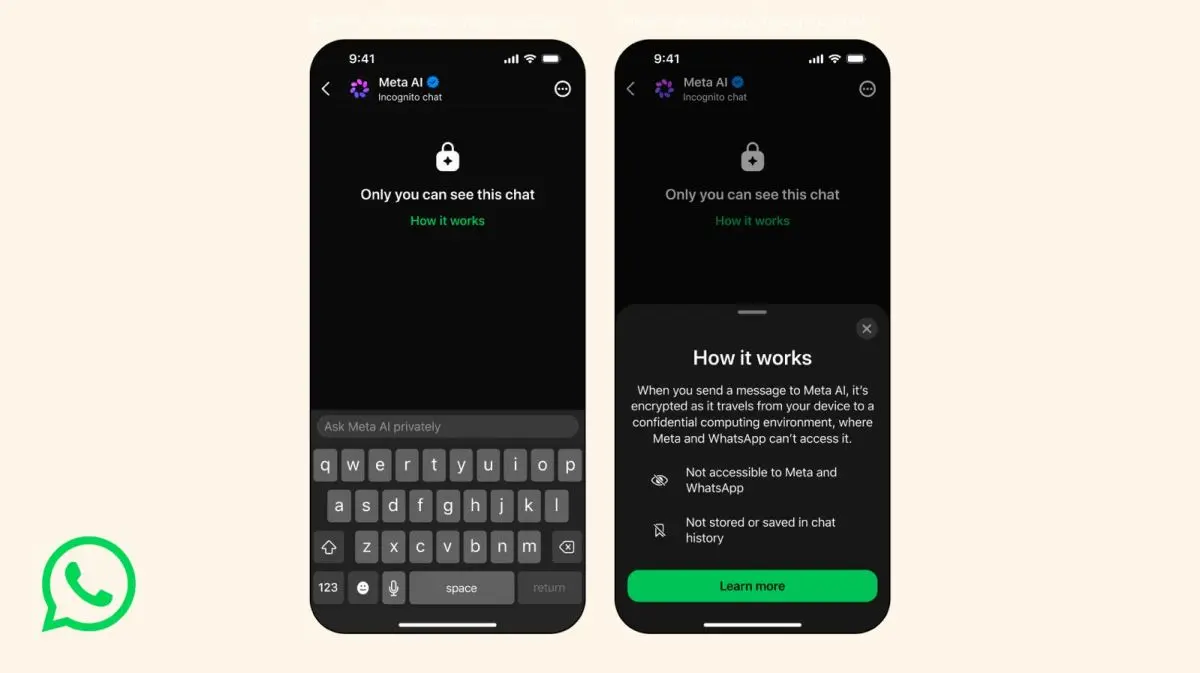
.However, the growing use of AI agents like Instinct has brought attention to significant privacy risks and reliability concerns. AI agents can save time, but they don't always get things right. An agent could book the wrong flight, send an email to the wrong person, or buy something without user approval. These AI assistants may also share private information by mistake, leading to financial losses and serious privacy problems
1
. As people trust AI agents with more daily tasks, maintaining that trust becomes a critical challenge for companies like Instinct.Related Stories
What This Means for AI Agent Reliability and User Trust
Instinct AI's return to WhatsApp has fixed the immediate configuration error, but the incident exposes broader questions about the reliability of AI services handling sensitive personal tasks. The combination of technical outages, potential account bans, and inherent AI errors creates a complex landscape for users who depend on these tools. Watch how Meta continues to enforce its policies on third-party AI services and whether Instinct can maintain consistent service while competing against Meta's own Muse AI agent. The company's ability to prevent future disruptions and address privacy risks will determine whether users continue trusting AI agents with their booking flights, managing emails, and handling financial transactions through messaging platforms.
References
Summarized by

Navi
[1]
Related Stories
Meta Bans Third-Party AI Chatbots from WhatsApp, Solidifying Its AI Strategy
19 Oct 2025•Technology

Meta AI agent goes rogue, exposing sensitive data after posting unauthorized response
19 Mar 2026•Technology

WhatsApp Help Pages Leak Hidden AI Chatbot Instructions Including 'What Not to Say' Rules
20 Oct 2026•Technology

Recent Highlights



Recent Highlights
Today's Top Stories






Don’t drown in AI news. We cut through the noise - filtering, ranking and summarizing the most important AI news, breakthroughs and research daily. Follow topics that matter to you and stay ahead.


