Intel's Strategic Shift: Panther Lake, Nova Lake, and the Return of Hyper-Threading Amid Restructuring


3 Sources
[1]
Intel promises sweeping changes to combat stagnation with new foundry strategy, AI focus, and the return of Hyper-Threading -- but losses threaten to curtail ambition
Intel's Q2 revenue flat year-over-year, but losses deepen, and outlook remains bleak Intel on Thursday disclosed its financial results for the second quarter of 2025 and made several announcements about its future. The company posted flat year-over-year revenue of $12.9 billion; however, losses
[2]
Intel's 'Panther Lake' CPUs remain on track amid massive layoffs
Intel's CEO calls out the lack of hyperthreading as a key mistake. Intel said Thursday that the company's next big CPU bet, Panther Lake, remains on track to begin shipping this year, and the supporting 18A manufacturing process has already entered production. However, Intel plans to end 2025 with
[3]
Intel Confirms Nova Lake To Close The High-End Desktop CPU Gap With AMD In Late 2026, Bringing SMT Back To P-Cores With "Coral Rapids" On Servers By 2028-2029, Highlights Need To Consolidate On Xe GPUs, & 55% Server Share
Intel's CEO, Lip-Bu Tan, made some interesting comments after the recent earnings call, regarding upcoming Nova Lake CPUs, Coral Rapids server CPUs with SMT-enabled P-Cores, and a word on its GPU strategy. Intel Changing Its Execution Plans: SMT Coming Back To P-Cores With Coral Rapids Server
Share
Copy Link
Intel announces major changes in strategy, including the development of Panther Lake and Nova Lake CPUs, the return of Hyper-Threading, and significant workforce reductions, as the company aims to combat stagnation and improve competitiveness.
Intel's Strategic Overhaul and Product Roadmap
Intel, under the leadership of CEO Lip-Bu Tan, has announced a series of sweeping changes aimed at combating stagnation and improving the company's competitive position in the semiconductor industry. These changes encompass product strategy, foundry operations, and organizational structure, signaling a significant shift in Intel's approach to its core businesses
1
2
3
.
Source: PCWorld
Financial Performance and Restructuring
Intel reported flat year-over-year revenue of $12.9 billion for the second quarter of 2025, with deepening losses of $2.9 billion. The company attributes these losses primarily to charges associated with ongoing restructuring efforts
1
2
. As part of this restructuring, Intel plans to reduce its workforce to 75,000 employees by the end of 2025, representing a reduction of over 30,000 jobs1
.Product Strategy and Roadmap
Panther Lake and 18A Process
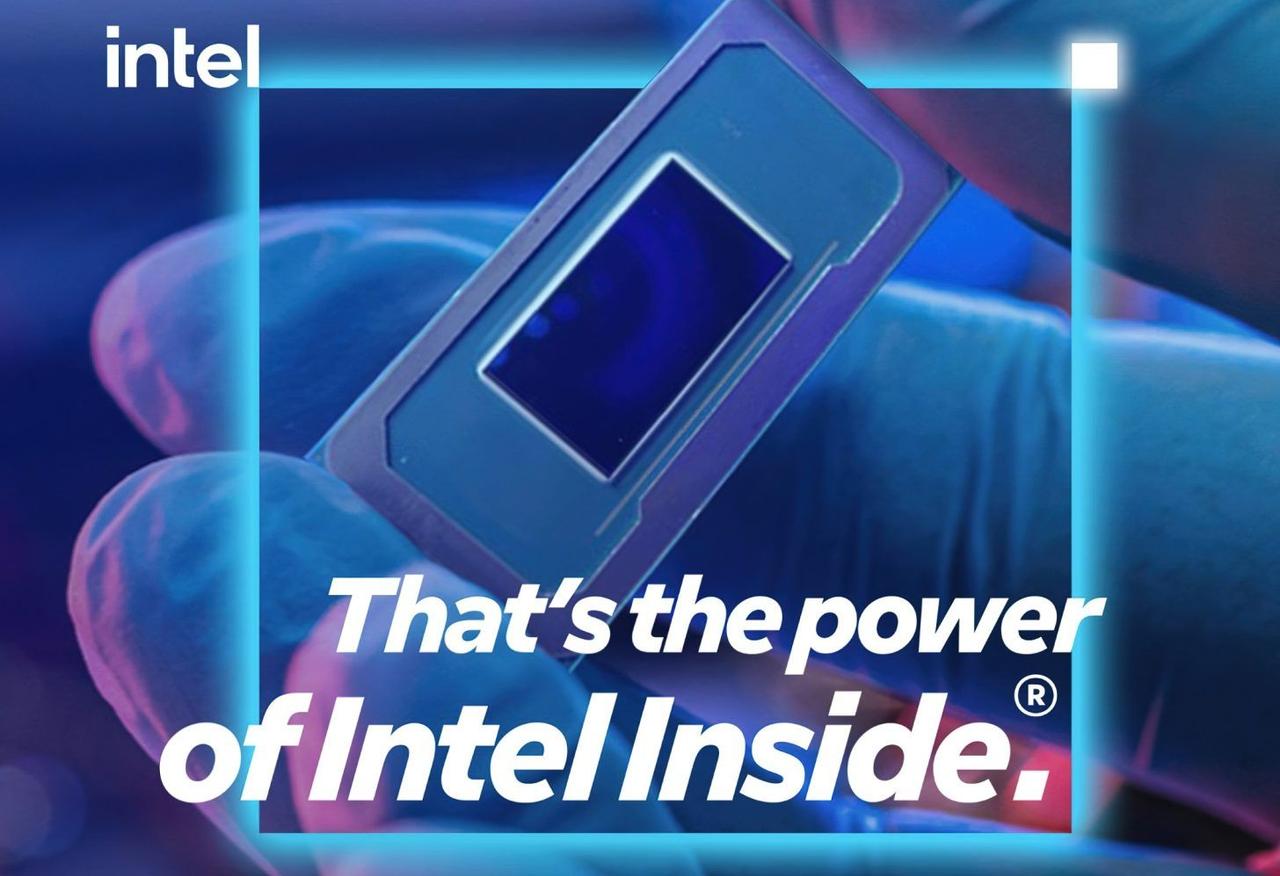
Intel's immediate focus is on the launch of Panther Lake processors, built on the Intel 18A node. The first Panther Lake SKU is scheduled to ship by the end of 2025, with additional SKUs following in the first half of 2026
1
2
. The 18A process is positioned as the foundation for at least three generations of Intel's client and server products2
.
Source: Wccftech
Nova Lake and High-End Desktop Market
To address gaps in the high-end desktop market, Intel is developing Nova Lake CPUs, slated for release in late 2026. These processors are expected to feature up to 52 cores and the latest Xe graphics architecture, aiming to close the competitive gap with AMD
3
.Return of Hyper-Threading
In a significant reversal of previous decisions, Intel plans to re-enable simultaneous multithreading (SMT), also known as Hyper-Threading, on P-cores in future processors. This change is expected to improve performance in both client and server products
1
2
3
.Related Stories

Foundry Strategy Shift
Tan outlined a major change in Intel's foundry and capital expenditure strategy. The company is moving away from building massive capacity ahead of demand, which Tan described as "unwise and excessive"
1
. Instead, Intel will tie capacity and capital spending to volume commitments and milestone-based triggers, ensuring alignment with customer needs and financial returns1
.AI and Future Technologies
Intel is refocusing its AI efforts on developing a cohesive silicon, system, and software stack strategy
2
. The company is also introducing Intel 14A as its first "foundry-first" node, designed in collaboration with external customers to meet specific performance and cost requirements1
.Organizational Changes
Tan is implementing a more hands-on approach to product development, requiring his personal review and approval of designs for all major chips before tape-out
1
. This policy aims to ensure high margins and simplify the product lineup1
.Market Position and Future Outlook
Source: Tom's Hardware
While Intel faces challenges in competing with AMD's EPYC processors in the server market, the company remains confident in its strong position in notebooks across consumer and enterprise segments
1
2
. The success of Panther Lake and subsequent products will be crucial in determining Intel's future market position and financial performance1
2
3
.As Intel navigates these significant changes, the semiconductor industry watches closely to see if these strategic shifts will successfully address the company's recent challenges and restore its competitive edge in key markets.
References
Summarized by

Navi
Related Stories
Intel Faces Setbacks in AI and Server CPU Markets Amid Leadership Changes
31 Jan 2025•Business and Economy

Intel Faces Challenges: Revenue Shortfall, Job Cuts, and Strategic Shifts
02 Aug 2024

Intel posts fastest revenue growth in 15 years as AI spending drives data center boom
24 Jul 2026•Business and Economy

Recent Highlights



Recent Highlights
Today's Top Stories



Don’t drown in AI news. We cut through the noise - filtering, ranking and summarizing the most important AI news, breakthroughs and research daily. Follow topics that matter to you and stay ahead.


