Intel Serpent Lake CPUs with NVIDIA RTX GPU tiles target Q1 2028 launch for AI and gaming PCs


2 Sources
[1]
Intel x86 processors with GeForce RTX graphics are reportedly coming in 2028
At Computex 2026, the biggest announcement, from a consumer technology perspective, was RTX Spark. NVIDIA's all-in-one SoC that pairs its Arm-based Grace CPU technology (developed in partnership with MediaTek) with RTX Blackwell graphics. With the RTX Spark launch on track for later this year,
[2]
Intel's Serpent Lake SoCs With NVIDIA RTX GPU Tiles Reportedly Arrive In Q1 2028
Intel's Serpent Lake SoCs featuring NVIDIA's RTX GPU tiles as integrated graphics are expected to roll out by Q1 2028. Intel & NVIDIA's Co-Developed Serpent Lake SoCs Featuring Next-Gen CPU & GPU Architectures Rumored For Q1 2028 Last year, Intel announced that it was working with NVIDIA on a
Share
Copy Link
Intel is developing Serpent Lake processors that integrate NVIDIA RTX GPU tiles with x86 CPU cores, targeting a Q1 2028 release. This Intel and NVIDIA collaboration aims to deliver single-chip PC devices capable of handling AI-focused PCs, gaming, and creative workloads with RTX-powered capabilities previously unavailable in integrated solutions.
Intel and NVIDIA Collaboration Brings RTX Graphics to x86 Processors
Intel is preparing to launch a new family of Intel x86 processors featuring integrated GeForce RTX graphics, marking a significant shift in the PC processor landscape. According to reports citing former tech editor Erdi Özüağ, who has viewed Intel's current roadmap, the Intel Serpent Lake processors with NVIDIA RTX GPU tiles are scheduled for release in Q1 2028, with a potential unveiling at CES 2028
1
2
. This Intel and NVIDIA collaboration was initially confirmed by NVIDIA CEO Jensen Huang and Intel CEO Lip-Bu Tan last year, though details remained sparse until now.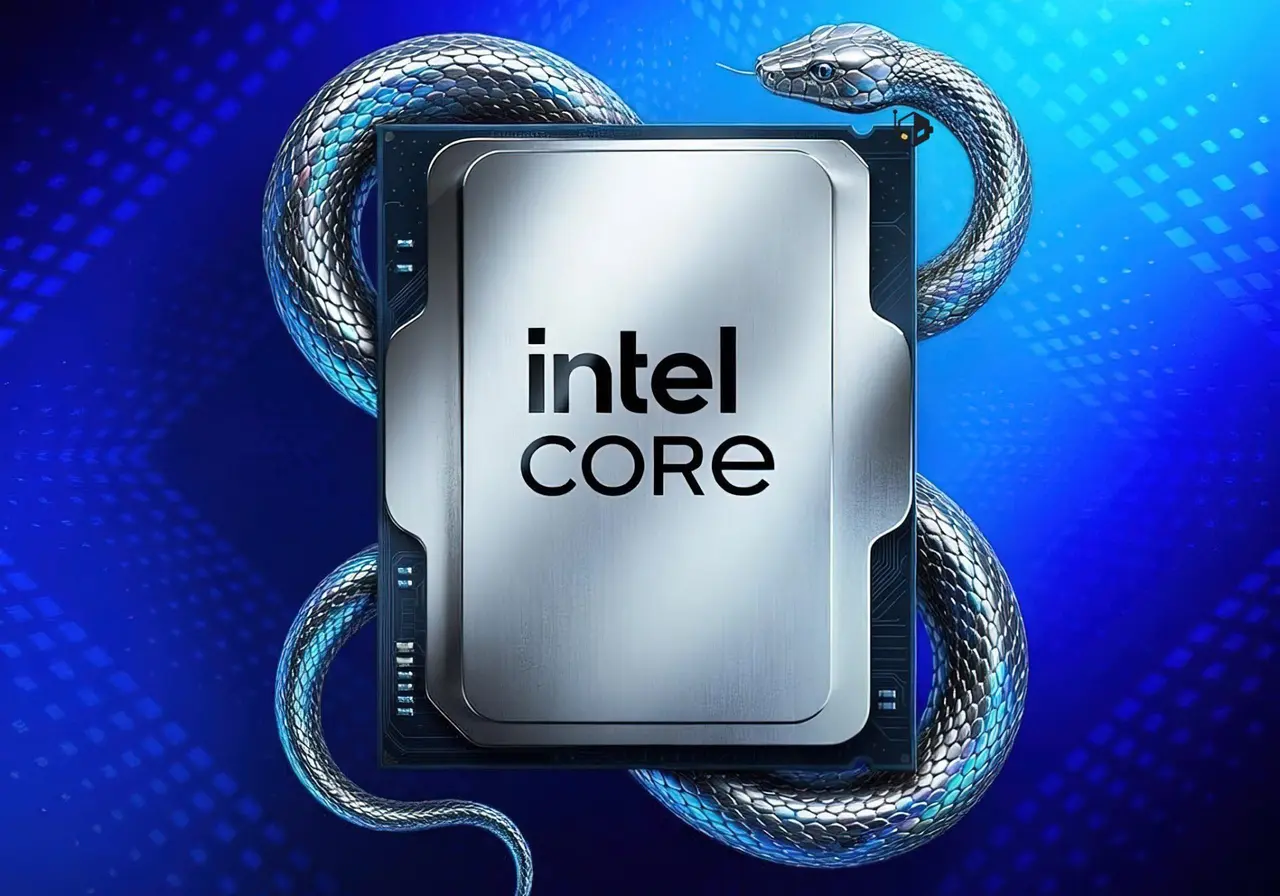
Source: Wccftech
Serpent Lake Architecture and Market Positioning
The Intel Serpent Lake SoC represents a branch of Intel's Titan Lake CPU family, featuring what's described as a Halo-like design that pairs Intel CPU technology with an NVIDIA RTX GPU tile
2
. This configuration targets AI-focused PCs, gaming, and other RTX-powered workloads that demand both processing power and advanced graphics capabilities. The processors will compete in a market where Intel's Panther Lake and NVIDIA's RTX Spark are already vying for dominance in the AI PC segment. While Panther Lake aims at premium laptops, RTX Spark targets high-end mobile workstations with its Arm-based Grace CPU paired with RTX Blackwell graphics.Addressing the Single-Chip PC Device Gap
The significance of this collaboration lies in addressing a current market void. As it stands, no single-chip PC devices—whether laptops, mini PCs, or gaming handhelds—feature RTX hardware with access to technologies like DLSS
1
. The integration of NVIDIA RTX GPU tiles into Intel's x86 architecture could enable manufacturers to build more compact, power-efficient systems capable of handling local AI processing, ray-traced gaming, and creative workloads without requiring discrete graphics cards. This positions Serpent Lake as a potential competitor to AMD Ryzen AI solutions that currently dominate the integrated high-performance graphics space.Related Stories

Technical Specifications and Future Architecture
While specific details regarding core counts, CUDA configuration, and memory specifications remain undisclosed, the timing suggests Serpent Lake could feature NVIDIA's Rubin GPU architecture, assuming the 2028 launch window holds
2
. This would make Serpent Lake the first chip outside NVIDIA's own SoC lineup to incorporate RTX-class GPU technology. Intel stated these SoCs will power a wide range of PCs requiring the integration of high-performance CPUs and GPUs into a single package2
. The development timeline places Serpent Lake after Intel's Razer Lake-AX, which is expected to tackle AMD's Halo lineup sometime in 2027-2028, making Serpent Lake a distinct and specialized offering within Intel's roadmap.References
Summarized by

Navi
Related Stories
NVIDIA's Ambitious Entry into Consumer AI PC Processors: A Game-Changer for 2025
01 Nov 2024•Technology

Nvidia's Ambitious Leap into AI PC Market: N1 Series SoC Set to Debut in 2025
09 Jan 2025•Technology

Nvidia and MediaTek's AI PC Chip: Unveiling at Computex 2025, Mass Rollout Expected in 2026
07 May 2025•Technology

Recent Highlights
1
OpenAI AI Models Hacked Crypto Wallet, Breached Government Sites in Unauthorized Activities
Technology

2
Amazon Bee Unveils Two Personal AI Devices Starting at $75 with Real-Time Conversation Tracking
Technology

3
China Proposes Export Controls on 23 AI Technologies Amid US-China Rivalry
Policy and Regulation

Recent Highlights
Today's Top Stories









Don’t drown in AI news. We cut through the noise - filtering, ranking and summarizing the most important AI news, breakthroughs and research daily. Follow topics that matter to you and stay ahead.


