Japanese Game Developers Hit 86% AI Adoption, Up from 51% in Just One Year


3 Sources
[1]
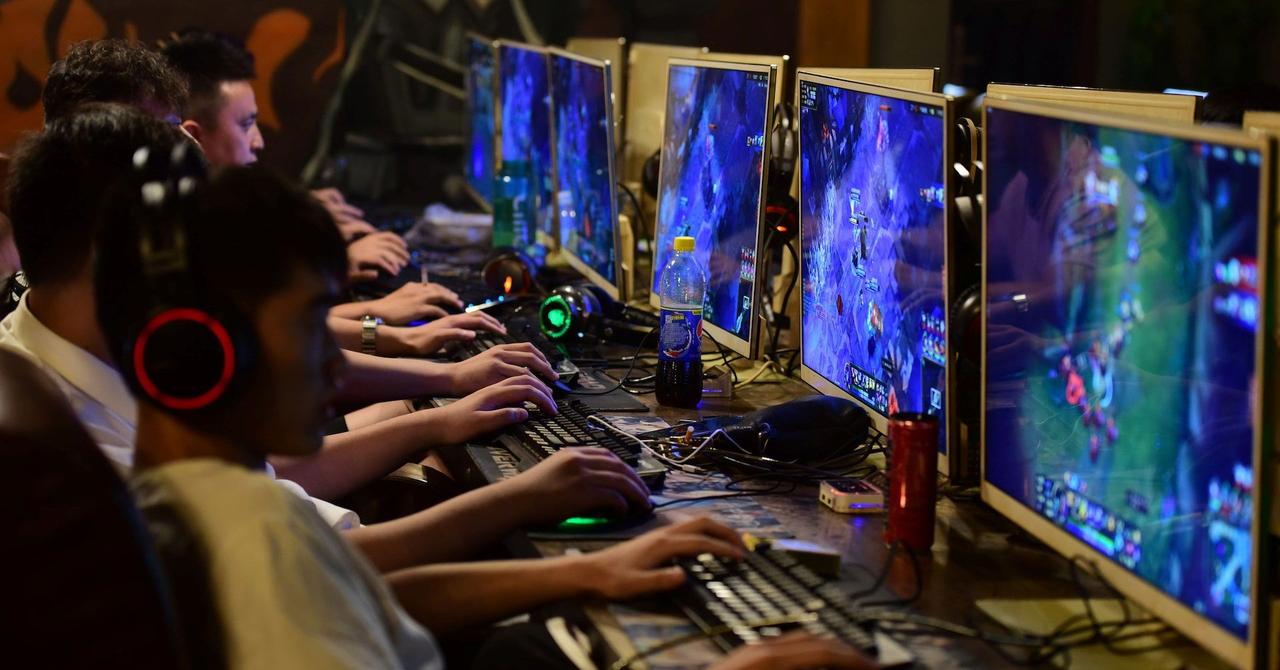
Almost 86% of Japanese game developers are using AI in their workflows, up from 51% in 2025
Serving tech enthusiasts for over 25 years. TechSpot means tech analysis and advice you can trust. In context: With AI coding assistants becoming an integral part of the software development process for professional programmers, many video game devs are reportedly using generative AI regularly in
[2]
Dueling industry surveys show Japanese game devs are embracing AI, while North American ones are still skeptical
As reported by Automaton, the 2026 CESA Videogame Industry Report, a survey-based assessment of the Japanese games business, shows a sharp uptick in AI adoption by Japanese developers: 85.8% in 2026, up from 51% just last year. In July, a separate survey covering just online game devs showed a 100%
[3]
Almost 86 percent of Japanese game developers now use generative AI
Generative AI has rapidly become a routine part of game production in Japan. A new industry survey shared at Tokyo Game Show 2026 found that 85.8% of Japanese game developers now use generative AI in their work, up sharply from 51% just a year earlier. The figures come from a preview of the 2026
Share
Copy Link
Japan's gaming industry shows explosive generative AI adoption at 85.8% in 2026, up from 51% in 2025, according to the CESA Videogame Industry Report. Developers at Capcom, Sega, Sony, and other major studios cite efficiency gains and cost reduction as primary benefits, while maintaining strict human oversight protocols.

Japanese Game Developers Lead Global AI Adoption Surge
Japanese game developers have embraced generative AI at an unprecedented rate, with 85.8% now integrating these tools into their workflows according to the 2026 CESA Videogame Industry Report presented at Tokyo Game Show.
1
This marks a dramatic 70% increase from last year's 51% adoption rate, signaling a fundamental shift in how Japan's gaming industry approaches development.2
The Computer Entertainment Suppliers Association survey, which polled developers from industry giants including Capcom, Sega, Level-5, Konami, Square Enix, Koei Tecmo, and Sony, reveals that 63% of respondents use AI tools daily, while 22.8% deploy them occasionally.
3
This aggressive AI adoption in Japan stands in stark contrast to North America, where only 36% of developers reported using AI tools according to the GDC 2026 survey.2
How Studios Deploy AI in Game Development
The application of generative AI extends far beyond simple content generation. Japanese developers primarily leverage these tools for programming assistance, automated testing, debugging, error correction, and visual asset creation.
1
The 2025 survey identified visual asset creation and game engine development as the most common use cases, though the 2026 preview hasn't broken down current applications in the same detail.3
Developers cite improved operational efficiency and productivity as the primary benefit, followed by shorter development cycles and reduced development and operational costs. Almost all respondents denied using AI-generated output directly in their code, emphasizing that AI tools remain restricted to support functions.
1
This approach spans documentation, localization, testing, prototyping, and internal ideation rather than shipping raw AI-generated content.3
Human Oversight Remains Central to AI Workflows
Despite widespread AI adoption, Japanese studios maintain strict human oversight in AI workflows. All AI usage is confirmed, modified, and supervised by human developers to prevent abuse, with studios implementing restrictions on which AI tools can be used and how extensively.
1
Human verification, correction, and supervision remain standard practice, along with an explicit avoidance of shipping generated output without review.3
This measured approach ensures humans remain responsible for creative decisions and final quality assessments, addressing concerns about player trust and maintaining the artistic integrity that Japanese gaming studios are known for.
1
Related Stories

Regional Divide: Japan vs North America on AI
The contrast between AI adoption in Japan versus North America reveals a significant cultural and operational divide. While Japanese developers have reached 85.8% adoption, North American developers remain skeptical, with 52% of GDC survey respondents believing generative AI negatively impacts the industry.
2
This skepticism extends to players in English-speaking markets, where AI-generated assets in retail games are often perceived as tacky and cheap.2
A separate Google Cloud-commissioned study of 615 developers across the US, South Korea, Norway, Finland, and Sweden found that 87% were already using AI agents in their workflows, suggesting global adoption patterns vary significantly by region and company size.
3
Copyright and Intellectual Property Concerns Loom
CESA Executive Director Tsutomu Masuda acknowledged that while generative AI is being widely and steadily adopted in development environments, the industry must address copyright and intellectual property concerns as adoption continues.
3
He cautioned that the adoption of new technologies must not compromise intellectual property rights, highlighting the legal and ethical challenges that accompany this technological shift.1
Sony has separately stated it views AI as a tool to support PlayStation Studios rather than replace its people, though public sentiment remains critical, particularly regarding technologies that opt streamers into AI training by default or turn game characters into AI models.
3
The full CESA report, scheduled for release in December, will provide more detailed insights into how studios are navigating these challenges while maintaining efficiency and cost benefits of AI tools.References
Summarized by

Navi
[1]
Related Stories
AI Revolution in Japanese Game Development: Over Half of Companies Embrace the Technology
29 Sept 2025•Technology

Over Half of Game Developers Now Say Generative AI Is Harming the Gaming Industry
29 Jan 2026•Business and Economy

AI Agents Revolutionize Game Development: 87% of Developers Already on Board
19 Aug 2025•Technology
Recent Highlights
1
Meta Unveils Muse Wonder Frontier AI Models, Claims Performance Matching OpenAI and Anthropic
Technology

2
IMF Report Warns AI Market Correction Could Spark Global Financial Crisis With $1.4T at Risk
Business and Economy

3
OpenAI Releases 722 AI-Generated Math Solutions, Triggering Existential Crisis in Mathematics
Technology

Recent Highlights
Today's Top Stories








Don’t drown in AI news. We cut through the noise - filtering, ranking and summarizing the most important AI news, breakthroughs and research daily. Follow topics that matter to you and stay ahead.


