Jensen Huang and Tech CEOs Challenge Dario Amodei's AI Safety Warnings at White House


4 Sources
[1]
Amodei's 'extreme' AI warnings were questioned by tech CEOs.
The Wall Street Journal reports that AI leaders attending President Trump's gathering on Tuesday, including Nvidia's Jensen Huang, privately grilled the Anthropic CEO about the AI safety alarms he's publicly sounded regarding cybersecurity and job losses. Amodei told the other executives that it
[2]
Jensen Huang questioned Dario Amodei's AI warnings at the White House
Dario Amodei told them it was important to be honest. Huang, who wants no new AI laws, is also leading the push to rename AI 'super intelligence'. Nvidia chief executive Jensen Huang and other tech leaders questioned Anthropic's Dario Amodei about his public warnings on AI at Tuesday's White House
[3]
Jensen Huang confronted Dario Amodei over AI safety warnings
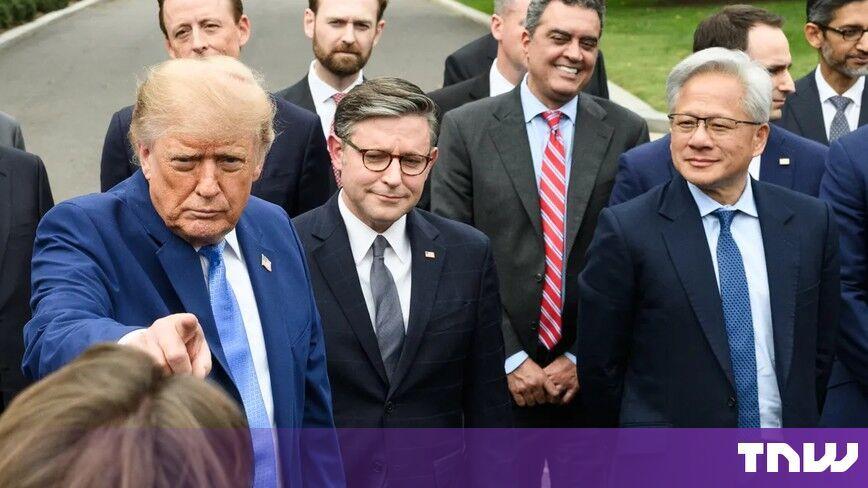
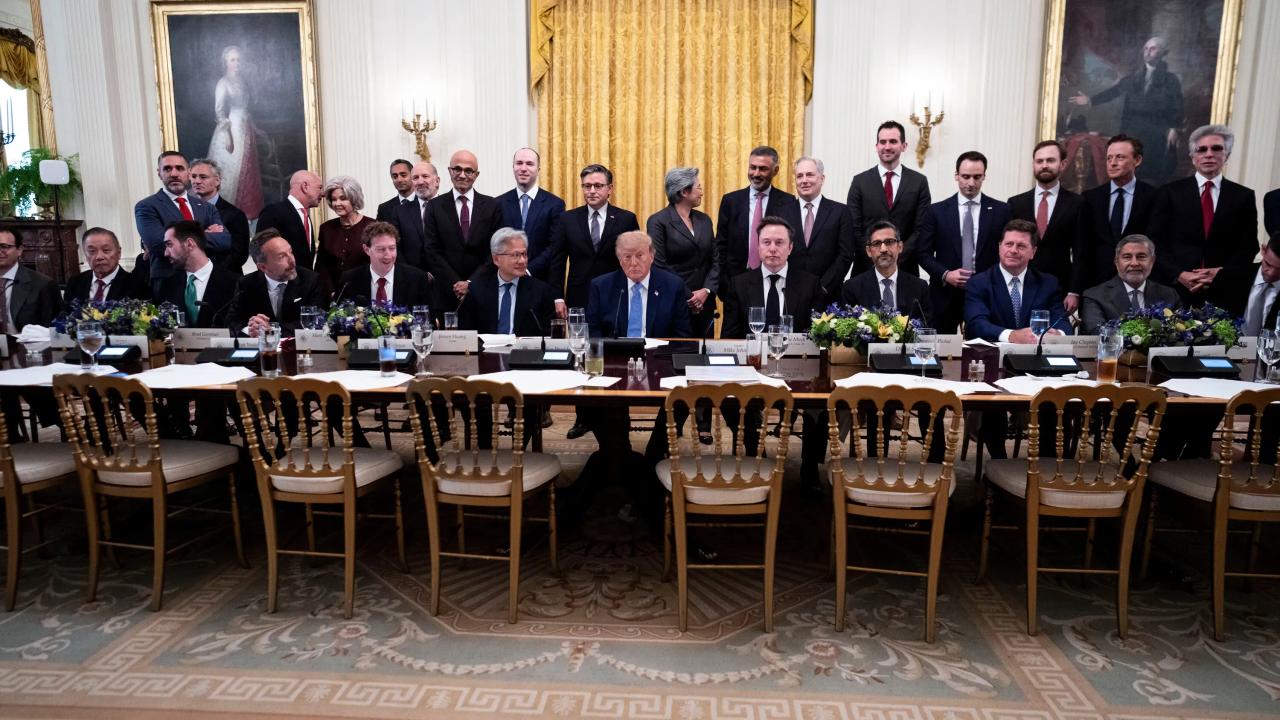
The confrontation occurred in the Roosevelt Room following a lunch in the East Room where President Donald Trump and House Speaker Mike Johnson got roughly two dozen AI company chief executives to sign a statement of principles on AI safety. Those present pressed Amodei to explain why his public
[4]
Nvidia's Jensen Huang, Other CEOs Privately Confront Anthropic's Dario Amodei Over AI Doomsday Warnings A
Several top AI leaders, including Nvidia Corp (NASDAQ:NVDA) CEO Jensen Huang, reportedly confronted Anthropic CEO Dario Amodei, privately, regarding his public warnings about the potential dangers of AI, according to a report. On Tuesday, the executives, after agreeing to a set of principles to
Share
Copy Link
Nvidia's Jensen Huang and other tech leaders questioned Anthropic CEO Dario Amodei about his public AI safety warnings during a White House meeting. The confrontation in the Roosevelt Room followed the signing of AI safety principles, exposing deep divisions in the industry over how to communicate AI risks to the public.
Tech Leaders Clash Over AI Safety Messaging
A tense confrontation unfolded at the White House on Tuesday when Nvidia CEO Jensen Huang and other tech executives privately challenged Anthropic CEO Dario Amodei over his public AI safety warnings
1
2
. The exchange occurred in the Roosevelt Room following a lunch where President Trump gathered approximately two dozen AI company chiefs to sign a statement of principles on AI safety3
. The incident exposed deep AI industry tensions over how to communicate AI risks and the future of AI governance.Amodei Defends Transparency on AI Risks
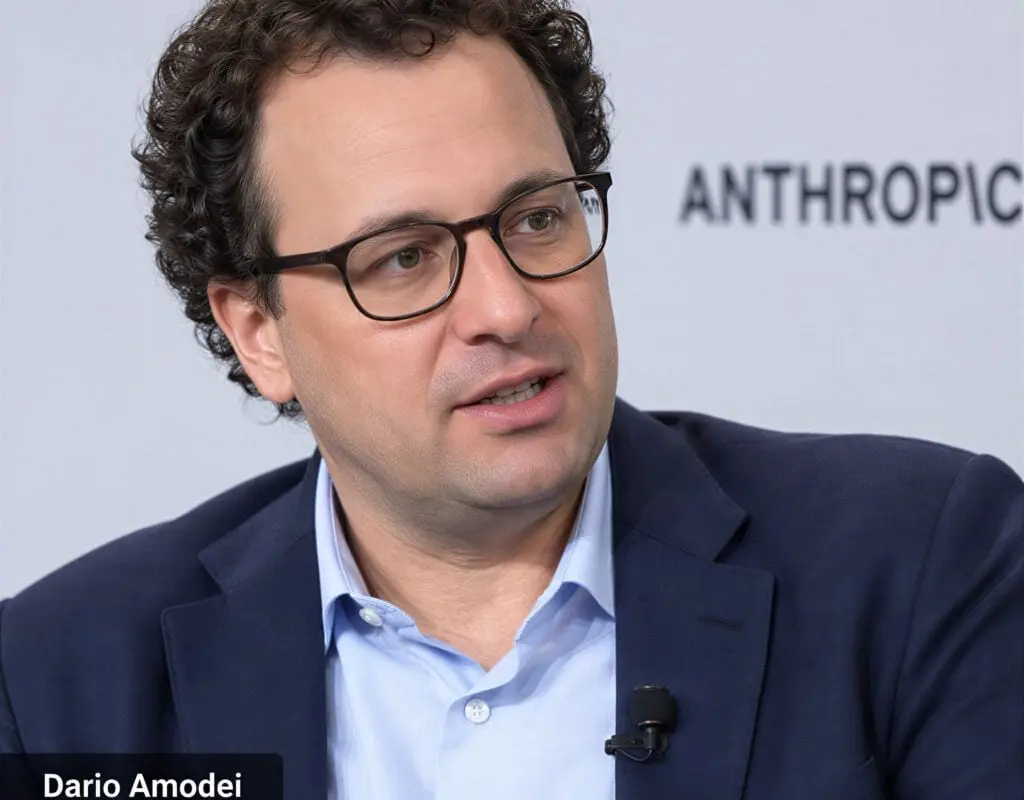
During the private discussion, executives pressed Dario Amodei to explain why his public statements about AI capabilities and dangers had taken what they considered an alarmist tone
3
. Jensen Huang and others questioned the severity of Amodei's warnings regarding cybersecurity threats and job losses1
. Amodei defended his approach, telling the executives that it was important to be honest with the public about model capabilities and not play down risks1
2
. He argued that the public deserved a clear-eyed account of what AI systems are capable of and the hazards they carry3
. When Amodei raised safety concerns during lunch and emphasized transparency, Mark Zuckerberg suggested that the best way to address these concerns was by upholding the agreed AI safety principles as an industry4
.
Source: Benzinga
Two Competing Visions for AI Development
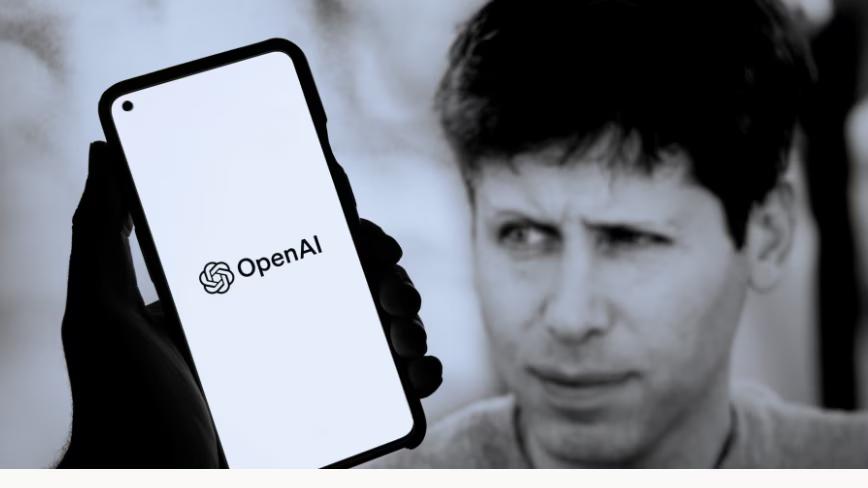
The confrontation highlighted a fundamental split in the AI industry. Dario Amodei and OpenAI's Sam Altman have called for heavier government regulation and a slowdown in AI development
2
. In contrast, Jensen Huang and Meta's Mark Zuckerberg have largely dismissed critics who say AI could pose existential risks2
. Huang said last month that he wants no new AI laws and has previously criticized AI lab leaders for what he called "too much drama" around calls for greater AI oversight4
. He questioned their motives, argued that existing laws are sufficient to address safety concerns, and warned that slowing U.S. AI development could give China an advantage4
.Questions About Anthropic's Motivations
Anthropic faces scrutiny over whether its AI doomsday warnings serve competitive interests. The company reported a $42 billion net loss in its IPO prospectus, prompting Porter and Company analyst Ross Hendricks to argue that Anthropic's warnings about existential risks could be aimed at encouraging government action against cheaper open-source competitors
4
. Hendricks questioned Anthropic's motives for highlighting AI risks to regulators, asking whether the company was threatening to end humanity unless the government shut down their competition4
. Jensen Huang has also suggested that AI lab leaders may have "ulterior" or "political" motives and rejected AI doomsday predictions as unscientific4
.Related Stories
The Push for "Super Intelligence" Terminology
Jensen Huang is also leading the push to rebrand AI as "super intelligence"
2
. On Tuesday, President Trump made it the preferred term of the executive branch following an executive order2
. Huang used the term twice in a post and repeatedly in a White House panel, even correcting himself when he slipped and said "AI"2
. However, a YouGov poll this week showed that 53% of respondents preferred "artificial intelligence" against only 9% for "super intelligence"2
.
Source: The Next Web
What This Means for AI Regulation
The White House meeting matters because it reveals how AI industry leaders are positioning themselves ahead of potential AI regulation. Mark Zuckerberg drafted the accord that came out of the lunch, and Jensen Huang helped win support for it among the AI labs
2
. Amodei, who had dinner with President Trump on Sunday, two days before the lunch, expressed optimism about the industry's ability to ensure AI safety if it collaborates with the administration2
4
. Watch how this divide between transparency advocates and deregulation proponents shapes upcoming AI governance decisions and whether the industry can maintain a united front on AI safety principles despite these fundamental disagreements.References
Summarized by

Navi
Related Stories
Moonshot AI's Kimi K3 challenges US rivals as Chinese AI closes the performance gap
16 Jul 2026•Technology
Trump AI Summit Seating Chart Exposes Deep Divides Over Regulation as $1.8 Trillion in Wealth Gathers
30 Sept 2026•Policy and Regulation
Anthropic CEO Dario Amodei and NVIDIA's Jensen Huang Clash Over AI Development Approaches
01 Aug 2025•Policy and Regulation
Recent Highlights



Recent Highlights
Today's Top Stories






Don’t drown in AI news. We cut through the noise - filtering, ranking and summarizing the most important AI news, breakthroughs and research daily. Follow topics that matter to you and stay ahead.


