5 Sources
[1]
Judge kills xAI trade secret case against OpenAI
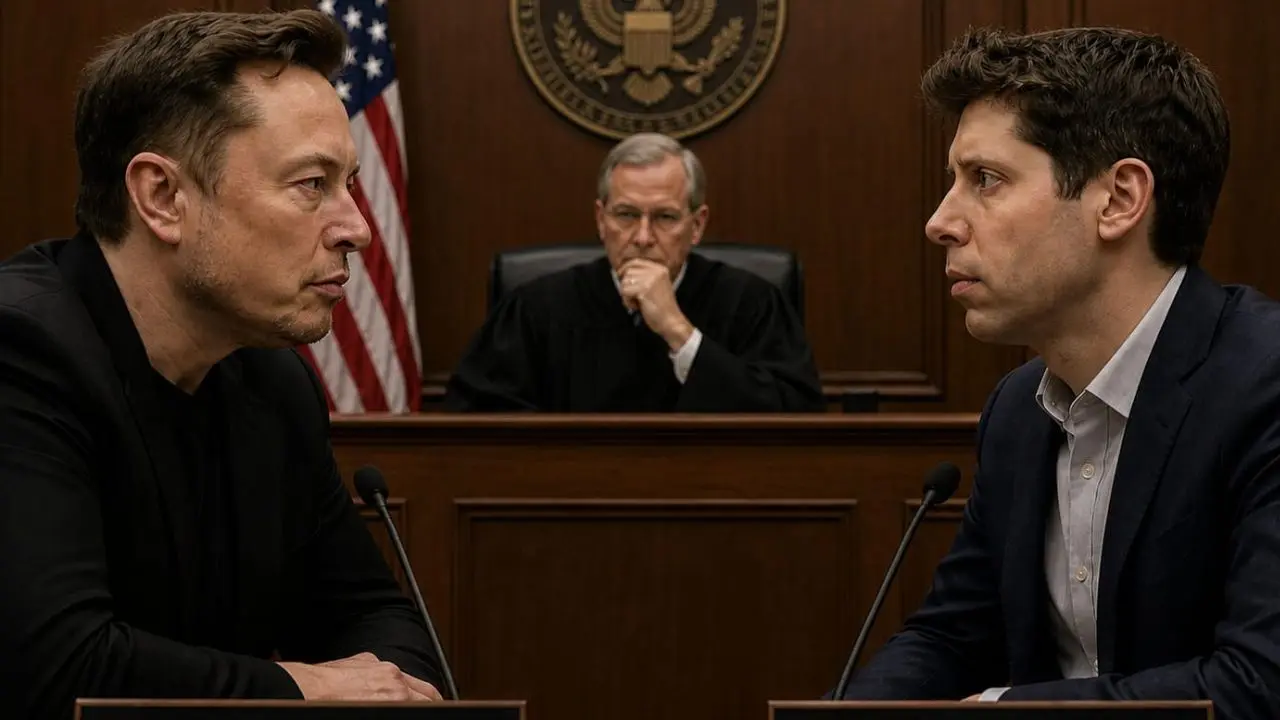
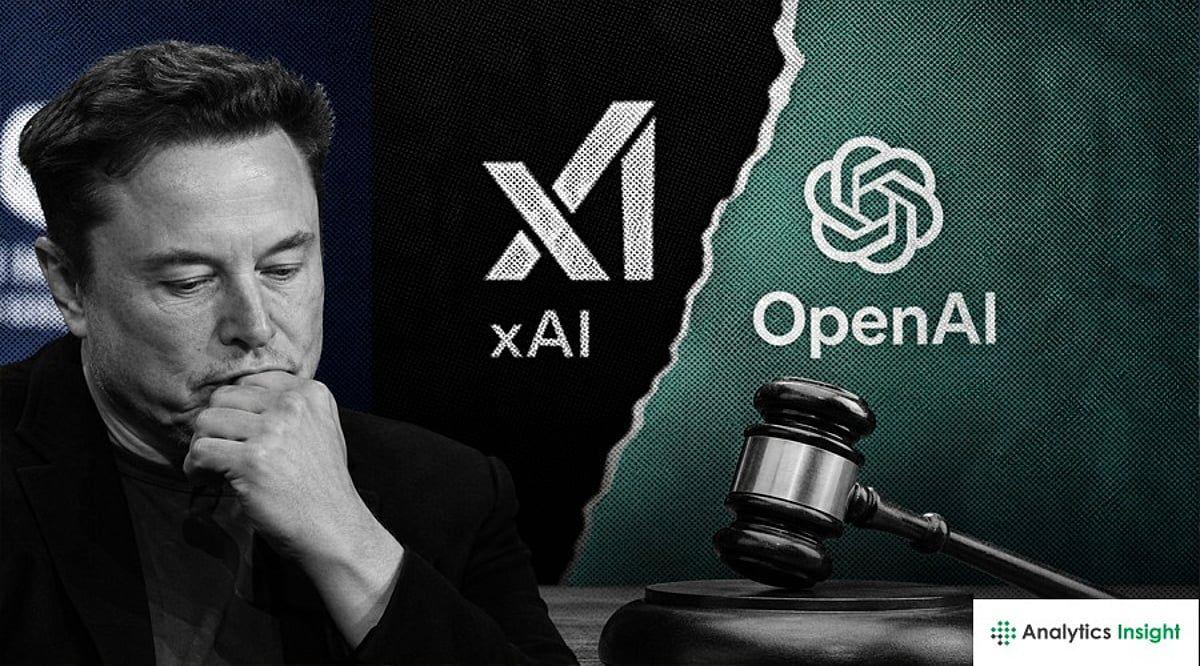
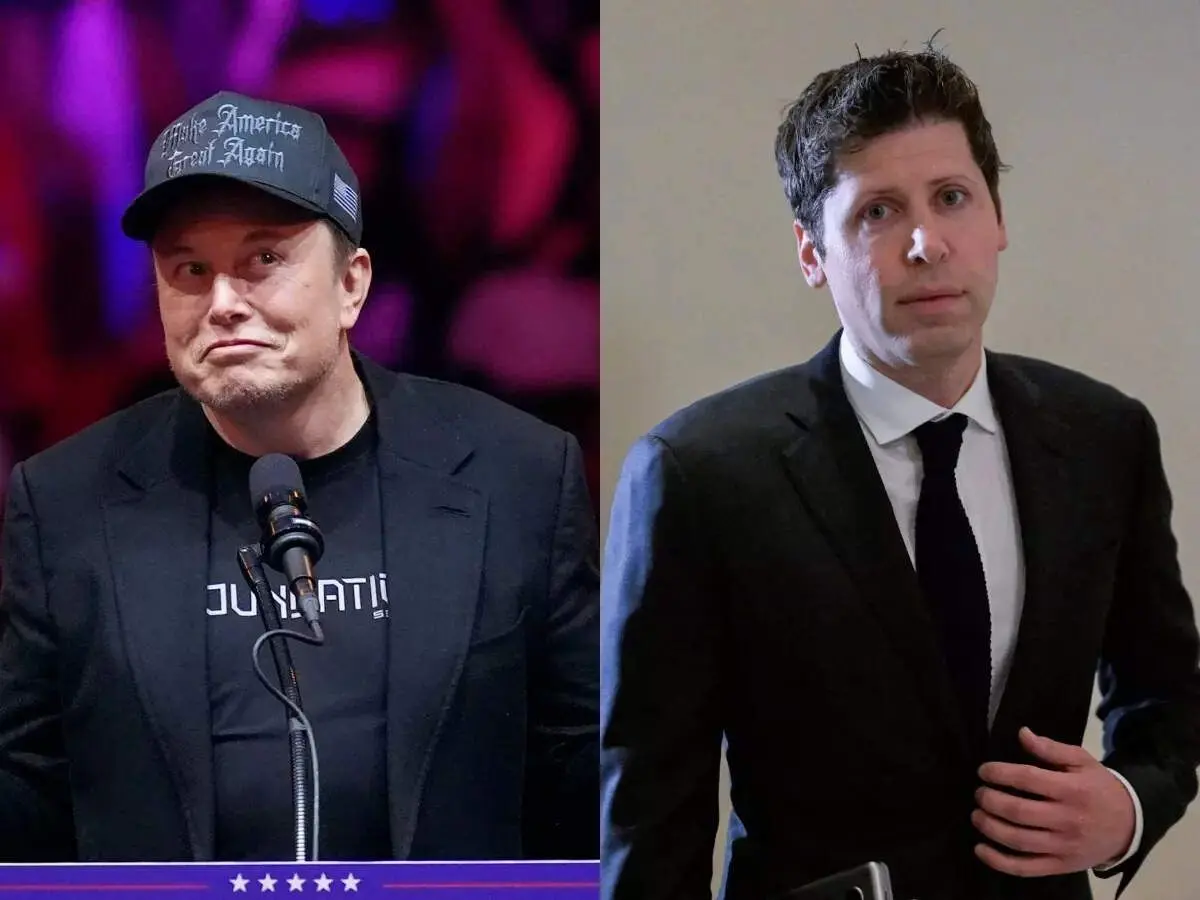
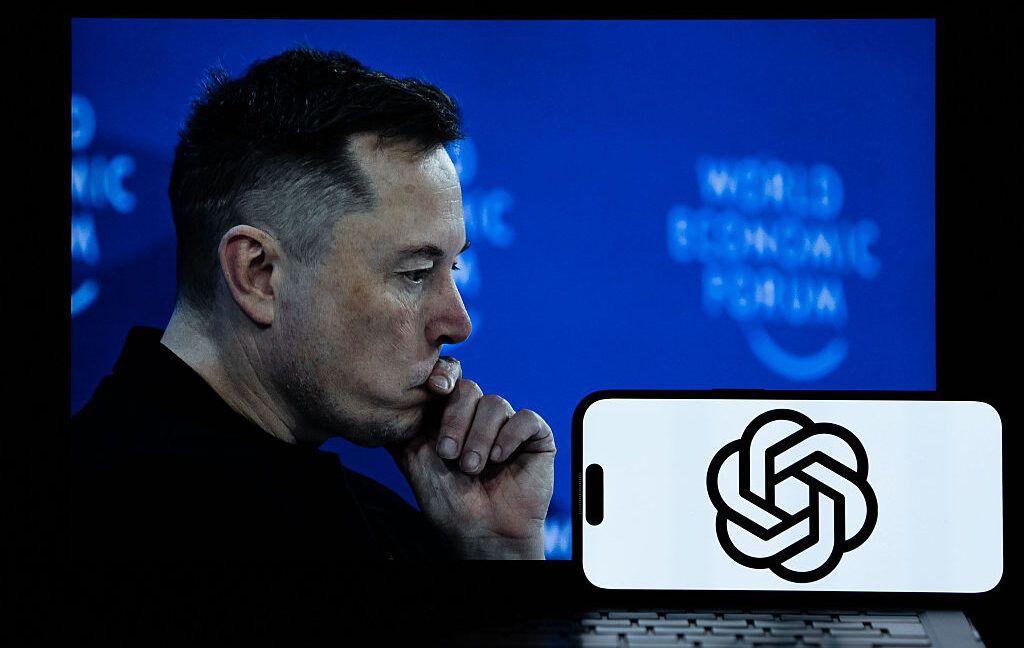
A federal judge dismissed xAI's trade secret lawsuit against OpenAI with prejudice, ruling it would be "futile" to continue. It is Musk's second court loss against OpenAI in four weeks, following the May jury verdict that rejected his $150 billion claim on statute of limitations grounds. A federal judge has permanently killed xAI's lawsuit accusing OpenAI of stealing trade secrets related to the Grok chatbot. US District Judge Rita Lin dismissed the case with prejudice on Monday, meaning xAI cannot bring the same claims again. Lin said xAI failed to show that OpenAI induced former xAI senior engineer Xuechen Li to divulge confidential information, or that OpenAI engineers even knew Li might have disclosed any. Allowing further amendment, she wrote, would be "futile." A routine interview, not espionage The case turned on a presentation Li gave while OpenAI was recruiting him. xAI alleged OpenAI sought secrets related to the July 2025 release of Grok 4, claiming its own ChatGPT update "could not compete" on complex reasoning and that it was "lagging" in the reinforcement learning techniques Li understood. Lin was not persuaded. Asking job candidates to discuss their previous work is routine, she wrote. "To hold otherwise would potentially expose employers to liability any time they inquire about a candidate's past work," Lin said. A devastating line from opposing counsel OpenAI has maintained that Li never worked for the company and that it never acquired xAI's secrets. In its filing seeking dismissal, OpenAI's lawyers wrote: "OpenAI does not need or want anyone's trade secrets, especially not from xAI, which is failing in the marketplace and hemorrhaging talent." That barb has an uncomfortable amount of evidence behind it. All 11 of xAI's original co-founders have now left the company, which was absorbed into SpaceX in a $1.25 trillion combined deal in February. Musk himself has said xAI "was not built right first time around" and needs to be rebuilt from the ground up. Two defeats in four weeks Monday's ruling is Musk's second legal loss against OpenAI since mid-May. On 18 May, a federal jury in Oakland unanimously rejected his $150 billion lawsuit accusing Sam Altman of betraying OpenAI's original charitable mission. The 11-day trial ended abruptly when the jury deliberated for less than two hours and found Musk had simply filed his claims too late. His legal team has said it will appeal. What the ruling means for AI hiring Lin's reasoning carries implications beyond this one dispute. AI companies routinely recruit from each other, and candidates routinely discuss their prior work in interviews. The ruling affirms that this does not, on its own, constitute trade secret misappropriation. Li is being sued separately by xAI and has denied wrongdoing. That case remains active. For Musk, the courtroom scoreboard against OpenAI now reads 0-2. The internal documents surfaced during the May trial, including co-founder Greg Brockman's journals describing the nonprofit mission as "a lie," may still complicate OpenAI's path to IPO. But as a legal strategy, Musk's campaign to dismantle his former company through the courts has produced nothing but defeats.
[2]
Elon Musk Loses Again to OpenAI as Judge Dismisses xAI Trade Secret Lawsuit
The ruling follows Musk's loss in a separate lawsuit accusing OpenAI of abandoning its nonprofit mission. A federal judge has dismissed xAI's trade secret lawsuit against OpenAI, finding that Elon Musk's AI company -- which he's since folded into SpaceX -- failed to show that the ChatGPT maker improperly obtained confidential information related to its Grok chatbot. In a court order on Monday, U.S. District Judge Rita Lin granted OpenAI's motion to dismiss without leave to amend, concluding that xAI failed to prove OpenAI encouraged a former xAI engineer to disclose trade secrets during the recruiting process. "xAI insufficiently pled inducement in the prior complaint because it offered no nonconclusory allegations allowing a reasonable inference 'that OpenAI told or encouraged' xAI's former employees to exfiltrate its confidential information," the order said. The decision is the second defeat that Musk -- who co-founded OpenAI before departing in 2018 -- has suffered in his ongoing feud with OpenAI and CEO Sam Altman. Last month, a federal jury rejected Musk's $150 billion lawsuit alleging that OpenAI, Altman, and co-founder Greg Brockman abandoned the organization's founding nonprofit mission by shifting toward a commercial structure and deepening its relationship with Microsoft. This latest lawsuit centered on a presentation Xuechen Li, a former xAI engineer, gave while being recruited by OpenAI, which xAI alleged the ChatGPT developer targeted because of his work on Grok 4's reinforcement learning and post-training systems. The complaint accused OpenAI of knowingly seeking confidential information about those efforts. Lin rejected that argument, writing that "merely asking Li to discuss his previous work -- a routine part of the hiring process -- does not allow a plausible inference that OpenAI induced Li to reveal anything confidential or secret about that work." She added that accepting xAI's theory could "potentially expose employers to liability any time they inquire about a candidate's past work." The judge also found that xAI failed to show OpenAI knew or should have known Li disclosed trade secrets during the presentation. "These allegations are insufficient to support a reasonable inference that OpenAI knew or should have known that Li disclosed xAI trade secrets during his presentation," Lin wrote. "It is not clear how much detail Li shared about xAI's reinforcement learning techniques. Similarly, while xAI does not allege that Li actually displayed the slide deck during his presentation, even assuming he did, the level of detail contained in the slides remains unclear." The decision also comes as Musk became the world's first trillionaire following SpaceX's record-breaking IPO, which valued the company at around $1.77 trillion and cemented the rocket company's position as one of the world's most valuable firms. SpaceX (SPCX) shares continued to soar Monday amid a broader market surge following the announcement of a ceasefire between the U.S. and Iran, rising nearly 20% by close to finish the day at $192.50. That gives the firm a valuation above $2.5 trillion.
[3]
US judge dismisses Elon Musk's xAI trade secret lawsuit against OpenAI
U.S. District Judge Rita Lin in San Francisco said xAI failed to show that OpenAI induced former xAI senior engineer Xuechen Li to divulge confidential information related to its Grok chatbot, or that OpenAI engineers knew Li might have disclosed any. A federal judge dismissed a lawsuit on Monday by Elon Musk's artificial intelligence company xAI that accused rival Sam Altman's OpenAI of stealing trade secrets for chatbots. U.S. District Judge Rita Lin in San Francisco said xAI failed to show that OpenAI induced former xAI senior engineer Xuechen Li to divulge confidential information related to its Grok chatbot, or that OpenAI engineers knew Li might have disclosed any. Lin dismissed the lawsuit with prejudice, saying it would be "futile" to continue. She dismissed an earlier version in February. The lawsuit originally filed in September focused on broader alleged misappropriation of confidential information, including source code, when xAI employees left for jobs at OpenAI. Monday's decision is Musk's second legal loss against OpenAI in four weeks. On May 18, a federal jury ruled against the world's richest person in his $150 billion lawsuit accusing OpenAI and Altman of "stealing a charity" by betraying the company's original mission as a nonprofit to enrich themselves. The xAI business is part of Musk's rocket, satellite and AI company SpaceX. Neither xAI nor its lawyers immediately responded to requests for comment. OpenAI said on Monday: "This baseless lawsuit was never anything more than yet another front in Mr. Musk's ongoing campaign of harassment." It made the same statement after February's dismissal. TALKING ABOUT PAST WORK IS ROUTINE The amended complaint focused on a presentation that Li gave while OpenAI was recruiting him. Musk's company said OpenAI wanted secrets related to the July 2025 release of Grok 4, knowing its forthcoming update to ChatGPT "could not compete" on complex reasoning, and because OpenAI was "lagging" in reinforcement learning and post training techniques that Li understood. But the judge said asking job candidates to discuss their prior work was routine, and one could not infer that OpenAI pushed Li to leak anything confidential. "To hold otherwise would potentially expose employers to liability any time they inquire about a candidate's past work," Lin wrote. OpenAI has said Li never worked for the company and that it never acquired xAI secrets. In seeking dismissal, lawyers for OpenAI wrote: "OpenAI does not need or want anyone's trade secrets, especially not from xAI, which is failing in the marketplace and hemorrhaging talent." Li is being sued separately by xAI and has denied wrongdoing.
[4]
U.S. judge dismisses Musk's xAI trade secret lawsuit against OpenAI
June 15 (Reuters) - A federal judge on Monday dismissed a lawsuit by Elon Musk's artificial intelligence company xAI that accused rival Sam Altman's OpenAI of stealing trade secrets for chatbots. U.S. District Judge Rita Lin in San Francisco said xAI failed to show that OpenAI induced former xAI senior engineer Xuechen Li to divulge confidential information related to its Grok chatbot, or that OpenAI engineers knew Li might have disclosed any. Lin dismissed the lawsuit with prejudice, saying it would be "futile" to continue. She dismissed an earlier version in February. The lawsuit originally filed last September focused on broader alleged misappropriation of confidential information, including source code, by xAI employees who left for jobs at OpenAI. Monday's decision is Musk's second legal loss against OpenAI in four weeks. On May 18, a federal jury ruled against the world's richest person in his $150 billion lawsuit accusing OpenAI and Altman of "stealing a charity" by betraying the company's original mission as a nonprofit to enrich themselves. The xAI business is part of Musk's rocket, satellite and AI company SpaceX. Lawyers for xAI did not immediately respond to requests for comment. OpenAI and its lawyers did not immediately respond to similar requests. TALKING ABOUT PAST WORK ROUTINE The amended complaint focused on a presentation that Li gave while OpenAI was recruiting him. Musk's company said OpenAI wanted secrets related to the July 2025 release of Grok 4, knowing its forthcoming update to ChatGPT "could not compete" on complex reasoning, and because OpenAI was "lagging" in reinforcement learning and post training techniques that Li understood. But the judge said asking job candidates to discuss their prior work was routine, and one could not infer that OpenAI pushed Li to leak anything confidential. "To hold otherwise would potentially expose employers to liability any time they inquire about a candidate's past work," Lin wrote. OpenAI has said Li never worked for the company and that it never acquired xAI secrets. In seeking dismissal, lawyers for OpenAI wrote: "OpenAI does not need or want anyone's trade secrets, especially not from xAI, which is failing in the marketplace and hemorrhaging talent." Li is being sued separately by xAI and has denied wrongdoing. (Reporting by Jonathan Stempel in New York; Editing by Mark Porter and Sanjeev Miglani)
[5]
Elon Musk loses again to OpenAI as court throws out xAI trade secrets case
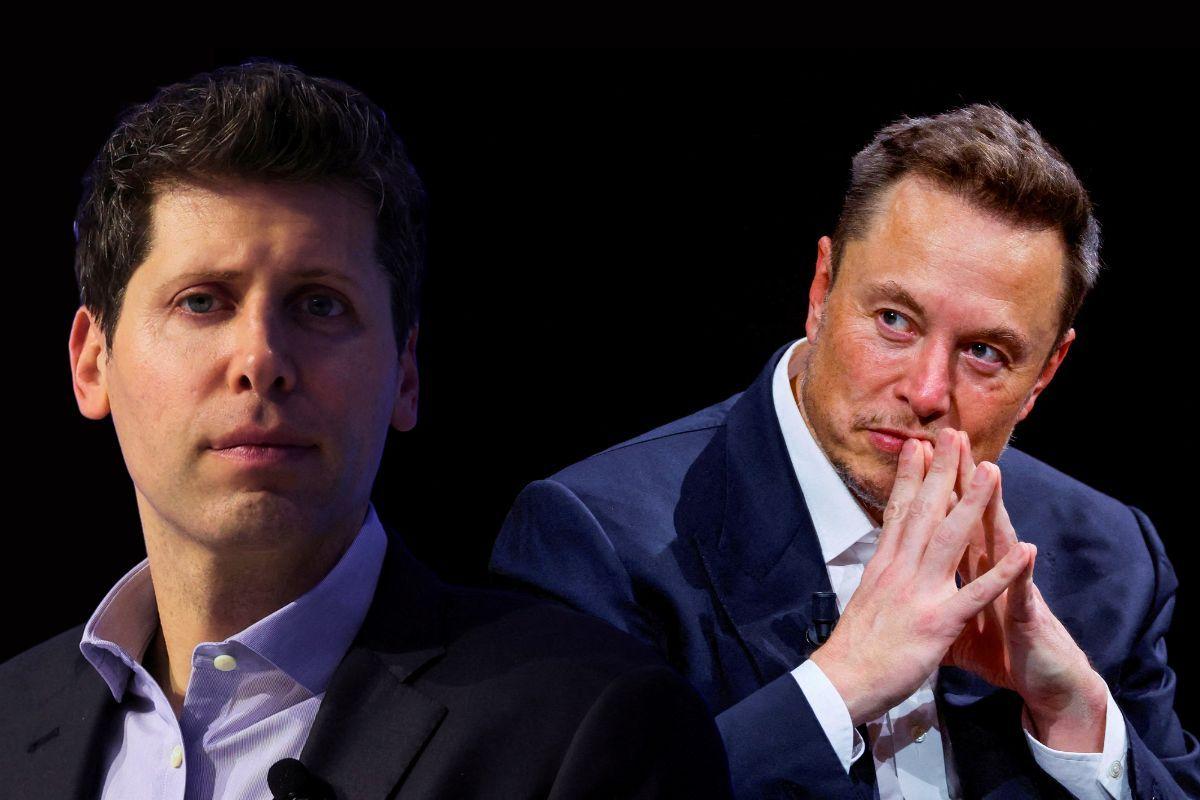
The lawsuit accused OpenAI of stealing trade secrets related to its Grok chatbot. Elon Musk has lost another legal fight against Sam Altman-led OpenAI. A federal judge has dismissed a lawsuit filed by Musk's AI company xAI, which accused OpenAI of stealing trade secrets related to its Grok chatbot. This marks Musk's second defeat against OpenAI in less than a month. Read on for the details about both cases. US District Judge Rita Lin ruled on Monday that xAI failed to provide enough evidence to support its claims. The company has alleged that former xAI senior engineer Xuechen Li shared confidential information with OpenAI while being recruited by the company. Musk's company alleged that OpenAI wanted information related to Grok 4's July 2025 launch. The lawsuit also claimed that the ChatGPT maker knew its upcoming update would struggle to match Grok 4's reasoning capabilities. Also read: OpenAI faces investigation over ChatGPT's impact on children and vulnerable users However, Judge Lin dismissed the lawsuit with prejudice, saying it would be "futile" to continue. In her ruling, Lin said asking job candidates about their previous work is a normal part of the hiring process. She wrote, "To hold otherwise would potentially expose employers to liability any time they inquire about a candidate's past work." OpenAI welcomed the decision. The company said: "This baseless lawsuit was never anything more than yet another front in Mr. Musk's ongoing campaign of harassment." OpenAI had made the same statement after the earlier dismissal in February. Meanwhile, lawyers for OpenAI said, "OpenAI does not need or want anyone's trade secrets, especially not from xAI, which is failing in the marketplace and hemorrhaging talent." Also read: Anthropic wants Claude Fable 5 and Mythos 5 back online, sends execs to US for talks This marks Musk's second courtroom defeat against OpenAI in just four weeks. On May 18, a federal jury ruled against him in a massive $150 billion lawsuit. In that case, Musk accused OpenAI and its CEO Sam Altman of abandoning the company's original nonprofit mission for personal gain. Elon Musk's xAI is still pursuing a separate lawsuit against Li. He has denied any wrongdoing.
Share
Copy Link
US District Judge Rita Lin permanently dismissed xAI's lawsuit accusing OpenAI of stealing trade secrets related to the Grok chatbot. The ruling found that asking job candidates about previous work is routine, not espionage. This marks Elon Musk's second courtroom defeat against OpenAI in four weeks, following a $150 billion lawsuit rejection in May.
US District Judge Rita Lin permanently dismissed the xAI trade secret lawsuit against OpenAI on Monday, ruling that Elon Musk's AI company failed to prove its claims
1
. The judge dismissed lawsuit with prejudice, meaning xAI cannot bring the same claims again and that continuing would be "futile"3
. Judge Rita Lin found that xAI failed to show OpenAI induced former xAI senior engineer Xuechen Li to divulge confidential information related to the Grok chatbot, or that OpenAI engineers even knew Li might have disclosed any1
.
Source: Digit
The case centered on a presentation Xuechen Li gave while OpenAI was recruiting him. xAI alleged OpenAI sought secrets related to the July 2025 release of Grok 4, claiming its own ChatGPT update "could not compete" on complex reasoning and that it was "lagging" in the reinforcement learning techniques Li understood
1
. However, Judge Rita Lin rejected this argument, writing that asking job candidates to discuss their previous work is routine3
. "To hold otherwise would potentially expose employers to liability any time they inquire about a candidate's past work," Lin wrote5
. The ruling carries significant implications for AI hiring practices across the AI industry, affirming that discussing prior work during recruitment does not constitute trade secret misappropriation1
.This represents Elon Musk's second legal loss against OpenAI since mid-May. On May 18, a federal jury unanimously rejected his $150 billion lawsuit against OpenAI accusing Sam Altman of betraying the company's nonprofit mission
1
. The 11-day trial ended abruptly when the jury deliberated for less than two hours and found Musk had filed his claims too late1
. His legal team has said it will appeal that decision . The xAI business is now part of Musk's rocket, satellite and AI company SpaceX following a $1.25 trillion combined deal in February1
.Related Stories
Source: Market Screener
OpenAI maintained that Li never worked for the company and that it never acquired xAI's secrets
1
. In a statement, OpenAI said: "This baseless lawsuit was never anything more than yet another front in Mr. Musk's ongoing campaign of harassment"3
. In their filing seeking dismissal, OpenAI's lawyers wrote a particularly sharp line: "OpenAI does not need or want anyone's trade secrets, especially not from xAI, which is failing in the marketplace and hemorrhaging talent"1
. This barb has evidence behind it, as all 11 of xAI's original co-founders have now left the company1
. Musk himself has acknowledged xAI "was not built right first time around" and needs to be rebuilt from the ground up1
.
Source: ET
The ruling establishes important precedent as AI companies routinely recruit from each other and candidates discuss their prior work during interviews. Judge Rita Lin's reasoning affirms that this practice does not, on its own, constitute improper handling of confidential information or proprietary techniques
1
. The original lawsuit against OpenAI filed in September focused on broader alleged misappropriation of source code and other confidential information when xAI employees left for jobs at OpenAI4
. xAI is pursuing a separate lawsuit against OpenAI directly targeting Xuechen Li, who has denied wrongdoing3
. For Musk, the courtroom scoreboard in his campaign against his former company now reads 0-2, though internal documents surfaced during the May trial may still complicate OpenAI's path forward1
.Summarized by
Navi
[1]
[4]
25 Feb 2026•Policy and Regulation

31 Jan 2026•Policy and Regulation

03 Oct 2025•Technology

1
Policy and Regulation

2
Business and Economy

3
Technology