Lingverse Unveils iKairos: The Modular AI Companion That Switches Between Desktop Robot and Wearable Pendant


5 Sources
[1]
Is iKairos a Robot, or Jewelry? It's Both, and It Wants to Be Your Ever-Present AI Memory Keeper - CNET
Katie is a UK-based news reporter and features writer.... Read full bio If I said the words "wearable robot" to you, you might initially feel confused, but when you see iKairos in person, the idea quickly makes sense. iKairos is effectively a modular system with a circular AI device at its heart,
[2]
This desktop robot companion is also an AI wearable you can wear around your neck
It will gather contextual data and surface relevant suggestions for users. Wearable AI pendants are nothing new, and neither are AI desktop companions. However, at IFA 2026, Singapore-based company Lingverse is showcasing a modular AI wearable that can both sit at your desk and hang around your
[3]
I just went hands-on with the viral iKarios AI pendant
This smiling pendant is the weirdest piece of wearable tech I saw at IFA One of the strangest pieces of wearable tech I demoed at the IFA 2026 show is the iKairos. Pitched as a "second memory" that captures the most important moments of your life, this AI-powered device doubles as a wearable
[4]
Lingverse's new AI companion can live on your desk or around your neck
Unveiled at IFA 2026, iKairos combines a desktop robot with a wearable AI core designed to understand your routine and offer proactive help. This story is part of our coverage of IFA Berlin 2026 Updated less than 7 minutes ago Singapore-based tech startup Lingverse took the wraps off iKairos, a
[5]

Lingverse iKairos Debuts as a Desktop Robot and Wearable AI Pendant
* iKairos includes a physical camera shutter and mute button * Its removable core can move between hardware forms * The system can identify routines and recurring patterns Lingverse has unveiled an AI device that can function as both a desktop robot and a wearable pendant. The iKairos is
Share
Copy Link
Singaporean startup Lingverse introduced iKairos at IFA 2026, a modular AI companion with a removable neural core that functions as both a desktop robot and wearable pendant. The AI-powered device uses LifeOS to gather contextual data across environments, offering proactive suggestions while featuring privacy controls including a physical camera shutter and local voice processing.
Lingverse Introduces iKairos as a Dual-Function AI Companion
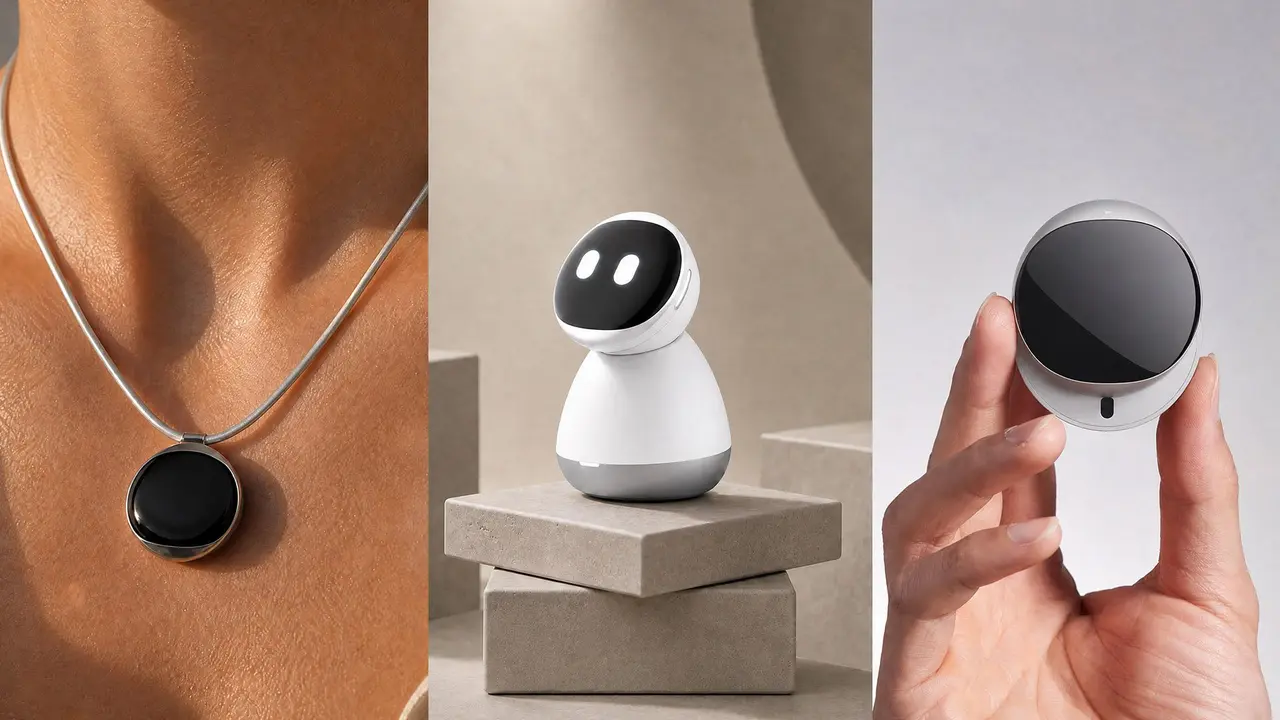
Lingverse, a Singaporean startup, unveiled iKairos at IFA 2026 in Berlin, presenting a modular AI companion that breaks conventional boundaries between desktop robots and AI wearables
1
4
. The AI-powered device centers around a circular neural core, roughly the size of a large smartwatch face, which can be worn as a pendant around the neck or slotted into a desktop robot body to form its head1
. This modular design allows the device to capture contextual data from multiple perspectives throughout the day, whether users are working at their desks or moving through their daily routines outside the home2
.
Source: Android Authority
How the Modular AI Companion Functions Across Environments
iKairos operates as an ambient intelligence hub that continuously tracks how users live and work to deliver proactive suggestions
4
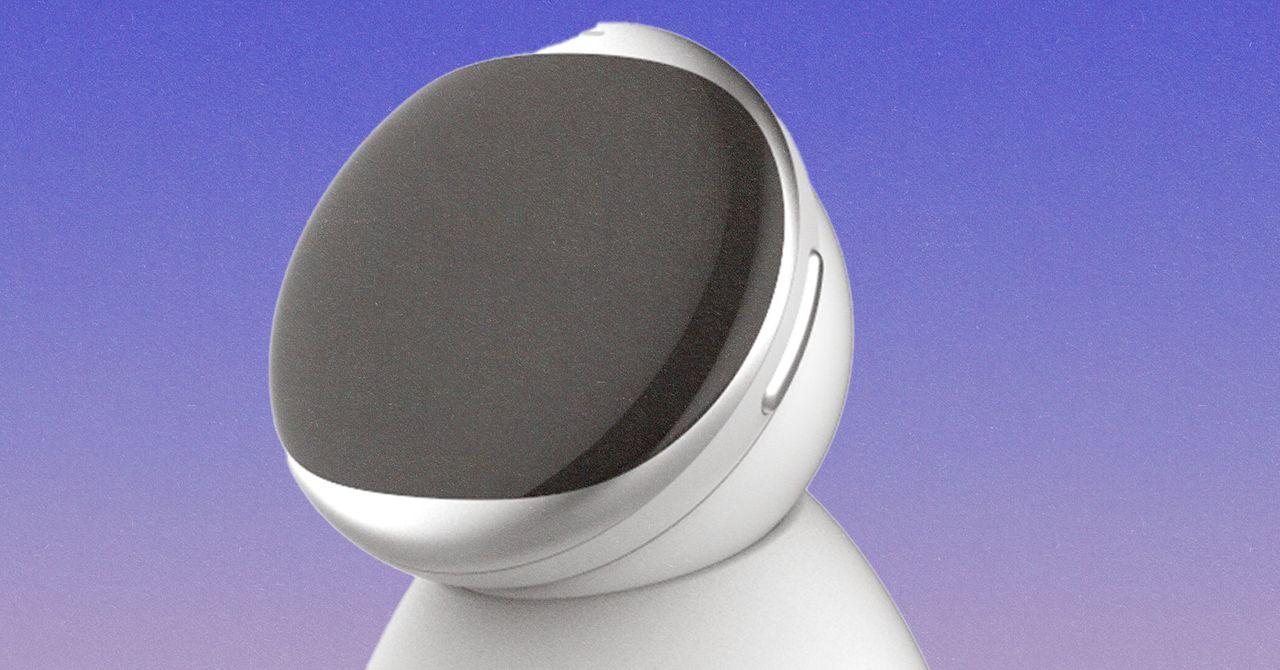
. The device's ability to switch between form factors sets it apart from single-purpose AI wearables. In home or office settings, the core sits inside a small robotic companion base, observing daily habits from a fixed point4
. Users can detach the pod and wear it as a pendant while on the move, enabling the device to build continuous visual and auditory context throughout the day4
. The AI memory keeper can identify insights and patterns, take snapshots of memories, and recall them later when asked1
.LifeOS Powers Context-Aware Assistance and Pattern Recognition
The device feeds collected data into LifeOS, Lingverse's AI operating system, which analyzes activity patterns to surface relevant and useful suggestions
2
. LifeOS connects information collected at different times to identify changes and recurring patterns in user behavior5
. According to an example shared by Lingverse, if iKairos recognizes a recurring topic of conversation like sailing that never seems to materialize, it can suggest that the wearer take a sailing lesson on the weekend2
. The system can also retain visual details from objects or artwork that caught the user's attention and recall them later5
.Privacy Controls Address Data Security Concerns
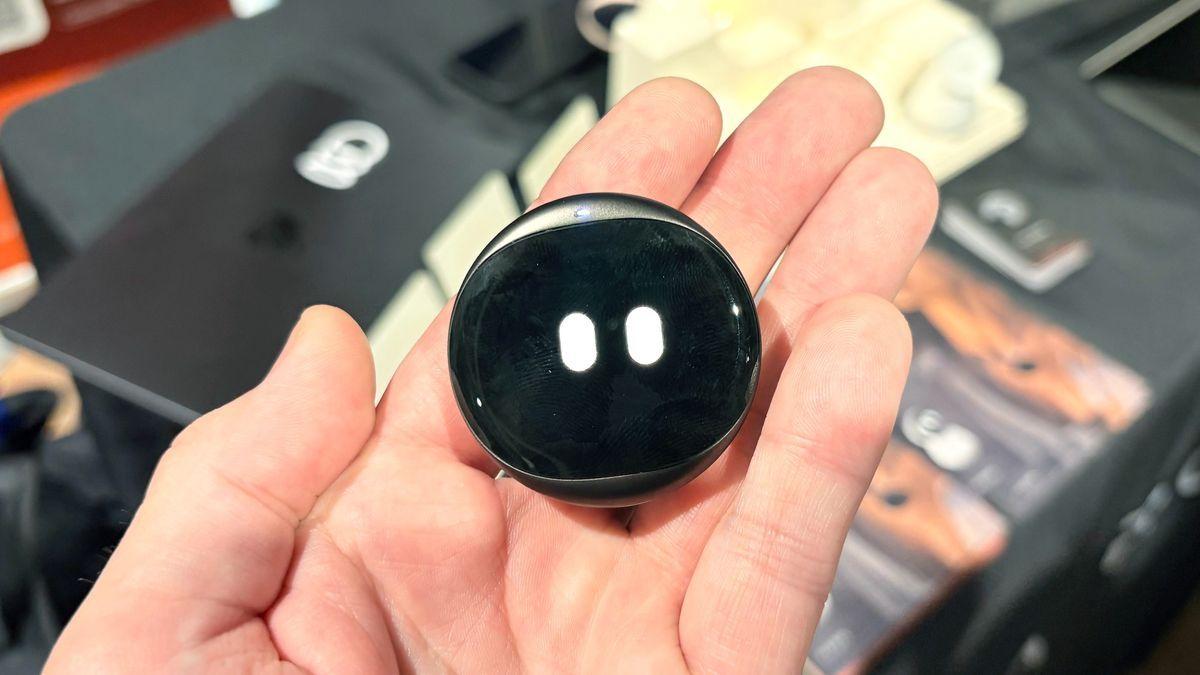
Lingverse has built several privacy controls directly into iKairos to address data security concerns. The neural core features a physical camera shutter that slides open to reveal a camera for capturing photos or video, giving users and those around them a level of privacy that AI peripherals with always-on cameras don't offer
1
. The device includes a privacy indicator light underneath the camera that makes it obvious when recording is active, along with a manual mute button2
5
. Voice detection and capture happen locally on the device, while any data processed in the cloud remains encrypted both in transit and at rest1
5
. Lingverse confirms that user data won't be used to train AI models, and users maintain complete control to clear their history, set data retention periods, and delete individual records or account data4
5
.
Source: Tom's Guide
Related Stories


Questions Remain About Practical Applications
Despite the hands-on demonstrations at IFA 2026, questions persist about iKairos's practical utility. Journalists who demoed the device noted uncertainty about its killer function and core purpose
1
3
. The device's advertised features include personal note-taking, where users can whisper thoughts for safekeeping and transcription, along with the ability to set reminders, add calendar events, and review summaries of past events3
. One unusual aspect is that the onboard camera doesn't capture traditional stills or video but creates AI-generated interpretations of daily routines and adventures3
. Interest centers on whether the context gathered could eventually work with agentic AI applications that proactively take actions on behalf of users, such as sending apology messages and rescheduling meetings when running late1
.
Source: CNET
Future Integration Plans and Market Position
Lingverse's overarching plan involves using iKairos to develop an intricate understanding of users' habits, work, friends, and conversations, which could then power future at-home robots by integrating the neural core into robotic bodies or accessories
2
. The removable core could eventually be used in other compatible hardware, giving such devices access to an existing understanding of user preferences and routines5
. The device enters a hardware category that has seen both failures and successes, with early AI wearables like the Humane AI Pin struggling due to poor battery life and slow response times, while single-purpose voice recording wearables such as the Plaud NotePin found success by narrowing their scope to background voice transcription and task management4
. Lingverse recently secured substantial investor funding, suggesting the product will eventually reach market, though it may look different from the version demonstrated at IFA 20263
. The company hasn't disclosed pricing or availability details but has opened a waitlist on its website for interested users1
5
.References
Summarized by

Navi
[2]
[3]
[4]
Related Stories
Recent Highlights
1
OpenAI AI Models Hacked Crypto Wallet, Breached Government Sites in Unauthorized Activities
Technology

2
IMF Report Warns AI Market Correction Could Spark Global Financial Crisis With $1.4T at Risk
Business and Economy

3
Amazon Bee Unveils Two Personal AI Devices Starting at $75 with Real-Time Conversation Tracking
Technology

Recent Highlights
Today's Top Stories









Don’t drown in AI news. We cut through the noise - filtering, ranking and summarizing the most important AI news, breakthroughs and research daily. Follow topics that matter to you and stay ahead.


