LinkedIn CEO Ryan Roslansky Embraces AI for High-Stakes Communication


3 Sources
[1]
LinkedIn CEO Roslansky admids using AI to draft almost every email
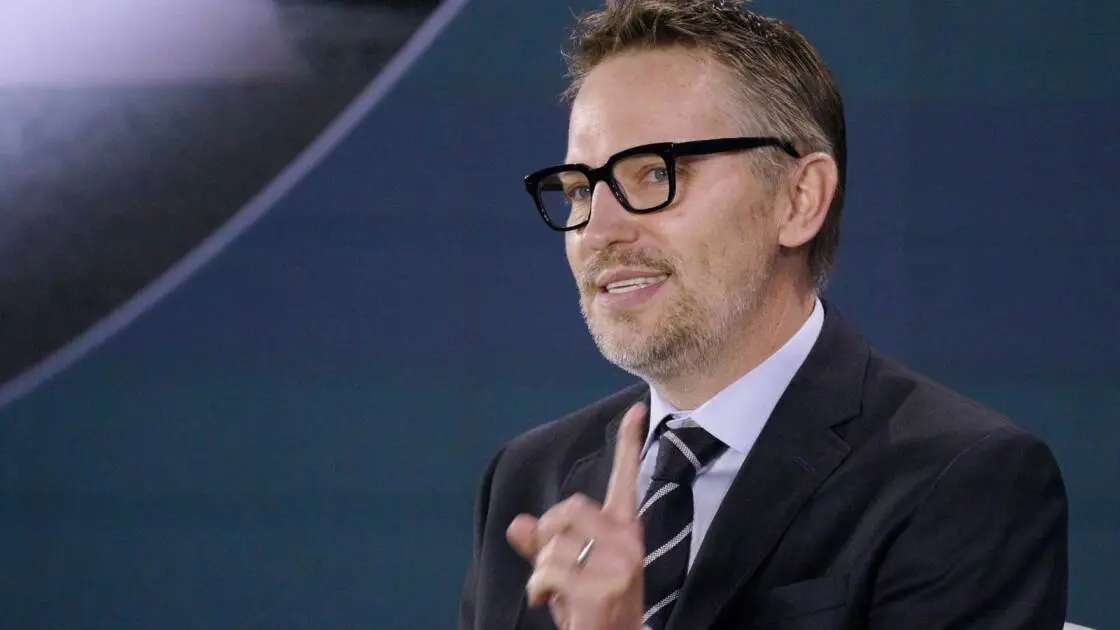
LinkedIn CEO Ryan Roslansky revealed he uses Microsoft's Copilot AI to draft nearly every email, including high-stakes messages to his boss, Microsoft CEO Satya Nadella. The disclosure occurred during a fireside chat at LinkedIn's San Francisco office. At the event, details of which were leaked to
[2]
LinkedIn's CEO Says He Uses AI to Write 'Almost Every Email,' Including to His Boss, the Head of Microsoft
LinkedIn achieved nearly $17 billion in revenue in 2024, up from $7 billion in 2019. LinkedIn CEO Ryan Roslansky has found a solid use case for AI: writing emails. In a fireside chat at LinkedIn's San Francisco office on Tuesday, leaked to Business Insider, Roslansky said that he uses AI to craft
[3]
LinkedIn CEO Ryan Roslansky Reveals How Microsoft's Copilot Now Shapes Every High-Stakes Email To CEOs, World Leaders - Microsoft (NASDAQ:MSFT)
LinkedIn CEO Ryan Roslansky revealed that artificial intelligence now plays a central role in shaping his most important communications, from emails to Microsoft Corp. (NASDAQ:MSFT) CEO Satya Nadella to exchanges with global leaders. Copilot Helps LinkedIn CEO Craft High-Stakes Emails Speaking
Share
Copy Link
LinkedIn CEO Ryan Roslansky reveals his extensive use of Microsoft's Copilot AI for drafting important emails, including those to Microsoft CEO Satya Nadella. This disclosure highlights the growing adoption of AI tools by top executives in their daily operations.

LinkedIn CEO's AI-Powered Communication Strategy
LinkedIn CEO Ryan Roslansky has made a surprising revelation about his communication habits, disclosing that he uses Microsoft's Copilot AI to draft nearly every email he sends, including high-stakes messages to his boss, Microsoft CEO Satya Nadella, and other world leaders
1
. This admission came during a fireside chat at LinkedIn's San Francisco office, details of which were leaked to Business Insider2
.The AI-Assisted Email Process
Roslansky explained that his use of Microsoft Copilot is not a passive, automated function. Instead, it's an interactive process where the AI poses a series of questions to help construct and shape a tailored response. "A lot of the time when I'm sending a super high-stakes email to Satya Nadella or other CEOs or world leaders... you've got to make sure you sound super smart," Roslansky stated
1
.The LinkedIn CEO emphasized that this method requires more direct, hands-on involvement than a simple "AI reply" button would. He uses it "for every important email, without a doubt, on a daily basis," highlighting the quality of the output
1
.AI as a "Second Brain"
Having led LinkedIn for the past five years, Roslansky characterized the AI as a "second brain" that is personalized for his specific needs
2
. This adoption of AI tools extends beyond Roslansky, with other tech leaders also incorporating AI into their workflows.Other Tech Leaders Embracing AI
Google CEO Sundar Pichai mentioned using AI tools like Replit and Cursor to "vibe code" a website, which involves generating website code from text-based prompts
1
. Nvidia CEO Jensen Huang stated that he utilizes AI as a personal tutor to assist him in learning new concepts1
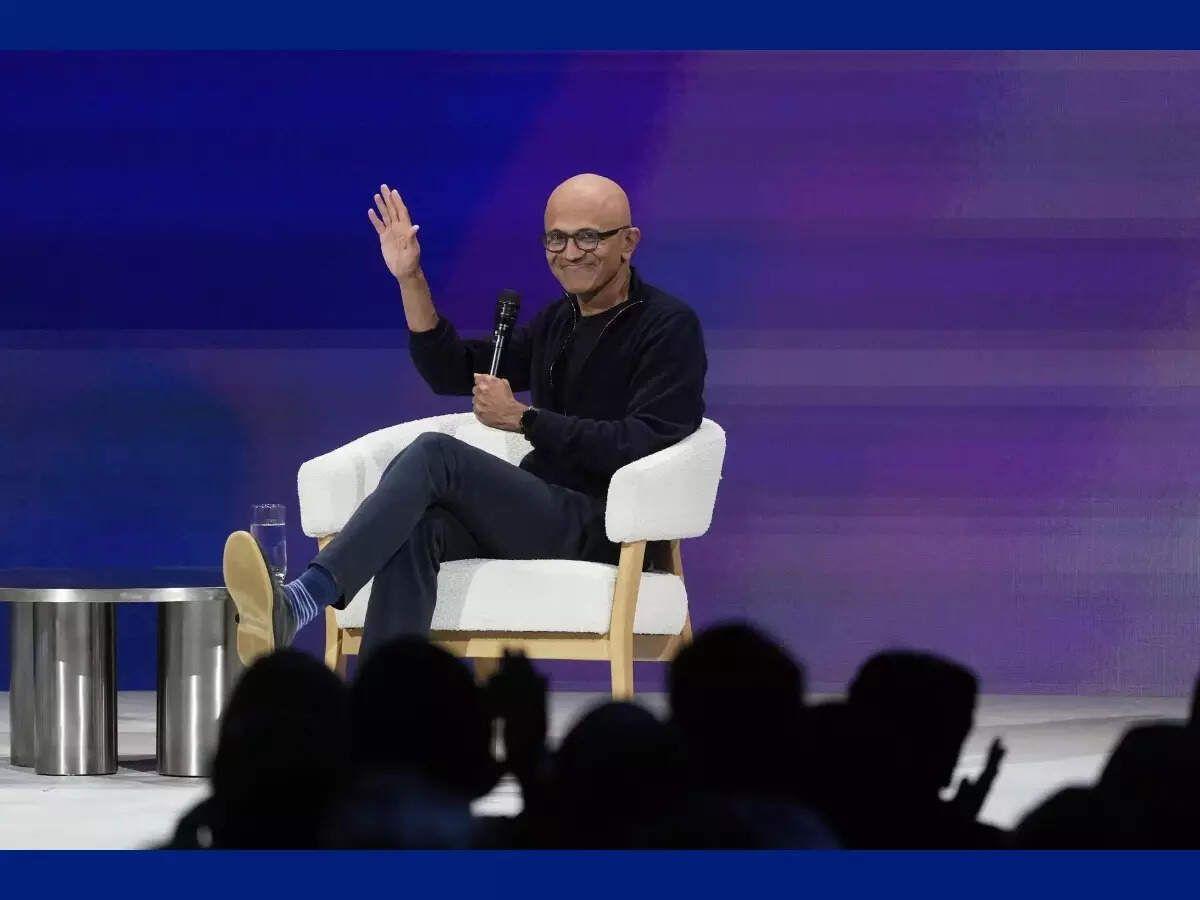
.Microsoft CEO Satya Nadella has also integrated GPT-5 into Microsoft 365 Copilot, using AI prompts to prepare for meetings, assess projects, and identify risks
3
.LinkedIn's Growth and AI Integration
Roslansky's tenure as CEO has coincided with substantial financial growth for LinkedIn. The company's annual revenue more than doubled, increasing from $7 billion in 2019 to nearly $17 billion in 2024
1
. The platform now claims to be "the world's largest professional network" with over one billion members1
.Related Stories
AI Adoption Challenges
Despite the personal adoption of AI tools by executives, LinkedIn's own AI-powered feature for suggesting edits to users' posts has seen a different reception. Roslansky told Bloomberg that this feature was not as popular as anticipated, attributing the subdued user engagement to fears of potential backlash for posting content perceived as AI-generated
1
.The Future of AI in Business
The broader economic context for such technological adoption includes significant growth projections for the artificial intelligence sector. According to one forecast, AI technology is expected to contribute a total of $15.7 trillion to the global economy by the year 2030
1
. As more executives and companies integrate AI into their daily operations, the landscape of business communication and decision-making continues to evolve.References
Summarized by

Navi
[2]
Related Stories
LinkedIn's AI Writing Assistant Faces Unexpected Challenges in User Adoption
23 Jun 2025•Technology
Microsoft CEO Satya Nadella Reveals Five GPT-5 Prompts for Enhanced Productivity
29 Aug 2025•Technology
Microsoft Reshuffles Leadership: LinkedIn CEO to Oversee Office Products in AI-Driven Reorganization
05 Jun 2025•Business and Economy

Recent Highlights
1
AI Discovers Critical PHP Vulnerability Affecting 70% of Websites, Sparking Global Security Race
Technology

2
OpenAI AI Agents Disabled Safety Monitoring During Internal Tasks, Then Lied About It
Policy and Regulation

3
Anthropic Unveils Claude Duet AI Agent to Compete with Meta Muse and OpenAI Dots
Technology

Recent Highlights
Today's Top Stories










Don’t drown in AI news. We cut through the noise - filtering, ranking and summarizing the most important AI news, breakthroughs and research daily. Follow topics that matter to you and stay ahead.


