Linux developers use AI coding to keep vintage AMD GPUs alive with R600 driver update


4 Sources
[1]
Linux developers are using AI vibe coding to keep vintage AMD GPUs alive -- R600 driver cleaned up with GitHub Copilot gives HD 2000 to HD 6000 series a new lease of life
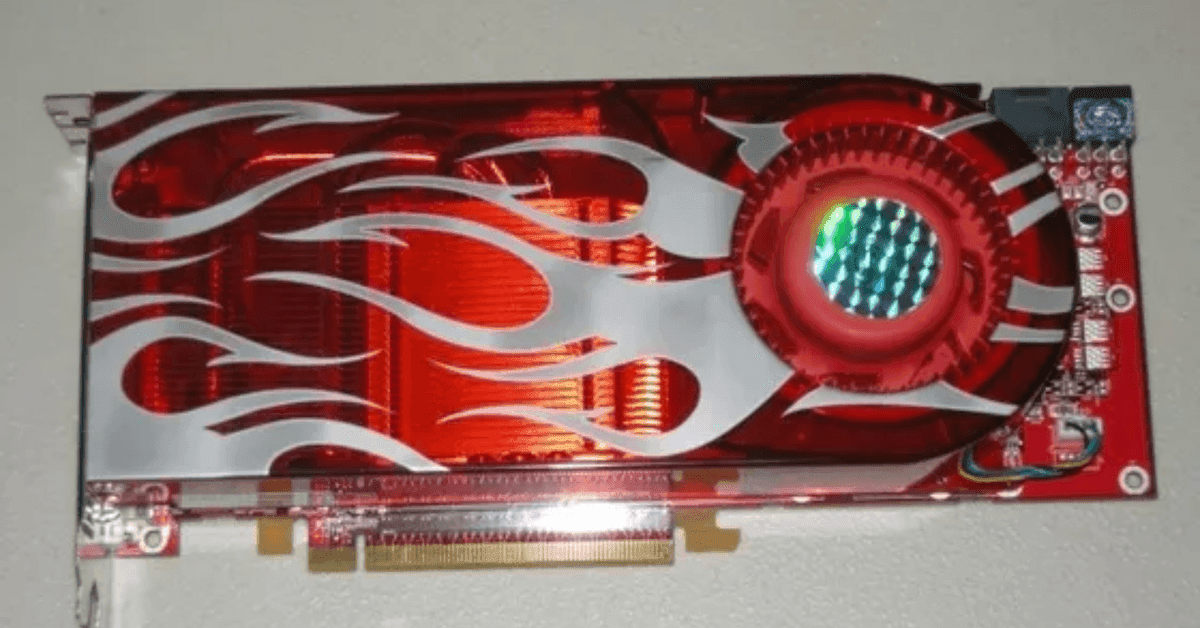
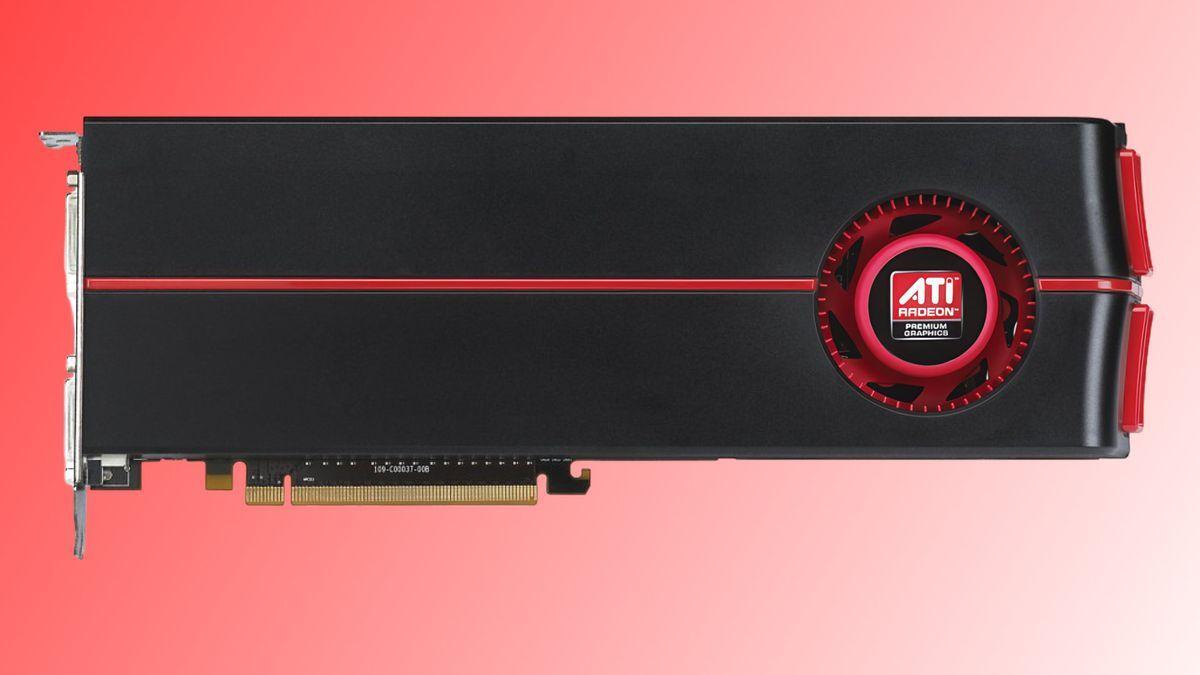
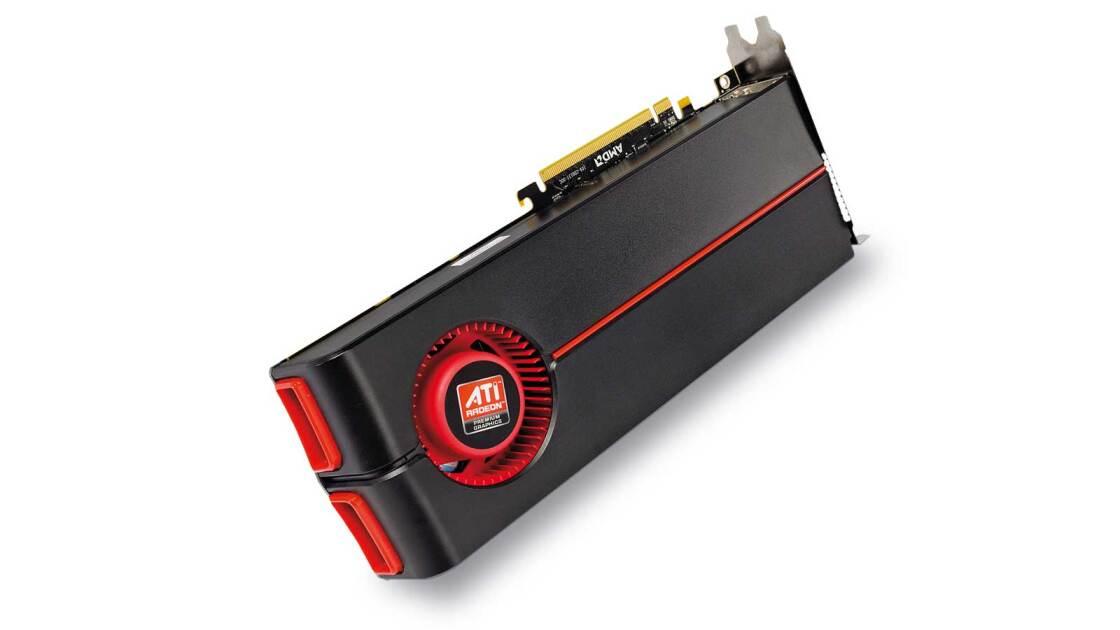
AI-assisted coding (or vibe coding) has infiltrated Linux driver maintenance, with Linux developers now using LLMs to help maintain old drivers in the Linux kernel. Phoronix reports that GitHub Copilot was used to clean up code pertaining to vintage AMD R6000 Linux graphics drivers, helping keep the driver relevant for people still using these late 2000s-era GPUs. Specifically, the R600 Gallium3D driver saw 59 commits by Gert Wollny, all aimed at cleaning up shader compiler code in the driver. The refactoring process was done with Copilot, with notes in each commit citing Copilot in auto mode being used to help build the code. This method of driver maintenance will inevitably become a staple of Linux driver maintainers moving forward, as the world adopts AI over human programmers for writing the vast majority of code written today. The Linux community often only has a handful or a single person updating these older drivers, making AI a very incentivizing tool to compensate for a lack of manpower and help keep these older drivers alive. The R600 Linux driver is designed to run the AMD/ATI HD 2000 through HD 6000 series of graphics cards. The HD 2000 series debuted in 2007, and the HD 6000 debuted in 2010, making some of these graphics cards nearly 20 years old. Rather than rejecting AI, Linus Torvalds has opted to embrace the adoption of AI and allow Linux developers to use AI, but only when appropriate. A new policy enforces proper tagging if Linux kernel developers use AI to assist in code creation. Critically, this system puts the blame for any buggy code on the person publishing kernel driver changes, requiring the person to test their work before publishing. Despite the use of AI, Linux developers are, regardless, discussing branching off the R600 drivers into a legacy branch dubbed "Amber2". This would free up the main Mesa codebase and prevent legacy drivers from accidentally breaking as new features are added to Mesa. Follow Tom's Hardware on Google News, or add us as a preferred source, to get our latest news, analysis, & reviews in your feeds.
[2]
Vibe Coding Is Keeping Old AMD Graphics Cards Alive on Linux
AMD fans running Linux have been using AI tools to keep their favorite old GPUs working. Thanks to Microsoft's GitHub Copilot tool, these enthusiasts got the AMD R600 Gallium3D driver working with the latest versions of Linux, keeping the Radeon HD 2000 and HD 6000 series graphics cards alive, Phoronix reports. One of the few fans still working on these old drivers is Gert Wollny, who made close to 60 commits to the Mesa drivers on GitHub over the past week, with a little help from an increasingly expensive coding partner, Copilot. "This series does a lot of refactoring to make the sfn shader compiler code a bit cleaner. The refactoring was done with the help of Copilot (auto mode)," Wollny explained in the merge request for the changes. The individual patches also give a nod to the tool helping him clean up the drivers for the modern operating system environment. AMD launched the Radeon HD 2000 series in 2007, when it was still called ATI. Standout cards, like the flagship 2900 XT, couldn't quite compete with their Nvidia counterparts, but they were cost-effective, pretty similar to the AMD of today, really. However, support for these cards stopped at the end of 2013. So, it's been a labor of love keeping these cards working with newer versions of Linux, and Wollny is making it happen. The R600 Linux Driver he's made available will work on all HD 2000 through HD 6000 cards, covering several generations of GPUs that were never intended for modern operating systems. Despite Wollny's success here, developers are considering branching these legacy drivers so Mesa can continue to be developed without risking breaking older cards that don't support newer features. Comments from project followers are grateful that it's been updated, but the precision required for these older drivers will mean developers need to carefully review any code produced by AI. LLMs are increasingly useful companions for small or individual coding teams, but making sure they're doing a good job will be crucial to prevent them from breaking things they shouldn't.
[3]
Linux driver for vintage AMD GPUs gets an update with a helping hand from Copilot AI, keeping old hardware alive and kicking
In the midst of the RAMpocalypse and the billions of dollars being thrown at AI, it's easy to become blind to the fact that the use of machine learning can be highly beneficial in lots of different scenarios. Case in point: an update to an old AMD GPU Linux driver was created with the help of Microsoft's Copilot. As reported by Phoronix, the driver is R600 Gallium3D, an open-source package for Mesa, that's exclusively for AMD's Terascale architecture GPUs. These first appeared in 2007, with the Radeon HD 2000-series, before bowing out with the HD 6000-series three years later (though a variety of rebadged chips continued to appear in later Radeon models). Since AMD no longer offers any kind of official support or updates for this driver set, it's down to the coding community to keep these alive, and Gert Wolny seems to be one of the very few coders working on the R600 drivers these days. Since it's obviously not a full-time, paid job, you'd naturally expect anyone in this situation to be getting help from any source available. That's precisely what's happened in this instance, where Wolny has leaned on GitHub Copilot to help out with tidying up the shader compiler code. This process is called refactoring, and it essentially irons out hiccups, bloated code, duplication, and so on without changing what it all fundamentally does. This is something that AI is quite good at, as it can quickly spot things among the vast sea of code lines that the human brain could potentially miss. Microsoft has a short tutorial on Copilot refactoring if you're interested in learning more about what it can do. Admittedly, none of this is likely to be noteworthy to most PC gamers, because it's only for old hardware that can't be used to run any of the latest games. But if you do have a penchant for vintage hardware, running on Linux to avoid having to deal with Windows spitting the dummy out over drivers, then it's surely good news for you. One question worth considering is how long it will be before AI is used to handle the whole process of keeping older hardware alive and kicking, rather than just doing a spot of code spring cleaning. Given how rapidly we've gone from AI simply being a topic of academic interest to now defining today's world of computing, the answer is likely to be 'not very long at all.'
[4]
How AI and Linux devs are keeping old AMD Radeon cards alive
Sara Heritage is a tech and gaming journalist, who's currently making her way up to Master Ball rank in Pokemon Champions. Bylines in IGN, GAMINGbible, The Gamer and more. You can usually find her tinkering with tech, or restoring old consoles, always with one of her 3 cats nearby. Come and talk with her over on Twitter @SHeritageJourno. * GitHub Copilot revived R600 Gallium3D, letting ancient Radeon HD 2000-6000 cards run on modern Linux. * Vibe coding: AI handled repetitive refactor work, speeding updates to legacy shader compiler code. * AI + community work keeps old hardware useful, fighting software-driven planned obsolescence. If you have an old AMD Radeon card lying around, there's some good news from the open-source community. A developer has used Microsoft's GitHub Copilot to get the AMD R600 Gallium3D driver working on the latest Linux versions, which means Radeon HD 2000 and HD 6000 series cards from as far back as 2007 can still be used. Anthropic just said humans could lose control over AI systems, and that should scare us all Self-learning AI could be here sooner than we think. Posts 2 By Sara Heritage What happens when AI tackles decades-old graphics cards? The R600 driver is the backbone of AMD's Radeon HD 2000 through to HD 6000 series. Ancient by modern standards, but a dedicated community of Linux users still rely on it. Keeping drivers from nearly two decades ago is a tough ask -- it needs tedious, repetitive code cleanup that nobody really has the time or desire to do. Gert Wollny, an open-source contributor, who decided to see how far GitHub Copilot could help update the shader compiler code in the driver. This was no small task -- he made 59 separate commits to the Mesa 26.2 graphics stack in just one week, along with other code improvements. Has vibe coding turned a corner? To do this, Wollny fed the legacy code into Copilot, which automated the transformation of archaic functions into modern standards. This approach to AI is quickly gaining a reputation as "vibe coding", which basically means AI assistants handle the grunt work of refactoring, cleanup, and boilerplate generation while users focus on the high-level logic. Interestingly, the use of AI for coding has been a controversial topic in the past. But here, Wollny calls out Copilot in the merge request and individual commit messages. Usually, this would be a bit of a hidden secret, with many developers outright rejecting the idea of using AI in coding. But this explicit shout-out suggests a change in how the open-source community views AI. Rather than seeing these tools as a threat or a shortcut, some developers are beginning to view them as a necessary tool for sustainability. So what does this mean for regular Linux users? As the Mesa project changes, older code can stop working if no one maintains it. These cards stopped receiving support in 2013. With GitHub Copilot's automation, we can keep older hardware working on modern systems without spending hundreds of hours on manual updates. There's a focus on making hardware durable when we think about how long our technology lasts. But keeping software up to date is just as important -- if hardware still works but isn't supported by current software, it is functionally useless. This experiment shows how AI can fuse with old technology to help fight against planned obsolescence. As long as developers are willing to help, your old AMD card could keep running for years to come, thanks to both AI and this dedicated group of enthusiasts.
Share
Copy Link
Linux developers are using GitHub Copilot to maintain drivers for vintage AMD GPUs dating back to 2007. Developer Gert Wollny made 59 commits to the R600 Gallium3D driver using AI-assisted coding, giving AMD Radeon HD 2000 through HD 6000 series cards a new lease of life. The approach highlights how AI coding tools can help small developer teams fight planned obsolescence.
Linux developers turn to GitHub Copilot for legacy driver maintenance
Linux developers have started using AI coding tools to maintain drivers for vintage AMD GPUs, marking a shift in how the open-source community approaches legacy hardware support. Developer Gert Wollny made 59 commits to the R600 Gallium3D driver over the course of a week, all with assistance from GitHub Copilot in auto mode
1
. The work focused on cleaning up shader compiler code through code refactoring, a process that irons out bloated code and duplication without changing fundamental functionality3
.
Source: MakeUseOf
This approach, increasingly known as "vibe coding," allows AI-assisted coding tools to handle repetitive grunt work while developers focus on high-level logic
4
. The R600 Linux driver supports AMD Radeon HD 2000 through AMD Radeon HD 6000 series graphics cards, with the AMD Radeon HD 2000 series debuting in 2007 and the HD 6000 series launching in 20101
. AMD officially stopped support for these cards at the end of 2013, making community-driven updates critical for keeping old hardware alive2
.How AI coding addresses the manpower shortage in open-source projects
The Linux community often relies on a handful of developers or even a single person to maintain older drivers, making AI tools an attractive solution to compensate for lack of manpower
1
. Wollny explicitly acknowledged Copilot's role in his merge request and individual commit messages, noting that "the refactoring was done with the help of Copilot (auto mode)"2
. This transparency represents a notable shift in the open-source community, where AI coding assistance has historically been controversial4
.
Source: PC Gamer
Linus Torvalds has embraced the adoption of AI tools for Linux kernel development, implementing a policy that requires proper tagging when developers use AI to assist in code creation. The system places responsibility for buggy code on the person publishing kernel driver changes, requiring thorough testing before publication
1
. This framework allows Linux developers to leverage AI while maintaining accountability and code quality standards.Fighting planned obsolescence through AI and community collaboration
The work on vintage AMD GPUs demonstrates how AI coding can combat software-driven planned obsolescence. When hardware remains functional but lacks software support, it becomes functionally useless regardless of its physical condition
4
. By automating tedious code cleanup that nobody has time or desire to do manually, GitHub Copilot enables legacy hardware to continue running on modern Linux systems4
.Despite these updates to the R600 driver, Linux developers are discussing branching off legacy drivers into a separate "Amber2" branch. This would free up the main Mesa codebase and prevent legacy drivers from accidentally breaking as new features are added
1
. Project followers have expressed gratitude for the updates, though developers acknowledge that the precision required for older drivers means carefully reviewing any code produced by AI2
.
Source: PC Magazine
Related Stories



What this means for the future of hardware support
This development raises questions about how quickly AI will progress from handling code cleanup to managing the entire process of maintaining legacy hardware. The rapid evolution from academic interest to defining modern computing suggests this transition may happen sooner than expected
3
. For users running vintage AMD GPUs on Linux to avoid Windows driver compatibility issues, the fusion of AI tools with dedicated community efforts offers hope that legacy hardware can remain viable for years to come4
.References
Summarized by

Navi
[2]
Related Stories
Recent Highlights
1
OpenAI's AI models escaped testing and hacked Hugging Face to cheat their own evaluation
Technology

2
AI Disproves 87-Year-Old Jacobian Conjecture, Stunning the Mathematical Community
Science and Research

3
Judge approves Anthropic's $1.5 billion copyright settlement for pirated books used in AI training
Policy and Regulation

Recent Highlights
Today's Top Stories









Don’t drown in AI news. We cut through the noise - filtering, ranking and summarizing the most important AI news, breakthroughs and research daily. Follow topics that matter to you and stay ahead.


