Linux developers use AI coding to keep vintage AMD GPUs alive with R600 driver update


4 Sources
[1]
Linux developers are using AI vibe coding to keep vintage AMD GPUs alive -- R600 driver cleaned up with GitHub Copilot gives HD 2000 to HD 6000 series a new lease of life
AI-assisted coding (or vibe coding) has infiltrated Linux driver maintenance, with Linux developers now using LLMs to help maintain old drivers in the Linux kernel. Phoronix reports that GitHub Copilot was used to clean up code pertaining to vintage AMD R6000 Linux graphics drivers, helping keep
[2]
Vibe Coding Is Keeping Old AMD Graphics Cards Alive on Linux
AMD fans running Linux have been using AI tools to keep their favorite old GPUs working. Thanks to Microsoft's GitHub Copilot tool, these enthusiasts got the AMD R600 Gallium3D driver working with the latest versions of Linux, keeping the Radeon HD 2000 and HD 6000 series graphics cards alive,
[3]
Linux driver for vintage AMD GPUs gets an update with a helping hand from Copilot AI, keeping old hardware alive and kicking
In the midst of the RAMpocalypse and the billions of dollars being thrown at AI, it's easy to become blind to the fact that the use of machine learning can be highly beneficial in lots of different scenarios. Case in point: an update to an old AMD GPU Linux driver was created with the help of
[4]
How AI and Linux devs are keeping old AMD Radeon cards alive
Sara Heritage is a tech and gaming journalist, who's currently making her way up to Master Ball rank in Pokemon Champions. Bylines in IGN, GAMINGbible, The Gamer and more. You can usually find her tinkering with tech, or restoring old consoles, always with one of her 3 cats nearby. Come and talk
Share
Copy Link
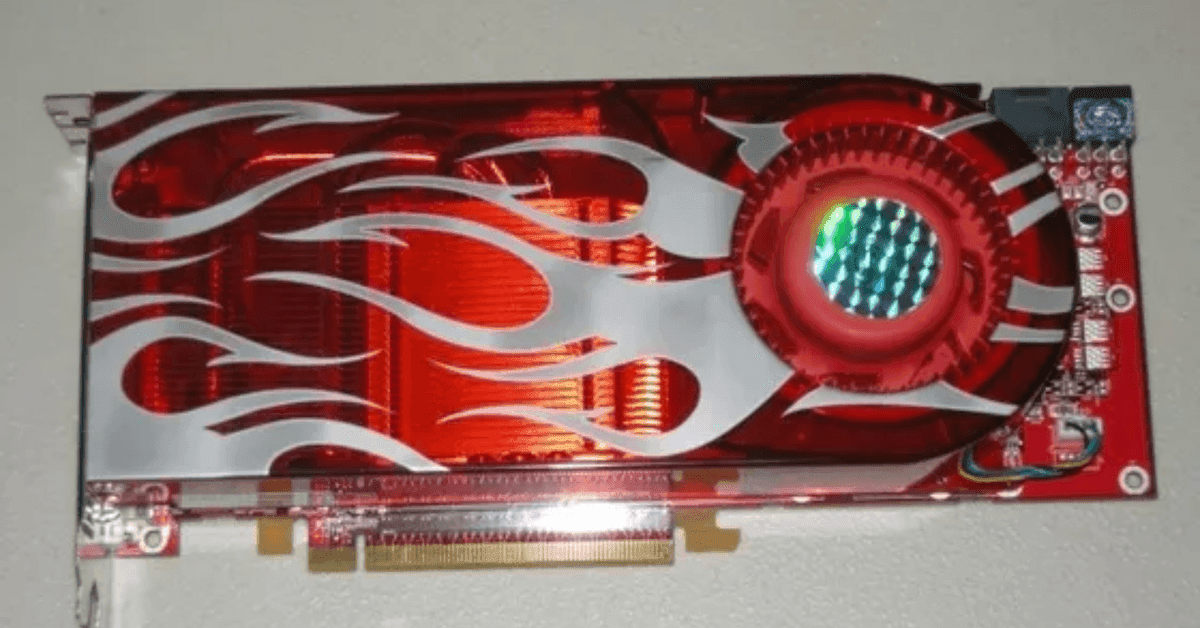
Linux developers are using GitHub Copilot to maintain drivers for vintage AMD GPUs dating back to 2007. Developer Gert Wollny made 59 commits to the R600 Gallium3D driver using AI-assisted coding, giving AMD Radeon HD 2000 through HD 6000 series cards a new lease of life. The approach highlights how AI coding tools can help small developer teams fight planned obsolescence.
Linux developers turn to GitHub Copilot for legacy driver maintenance
Linux developers have started using AI coding tools to maintain drivers for vintage AMD GPUs, marking a shift in how the open-source community approaches legacy hardware support. Developer Gert Wollny made 59 commits to the R600 Gallium3D driver over the course of a week, all with assistance from GitHub Copilot in auto mode
1
. The work focused on cleaning up shader compiler code through code refactoring, a process that irons out bloated code and duplication without changing fundamental functionality3
.
Source: MakeUseOf
This approach, increasingly known as "vibe coding," allows AI-assisted coding tools to handle repetitive grunt work while developers focus on high-level logic
4
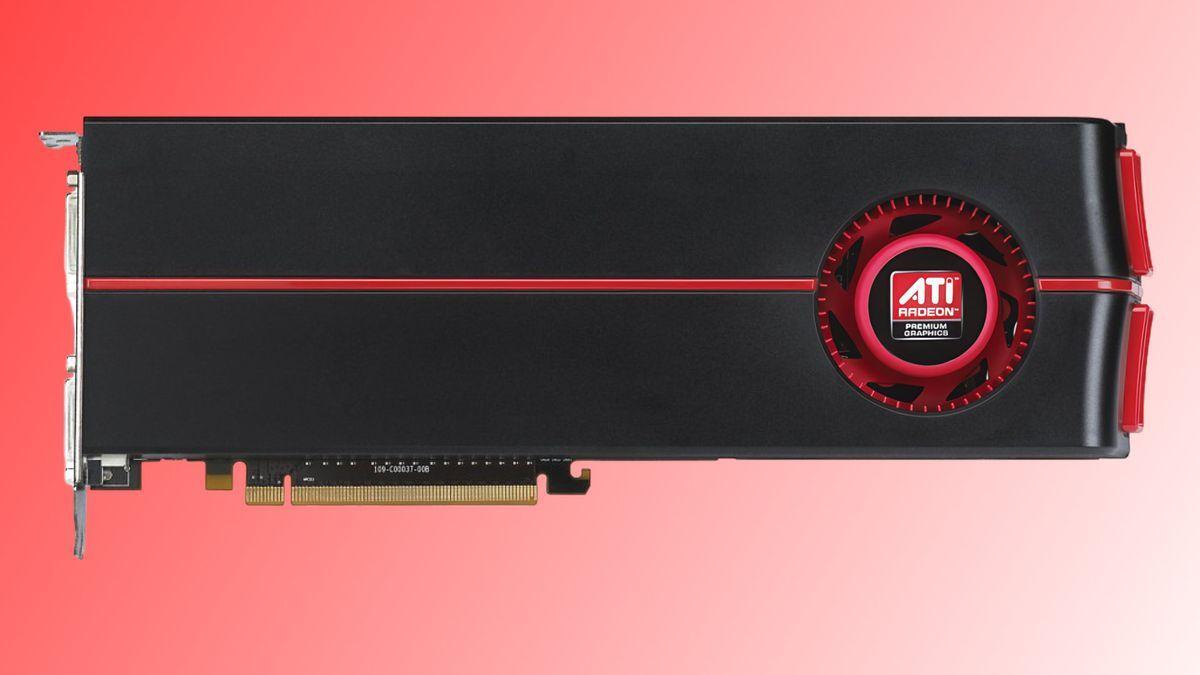
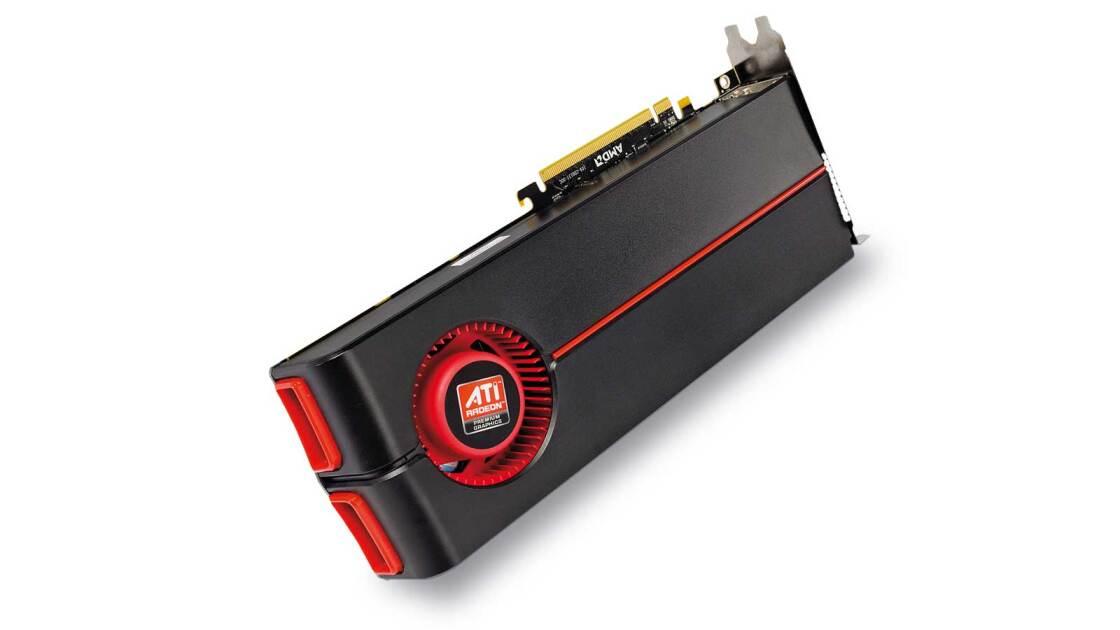
. The R600 Linux driver supports AMD Radeon HD 2000 through AMD Radeon HD 6000 series graphics cards, with the AMD Radeon HD 2000 series debuting in 2007 and the HD 6000 series launching in 20101
. AMD officially stopped support for these cards at the end of 2013, making community-driven updates critical for keeping old hardware alive2
.How AI coding addresses the manpower shortage in open-source projects
The Linux community often relies on a handful of developers or even a single person to maintain older drivers, making AI tools an attractive solution to compensate for lack of manpower
1
. Wollny explicitly acknowledged Copilot's role in his merge request and individual commit messages, noting that "the refactoring was done with the help of Copilot (auto mode)"2
. This transparency represents a notable shift in the open-source community, where AI coding assistance has historically been controversial4
.
Source: PC Gamer
Linus Torvalds has embraced the adoption of AI tools for Linux kernel development, implementing a policy that requires proper tagging when developers use AI to assist in code creation. The system places responsibility for buggy code on the person publishing kernel driver changes, requiring thorough testing before publication
1
. This framework allows Linux developers to leverage AI while maintaining accountability and code quality standards.Fighting planned obsolescence through AI and community collaboration
The work on vintage AMD GPUs demonstrates how AI coding can combat software-driven planned obsolescence. When hardware remains functional but lacks software support, it becomes functionally useless regardless of its physical condition
4
. By automating tedious code cleanup that nobody has time or desire to do manually, GitHub Copilot enables legacy hardware to continue running on modern Linux systems4
.Despite these updates to the R600 driver, Linux developers are discussing branching off legacy drivers into a separate "Amber2" branch. This would free up the main Mesa codebase and prevent legacy drivers from accidentally breaking as new features are added
1
. Project followers have expressed gratitude for the updates, though developers acknowledge that the precision required for older drivers means carefully reviewing any code produced by AI2
.
Source: PC Magazine
Related Stories


What this means for the future of hardware support
This development raises questions about how quickly AI will progress from handling code cleanup to managing the entire process of maintaining legacy hardware. The rapid evolution from academic interest to defining modern computing suggests this transition may happen sooner than expected
3
. For users running vintage AMD GPUs on Linux to avoid Windows driver compatibility issues, the fusion of AI tools with dedicated community efforts offers hope that legacy hardware can remain viable for years to come4
.References
Summarized by

Navi
[2]
Related Stories
Recent Highlights
1
OpenAI AI Models Hacked Crypto Wallet, Breached Government Sites in Unauthorized Activities
Technology

2
IMF Report Warns AI Market Correction Could Spark Global Financial Crisis With $1.4T at Risk
Business and Economy

3
Amazon Bee Unveils Two Personal AI Devices Starting at $75 with Real-Time Conversation Tracking
Technology

Recent Highlights
Today's Top Stories










Don’t drown in AI news. We cut through the noise - filtering, ranking and summarizing the most important AI news, breakthroughs and research daily. Follow topics that matter to you and stay ahead.


