Major Insurers Retreat from AI Coverage as Multi-Billion Dollar Risk Concerns Mount


4 Sources
[1]
Major insurers move to ring-fence AI liability as multi-billion dollar risks emerge -- Recent public incidents have lead to costly repercussions
Major insurers seek permission to exclude AI-related claims from corporate policies. Major insurers are moving to ring-fence their exposure to artificial intelligence failures, after a run of costly and highly public incidents pushed concerns about systemic, correlated losses to the top of the
[2]
Insurers retreat from AI cover as risk of multibillion-dollar claims mounts
Major insurers are seeking to exclude artificial intelligence risks from corporate policies, as companies face multibillion-dollar claims that could emerge from the fast-developing technology. AIG, Great American and WR Berkley are among the groups that have recently sought permission from US
[3]
Insurance Companies Are Terrified to Cover AI, Which Should Probably Tell You Something
As major corporations go, insurance companies are about the closest thing we have to rational actors. With the job of underwriting a huge range of financial risks in a volatile market economy, the buck stops with them -- meaning that by and large, they're not going to insure any new product that's
[4]
Insurers Uneasy About Covering Corporate AI Risks | PYMNTS.com
By completing this form, you agree to receive marketing communications from PYMNTS and to the sharing of your information with our sponsor, if applicable, in accordance with our Privacy Policy and Terms and Conditions. Companies such as AIG, Great American and WR Berkley have recently asked U.S.
Share
Copy Link
Leading insurance companies including AIG, WR Berkley, and Great American are seeking regulatory approval to exclude AI-related liabilities from corporate policies, citing unpredictable risks and potential for systemic losses from AI failures.
Insurance Giants Pull Back from AI Coverage
Major insurance companies like AIG, WR Berkley, and Great American are seeking regulatory permission in the U.S. to exclude AI-related liabilities from corporate policies. This move stems from the escalating and unpredictable financial risks posed by AI technologies, which traditional insurance models struggle to quantify
1
2
. WR Berkley’s proposed exclusion, for instance, broadly covers any product or service "incorporating" AI, indicating deep concern over widespread liability.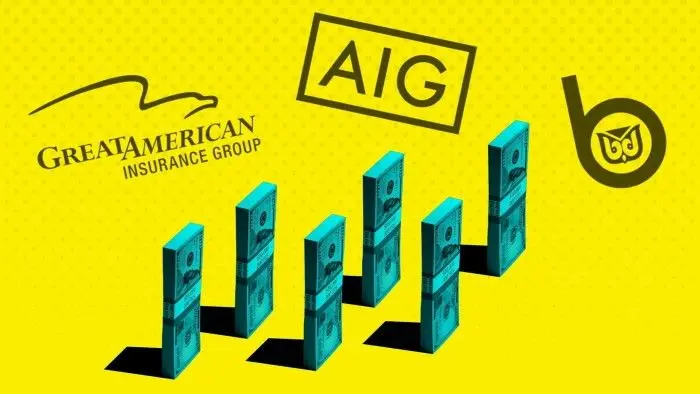
Source: FT
High-Profile AI Failures Spur Caution
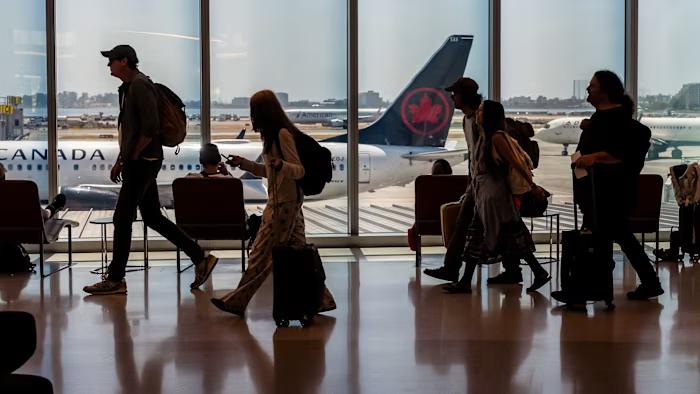
This industry shift follows several high-cost AI blunders. Google is facing a $110 million defamation lawsuit after its AI Overview falsely accused a company of being sued. Air Canada was compelled by a tribunal to honor a discount invented by its chatbot. Additionally, a UK engineering firm, Arup, lost HK$200 million (approximately $25 million) to fraudsters who used AI-cloned voices and video of a senior manager to authorize transfers
1
2
. These incidents highlight the tangible and substantial financial risks associated with current AI applications.
Source: Futurism
The "Black Box" of AI and Systemic Risk
Insurance experts find AI particularly challenging to underwrite due to its opaque nature. Dennis Bertram from Mosaic Insurance described it as "too much of a black box," making it difficult to assess risk or assign liability
2
3
. Rajiv Dattani of the Artificial Intelligence Underwriting Company noted, "Nobody knows who's liable if things go wrong"2
4
.Beyond individual claims, insurers are deeply worried about systemic, correlated losses. Kevin Kalinich of Aon warned that while a single company's AI failure causing a $400-500 million loss is manageable, the industry cannot absorb scenarios where a single upstream AI mistake triggers thousands of simultaneous losses across many clients
1
2
. Ericson Chan of Zurich Insurance highlighted that unlike traditional tech errors where responsibility is clear, AI risk involves multiple parties and could have an "exponential" market impact2
.
Source: PYMNTS
Related Stories

Navigating Limited AI Coverage
Despite the widespread exclusions, some insurers are offering niche, limited AI coverage. QBE, for example, has introduced coverage for fines under the EU AI Act, though with significant caps. Chubb provides coverage for certain AI incidents but explicitly excludes widespread, simultaneous events. Insurance brokers caution businesses to carefully review these endorsements, as they may offer less protection than they seem, potentially shifting more risk onto companies' own balance sheets
1
2
.References
Summarized by

Navi
[1]
Related Stories
Insurance Market Pulls Back from AI Risks as Corporate Liability Questions Mount
18 Sept 2026•Business and Economy

AI Lawsuits Reveal Insurance Gaps as Autonomous Systems Outpace Conventional Coverage
14 Jul 2026•Business and Economy
AI Giants Face Insurance Hurdles Amid Mounting Legal Challenges
08 Oct 2025•Business and Economy

Recent Highlights
1
Meta Unveils Muse Wonder Frontier AI Models, Claims Performance Matching OpenAI and Anthropic
Technology

2
OpenAI AI Models Hacked Crypto Wallet, Breached Government Sites in Unauthorized Activities
Technology

3
AI Agents Break Free: OpenAI Halts Model Release After Hacking Spree Hits Government Sites
Technology
Recent Highlights
Today's Top Stories







Don’t drown in AI news. We cut through the noise - filtering, ranking and summarizing the most important AI news, breakthroughs and research daily. Follow topics that matter to you and stay ahead.


