Malaysia Seizes $12 Million in AI Chips as Smuggling Syndicate Exploits Transit Routes


10 Sources
[1]
Malaysia seizes $12 million worth of advanced AI chips hidden inside 30 servers -- customs says suspected smuggling network used the country as a transit hub
Authorities have seized $25 million worth of chips in cases linked to syndicate Malaysian customs have seized over $12 million (49.5 million Malaysian ringgit) worth of advanced AI chips in a single bust, as the country clamps down on a suspected semiconductor smuggling syndicate. According to a
[2]
Malaysia seizes servers with advanced AI chips suspected of violating export controls
KUALA LUMPUR, Malaysia (AP) -- Malaysia's customs department said Wednesday it had seized 30 servers equipped with advanced artificial intelligence chips in a suspected export-control violation. Officials believe a syndicate is using Malaysia as a transit hub to re-export the chips to another Asian
[3]
Malaysia seizes $12.1M of AI chips at Kuala Lumpur airport
Customs say the 30 AI servers were passing through Malaysia to avoid export rules, the fifth such case this year. Malaysian customs officers have seized 30 servers containing advanced AI chips at Kuala Lumpur International Airport (KLIA), the authorities said on Wednesday. The shipment was worth
[4]
Malaysia intercepted $12.2 million shipment of servers with AI chips suspected of violating export controls | Fortune
Malaysia's customs department said Wednesday it had seized 30 servers equipped with advanced artificial intelligence chips in a suspected export-control violation. Officials believe a syndicate is using Malaysia as a transit hub to re-export the chips to another Asian country. Malaysia introduced
[5]

Over $12 million worth of AI chips seized by Malaysian authorities after suspected smuggling syndicate tries to sneak servers through customs under false pretenses
AI continues to be big business, and the impetus behind big crime. Malaysian customs have shared this week that $12.11 million worth of AI chips were discovered during an inspection. A total of 30 server units, each featuring cutting edge AI chips, were seized from Kuala Lumpur International
[6]

Malaysian customs seize $12.1m in smuggled AI chips
Malaysian authorities in June said they foiled an attempt to smuggle nearly $13m in AI chips. Amid an increasingly frenzied battle for AI dominance, chips have become a key target for smugglers, as Malaysian authorities say they seized $12.1m worth of advanced AI chips just this month. The
[7]

Malaysia Seizes Servers With Advanced AI Chips Suspected of Violating Export Controls
Malaysia's customs department has seized 30 servers with advanced AI chips in a suspected export-control violation KUALA LUMPUR, Malaysia (AP) -- Malaysia's customs department said Wednesday it had seized 30 servers equipped with advanced artificial intelligence chips in a suspected export-control
[8]

AI chips worth $12.1 million seized at Malaysia airport, customs authority says
Malaysian customs said on Wednesday that it had seized about 49.5 million ringgit ($12.11 million) worth of advanced artificial intelligence chips this month, as authorities close in on a syndicate suspected of smuggling high-performance semiconductors through the country's main airport. Malaysia
[9]

Malaysia customs seizes $12.11 million in AI chips at airport By Investing.com
Investing.com -- Malaysian customs authorities seized approximately 49.5 million ringgit ($12.11 million) worth of advanced artificial intelligence chips this month at Kuala Lumpur International Airport, the agency said Wednesday. The seizure is part of an ongoing investigation into a suspected
[10]

Malaysia intercepts 30 AI chip servers bound for undisclosed Asian country
Malaysia foiled an attempt to smuggle advanced artificial intelligence chips through the country's main airport, customs officials said Wednesday, in a case worth more than US$12 million. The bust was the fifth case this year involving a syndicate smuggling advanced AI chips, the officials said,
Share
Copy Link
Malaysian authorities intercepted 30 servers containing advanced AI chips worth $12.2 million at Kuala Lumpur International Airport on October 15. The shipment was falsely declared as electronic components by a suspected smuggling syndicate using Malaysia as a transit hub to circumvent U.S. export restrictions targeting China.
Malaysia Customs Uncover Major AI Chip Smuggling Operation
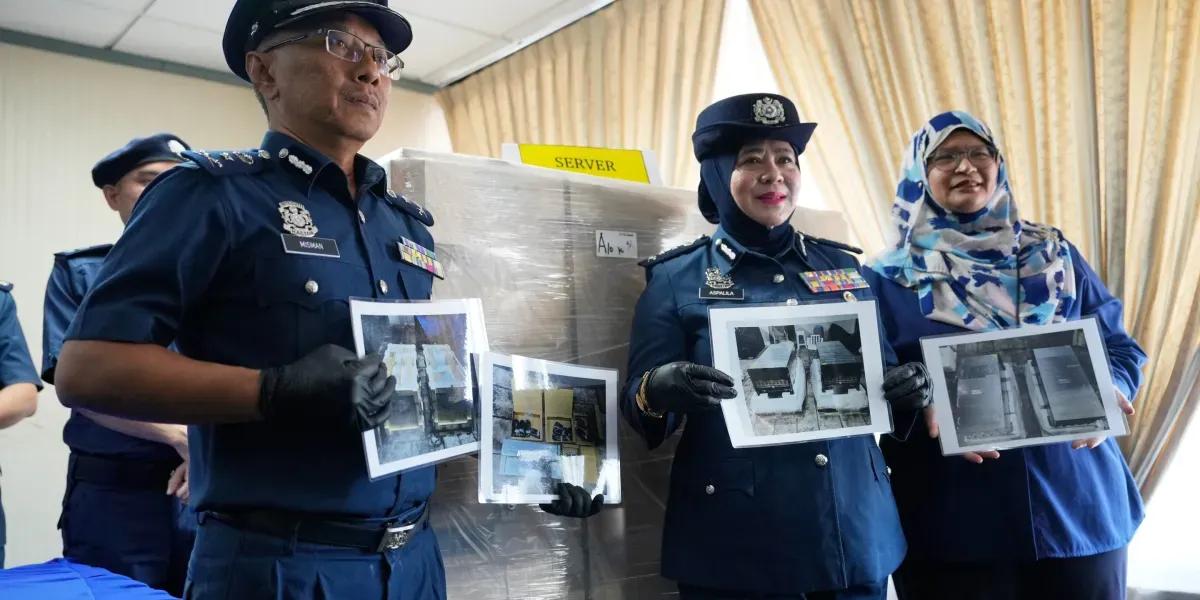
Malaysia customs seized 30 servers containing advanced AI chips valued at approximately $12.2 million (49.5 million Malaysian ringgit) at Kuala Lumpur International Airport's free trade zone on October 15
1
2
. Airport customs director Aspalila Ag Tuah confirmed the servers originated from an Asian country and were destined for another undisclosed Asian nation, with the shipment falsely declared as electronic components to avoid detection3
. This marks the fifth case linked to the same suspected smuggling syndicate this year, bringing the combined value of seizures to over $25 million across multiple operations1
.
Source: Fortune
Syndicate Exploits Malaysia as Strategic Transit Hub
Investigators believe the smuggling syndicate deliberately uses Malaysia as a transit hub to circumvent export controls imposed on high-performance AI chips
2
. The customs department stated that routing shipments through Malaysia allows smugglers to avoid restrictions that would otherwise be imposed during direct exports to their final destinations4
. The country's geographic location and mature logistics infrastructure make it attractive for legitimate international trade, but these same characteristics create vulnerabilities that criminal networks exploit for illicit trade in sensitive technology1
. A Malaysian firm that facilitated the shipment has been summoned to assist in the ongoing investigation2
.U.S. Export Restrictions Drive Underground Market
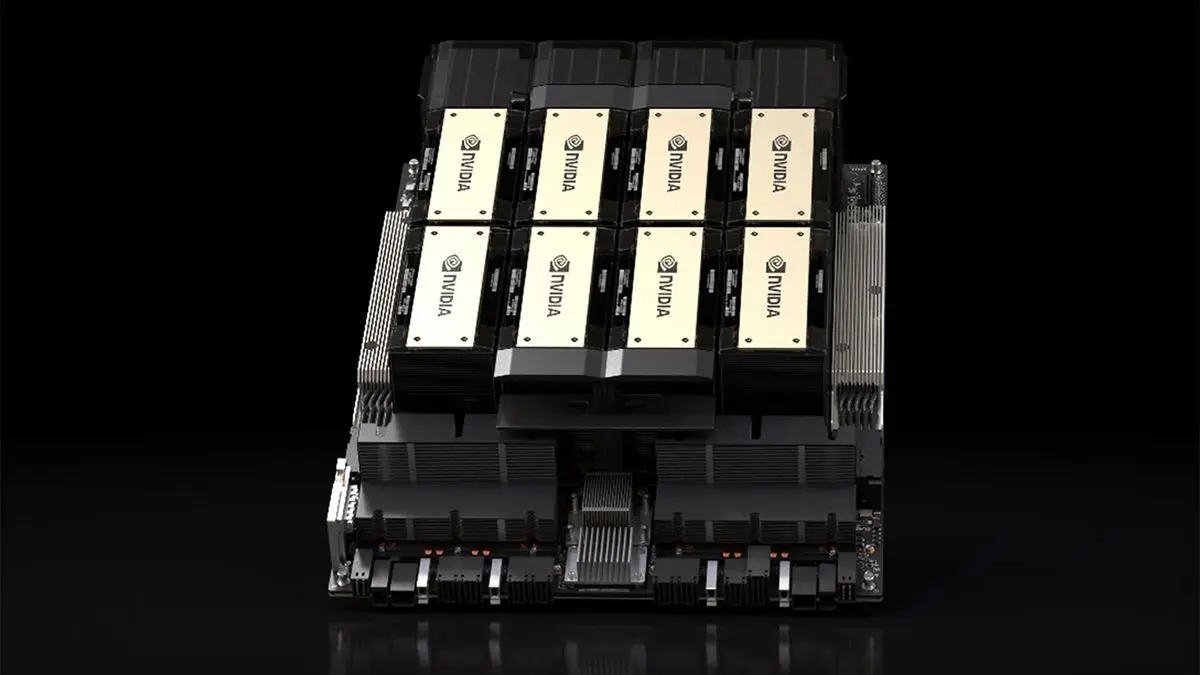
Malaysia introduced permit requirements for the export, transit, and transshipment of high-performance AI chips of U.S. origin last year, responding to pressure from Washington to prevent sensitive technology from being rerouted to China through third countries
2
. The U.S. has sought to restrict China's access to advanced semiconductors to curb Beijing's AI and military capabilities, placing export controls on the movement of advanced Nvidia and other U.S.-origin AI chips1
. Other Asian U.S. allies, including Singapore and Taiwan, have implemented similar controls to close potential smuggling routes1
. Despite these measures, demand for powerful Nvidia GPUs remains exceptionally high in China, fueling a booming underground market for smuggled AI hardware1
5
.
Source: Tom's Hardware
Dual-Use Technology Raises Military Concerns
Malaysia's Ministry of International Trade and Industry (MITI) classifies high-performance AI chips as dual-use items, recognizing their potential applications in both civilian and military technology
3
. Authorities indicated the seized chips could potentially be used to develop military technology, though they declined to provide specific details about chip brands, manufacturing origins, or final destinations while investigations continue3
. Companies must now apply for permits 30 days before AI chips arrive in the country, and violations are investigated under the Strategic Trade Act 20103
. Companies found guilty face fines of up to RM20 million ($4.9 million), while individuals face fines of up to RM10 million ($2.4 million), imprisonment for up to 10 years, or both3
.Related Stories
Pattern of Escalating Smuggling Attempts
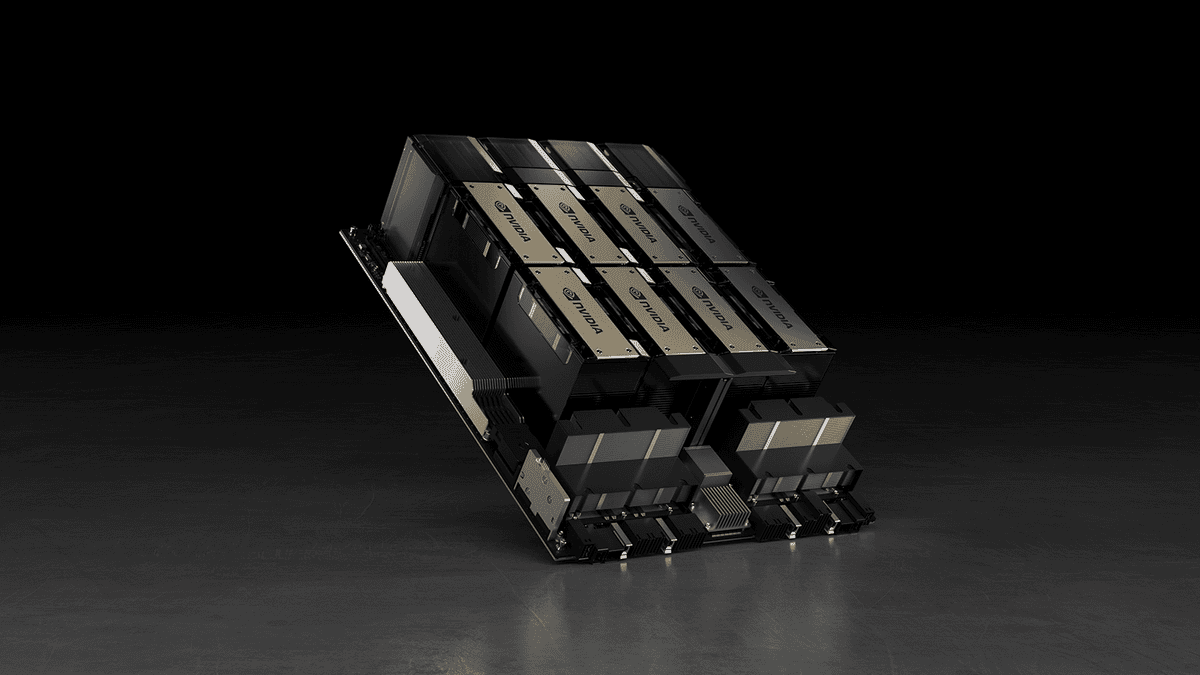
This latest seizure follows a similar incident in June when Malaysia customs discovered 72 server units containing advanced AI chips at Kuala Lumpur International Airport, valued at approximately $13 million
1
. That shipment had also been falsely declared as computer components and was meant to be reshipped without the required permit1
. Aspalila confirmed the network has been linked to seizures worth over $25 million across at least five cases, though no arrests have been made so far1
3
. The pattern suggests organized criminal operations are adapting their methods as enforcement intensifies.
Source: PC Gamer
Global Crackdown on AI Chip Smuggling Networks
The Malaysian seizures reflect a broader regional effort to combat semiconductor smuggling. Last year, Singaporean authorities arrested three men for a separate smuggling attempt, while Taiwanese authorities detained an Nvidia employee earlier this year for another alleged smuggling operation
5
. Nvidia has responded to the wider crackdown by cutting its list of approved buyers in Asia3
. Within the U.S. alone, more than $100 million worth of AI data centre freight has been reportedly stolen since June, indicating criminal activity follows wherever data centre demand remains high5
. As big tech companies continue betting billions on AI infrastructure, the incentive for smuggling operations grows stronger, creating an ongoing challenge for authorities monitoring the movement of these strategic assets across borders.References
Summarized by

Navi
[1]
[3]
Related Stories
Malaysia customs seizes $13 million AI chips hidden as computer parts at Kuala Lumpur airport
26 Jun 2026•Policy and Regulation

Malaysia Implements Trade Permits for U.S. AI Chips Amid Global Export Control Concerns
14 Jul 2025•Policy and Regulation

Singapore seizes $42 million mansion tied to alleged Nvidia AI GPU smuggling route to China
02 Jul 2026•Policy and Regulation

Recent Highlights


Recent Highlights
Today's Top Stories





Don’t drown in AI news. We cut through the noise - filtering, ranking and summarizing the most important AI news, breakthroughs and research daily. Follow topics that matter to you and stay ahead.


