Malaysia Clarifies Stance on AI Project Involving Huawei Chips Amid US-China Tech Tensions


5 Sources
[1]
Malaysia government say not involved in local AI project involving Huawei chips
KUALA LUMPUR, May 21 (Reuters) - Malaysia's government did not develop, coordinate or endorse an artificial intelligence project involving a local company and Huawei Technologies, its trade ministry said in a statement on Wednesday. The statement followed media reports that a Malaysian company,
[2]
Malaysia downplays Huawei deal as U.S. checks China's AI reach
Malaysia declared it'll build a first-of-its-kind AI system powered by Huawei Technologies chips, only to distance itself from that statement a day later, underscoring the Asian nation's delicate position in the U.S.-Chinese AI race. Deputy Minister of Communications Teo Nie Ching said in a speech
[3]
Malaysia Becomes the First Nation Outside China to Deploy Huawei's Ascend Chips, Potentially Violating US Export Control Policies
Malaysia has stepped up the AI race by launching a strategic AI infrastructure project to create a self-reliant ecosystem, backed by Chinese technology. AI has expanded from Big Tech to now governments moving into the AI hype, and as Jensen said in his Computex keynote, the world is moving towards
[4]
Malaysia Says Huawei-Linked AI Project Not Government-Backed
KUALA LUMPUR, Malaysia--Malaysia's trade ministry said the government hasn't backed an artificial-intelligence infrastructure project involving China's Huawei Technologies, coming amid renewed U.S.-China tensions over advanced tech. The clarification was issued in response to recent media reports
[5]
Malaysia government not involved in local AI project involving Huawei chips
KUALA LUMPUR (Reuters) -Malaysia's government did not develop, coordinate or endorse an artificial intelligence project involving a local company and Huawei Technologies, its trade ministry said in a statement on Wednesday, backtracking on a previous announcement. The statement followed local
Share
Copy Link
The Malaysian government distances itself from reports of a local AI project using Huawei's Ascend chips, highlighting the delicate balance in US-China tech relations.
Malaysia's Stance on AI Project with Huawei Chips
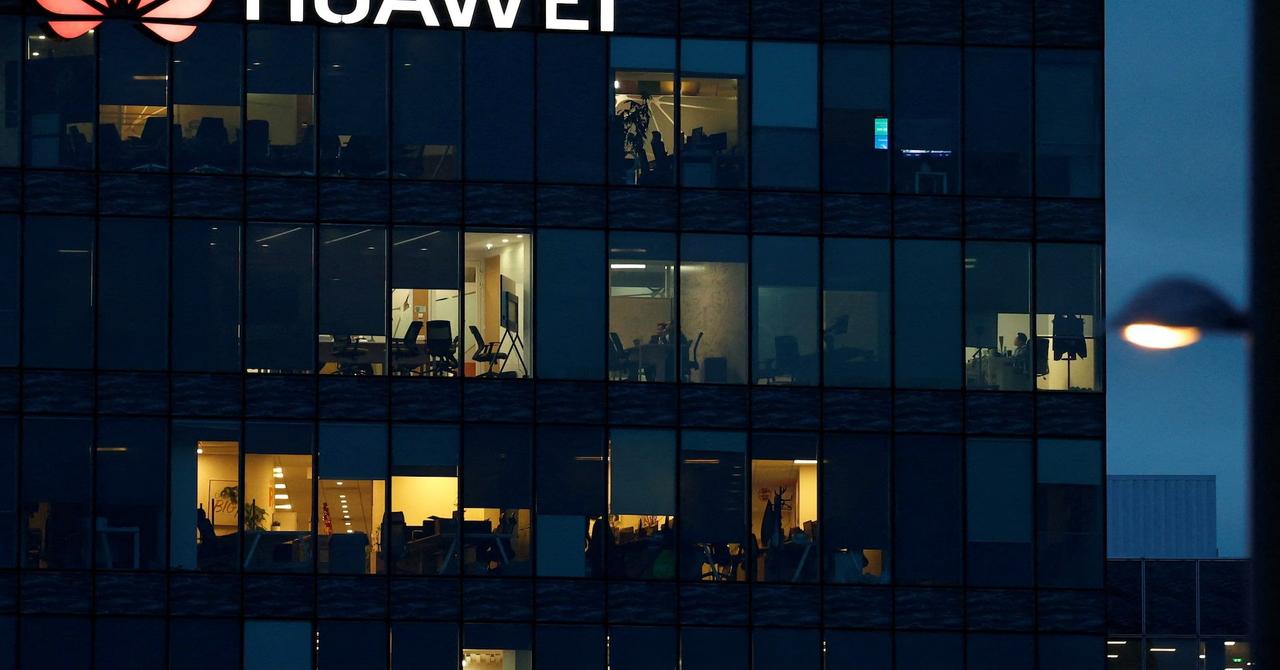
The Malaysian government has officially distanced itself from reports of an artificial intelligence (AI) project involving Huawei Technologies' chips. The Ministry of Investment, Trade and Industry issued a statement clarifying that the government "did not develop, coordinate or endorse" the AI initiative
1
. This clarification comes in response to media reports and public statements about the launch of an AI infrastructure project involving Huawei and a Malaysian company, Skyvast Corporation4
.
Source: Reuters
Initial Announcement and Backtracking
The controversy began when Malaysia's Deputy Minister of Communications, Teo Nie Ching, reportedly announced in a speech that Malaysia would be the first nation to activate Huawei "Ascend GPU-powered AI servers at national scale"
2
. The plan allegedly involved deploying 3,000 units of Huawei's primary AI offering by 20262
. However, the government quickly backtracked on this announcement, emphasizing that any such initiative would need to undergo "appropriate level of legal, operational, and reputational processes and due diligence"4
.Huawei's Response and US Export Controls
Huawei has stated that it has not sold any Ascend chips in Malaysia, and the Malaysian government has not purchased any Ascend chips from the company
5
. This clarification is particularly significant given recent US export control measures. The US Commerce Department issued a directive stating that using Huawei's chips anywhere in the world could be in breach of US export controls, although this language was later amended to say that use of the chips carries risks4
.Geopolitical Implications
The situation highlights the delicate position Malaysia finds itself in amidst the ongoing US-China tech rivalry. Malaysia has previously been accused of playing a "dual-ball" game, allegedly supplying NVIDIA's AI chips to China by leveraging US trade loopholes
3
. The use of Huawei's chips outside of China could potentially indicate growing competition for NVIDIA in the AI chip market3
.Related Stories
Malaysia's Commitment to Compliance
In response to the controversy, Malaysia's trade ministry has reiterated the country's commitment to complying with all relevant export-control laws and global security standards. The ministry stated, "Malaysia also reaffirms its sovereign right to formulate its policies in line with national interests"
4
. This statement underscores Malaysia's attempt to balance its technological ambitions with international obligations and geopolitical sensitivities.The Future of AI Development in Malaysia
Despite the controversy, Malaysia appears to remain committed to developing its AI capabilities. The government has expressed support for building AI-powered infrastructure to enhance public services
4
. However, the incident highlights the challenges faced by countries seeking to advance their technological capabilities while navigating complex international relations and trade restrictions in the rapidly evolving field of AI.References
Summarized by

Navi
[4]
[5]
Related Stories
Malaysia Implements Trade Permits for U.S. AI Chips Amid Global Export Control Concerns
14 Jul 2025•Policy and Regulation

Malaysia Curbs Data Center Growth, Impacting China's AI Chip Access
12 Sept 2025•Policy and Regulation
U.S. Pressures Malaysia to Tighten Semiconductor Regulations Amid Concerns Over AI Chip Flow to China
24 Mar 2025•Technology
Recent Highlights



Recent Highlights
Today's Top Stories



Don’t drown in AI news. We cut through the noise - filtering, ranking and summarizing the most important AI news, breakthroughs and research daily. Follow topics that matter to you and stay ahead.


