Memory Prices Skyrocket as AI Data Centers Consume Silicon Supply, Leaving Consumers Behind


2 Sources
[1]
This Is the Best Price on Memory You'll Find Until After the Great AI Rug Pull
Hard drives, RAM, and SD cards have skyrocketed in price over the last six months as memory-hungry AI data centers consume even more silicon wafers in pursuit of a workable business model. As with most rug pulls, consumers like you and I are left holding the bag (in more ways than one), which so
[2]
AI Is Driving Storage Prices Up, Samsung T9 1TB at 2000MB/s Just Hit Its Best Price Since the Crisis Started
AI data centers are consuming NAND supply and pushing storage prices up for everyone. AI infrastructure demand has been pushing NAND and DRAM prices upward since the start of the year, and external SSD pricing for consumers has followed. Against that backdrop, the Samsung T9 1TB SSD just hit its
Share
Copy Link
Memory prices for hard drives, RAM, and SD cards have surged dramatically over the past six months as AI data centers consume massive amounts of silicon wafers. The Samsung 990 Evo Plus SSD, which sold for $140 a year ago, now hovers above $600, with Prime Day deals offering temporary relief at $370. Consumers face the financial burden of AI infrastructure demand.
AI Data Centers Drive Unprecedented Surge in Memory Prices
Consumers are experiencing a dramatic increase in consumer storage costs as AI data centers consume unprecedented amounts of NAND and DRAM supplies. Over the past six months, memory prices for hard drives, RAM, and SD cards have skyrocketed, leaving everyday buyers to absorb the financial impact of AI infrastructure demand
1
. The situation reflects a broader market shift where memory-hungry AI facilities prioritize silicon wafers in pursuit of viable business models, creating supply constraints that ripple through the consumer market.The scale of this AI driving storage prices up phenomenon becomes clear when examining specific products. The Samsung 2-TB 990 Evo Plus SSD, a top-performing NVMe M.2 PCIe drive, sold for just $140 a year ago
1
. Six months ago, the same drive cost $300. But recent months have seen it hovering well above $600, representing more than a 300% increase from its original pricing. Prime Day brought temporary relief at $370, though this "deal" still reflects prices nearly triple what consumers paid in early 2024.Samsung SSD Performance Remains Strong Despite Market Dynamics
Despite the pricing pressure, the Samsung SSD lineup continues to deliver exceptional performance. The Samsung 990 Pro SSD achieved speeds of 7,458 MB/s reads in testing, closely matching its claimed 7,450 MB/s read and 6,900 MB/s write speeds
1
. This level of performance makes the drive ideal for intensive tasks like 4K video editing, gaming, and compiling software. The drive also generates minimal heat during operation, a crucial advantage for sustained high-performance workloads.The Samsung T9 1TB portable SSD represents another bright spot in the storage landscape, recently hitting $179 on Amazon from its $287 standard price
2
. This marks the best price since storage price increases began in January. The T9 delivers 2000MB/s read and write speeds via USB 3.2 Gen 2×2, doubling the throughput of standard portable SSDs and eliminating bottlenecks for ProRes recording and professional workflows.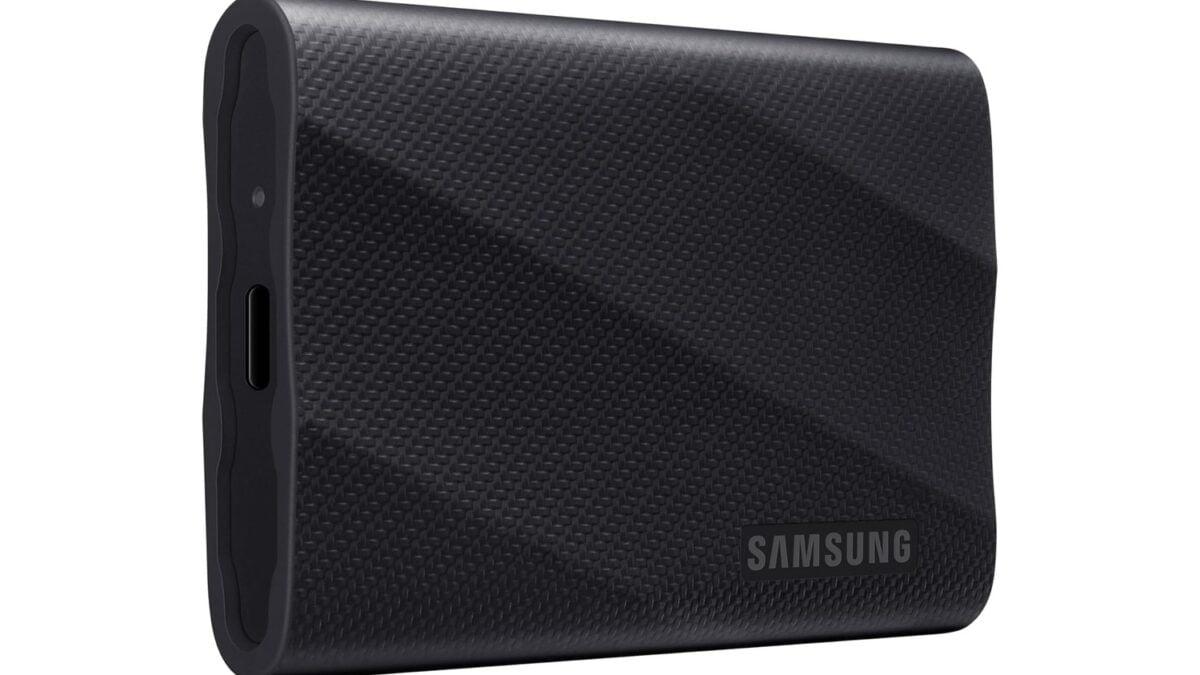
Source: Gizmodo
NAND and DRAM Prices Reflect Supply Chain Pressures
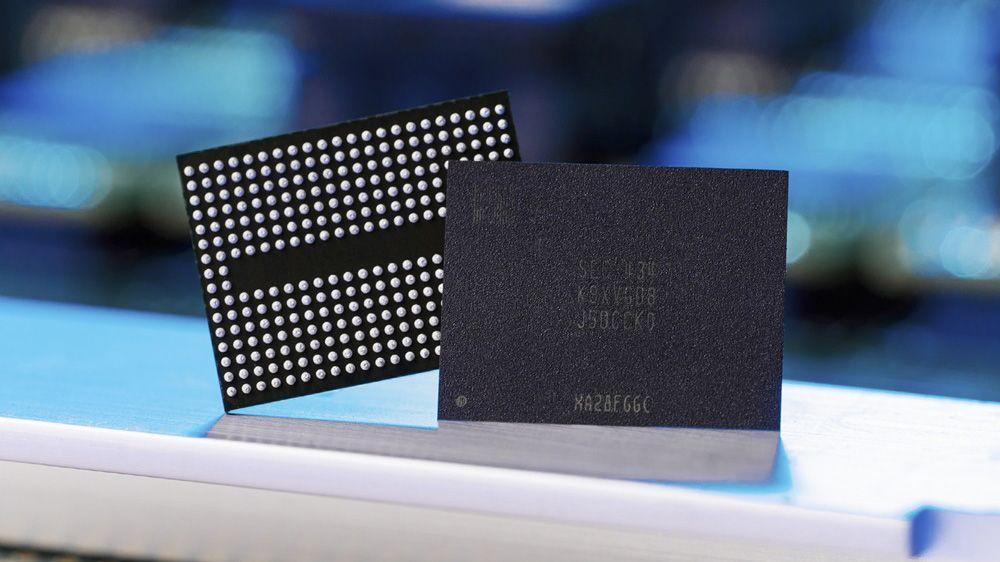
The broader NAND and DRAM prices crisis stems from AI data center buildout consuming flash supply at an unprecedented scale throughout 2025
2
. Samsung manufactures its own NAND and DRAM in-house, providing more supply chain control than competitors who source components externally. However, even this vertical integration advantage cannot fully insulate consumer prices from broader market dynamics. The company's ability to offer competitive deals during sales events like Prime Day demonstrates some pricing flexibility, but the underlying pressure remains.For iPhone 15 and 16 users, the T9 supports ProRes 4K at 60fps video recording directly to the external drive, a use case requiring sustained write speeds that standard portable SSDs cannot maintain
2
. The Dynamic Thermal Guard technology monitors drive temperature during heavy use and manages heat proactively, ensuring the SSD maintains rated speeds during long transfer sessions rather than throttling performance. AES 256-bit encryption protects data without software performance penalties.Related Stories
What Consumers Should Watch For
Lexar SD cards have seen less dramatic price increases compared to SSDs and RAM, though upward trends are emerging
1
. The Lexar Gold cards, capable of handling 6K video recording with storage up to 512 GB, remain relatively accessible. Industry observers expect memory prices to remain elevated through the remainder of 2025, with no clear signs of the AI infrastructure buildout slowing. Consumers planning major storage purchases should consider acting during promotional periods, as these temporary price reductions may represent the best available deals until supply constraints ease or AI infrastructure demand stabilizes.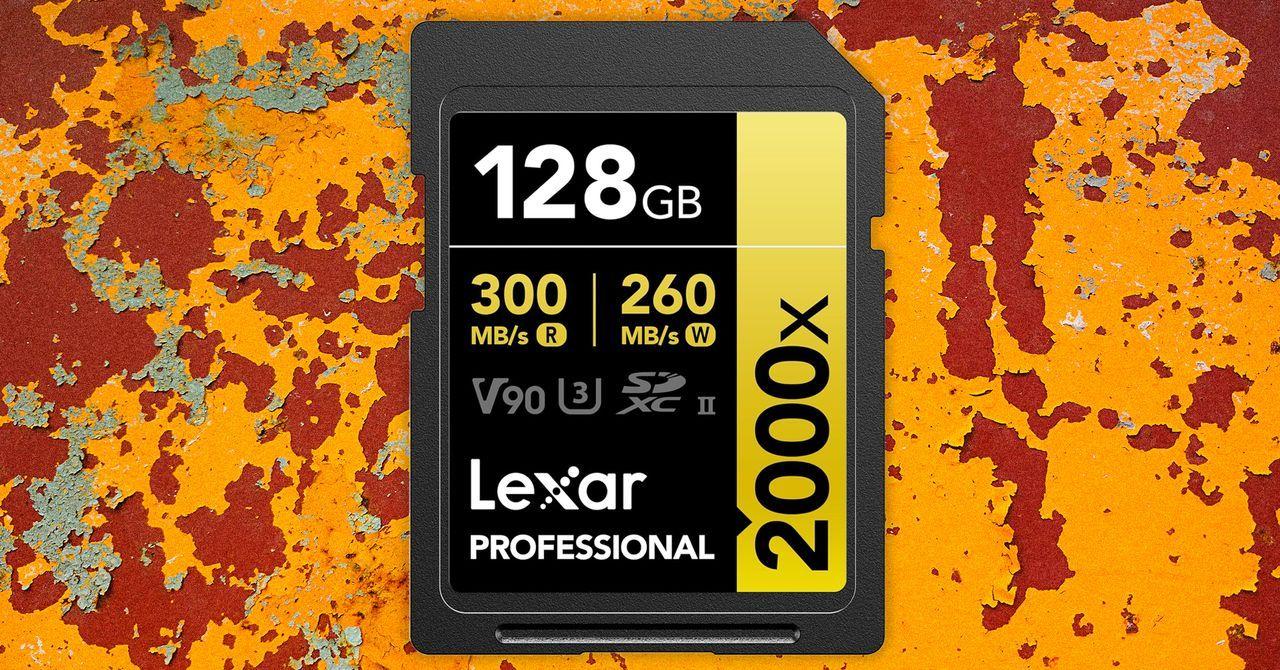
Source: Wired
References
Summarized by

Navi
Related Stories
Apple Store storage prices surge as AI data centers devour memory chips, SanDisk SSDs hit 200% hike
23 Mar 2026•Business and Economy
Memory prices surge 300% as AI demand creates supply shortage for consumers and PC makers
26 Jan 2026•Business and Economy

Memory shortage to persist beyond 2026 as AI demand reshapes chip industry and drives prices up
16 Jan 2026•Business and Economy

Recent Highlights



Recent Highlights
Today's Top Stories












Don’t drown in AI news. We cut through the noise - filtering, ranking and summarizing the most important AI news, breakthroughs and research daily. Follow topics that matter to you and stay ahead.


