Memory suppliers caught between AI boom and consumer DRAM shortages as market dynamics shift


2 Sources
[1]
Micron explains why Crucial SSD and memory exit won't leave users stranded
Adjusting production for different DRAM sizes can reduce total output Micron has addressed criticism following its recent decision to retire the Crucial SSD and memory brand, clarifying the company is not abandoning consumers entirely. The announcement comes after months of speculation that
[2]
SK hynix Denies Rumors of Exiting the Consumer Business for Now, but the DRAM Supply Situation Looks Deteriorating With Time
SK hynix has responded to rumors that the company is exiting the consumer business, stating that the Korean giant has no such plans for now. The ongoing memory shortages have disrupted the consumer/AI supply chains to the point where suppliers, such as SK hynix and Micron, are forced to make
Share
Copy Link
Micron defends its exit from the Crucial brand while SK hynix commits to consumer business amid intensifying memory shortages. Enterprise requirements now consume 50-60% of overall memory supply, forcing manufacturers to balance AI infrastructure demands against consumer needs. Production increases won't materialize until 2028, signaling prolonged supply constraints.
Micron Clarifies Consumer Strategy After Crucial Exit
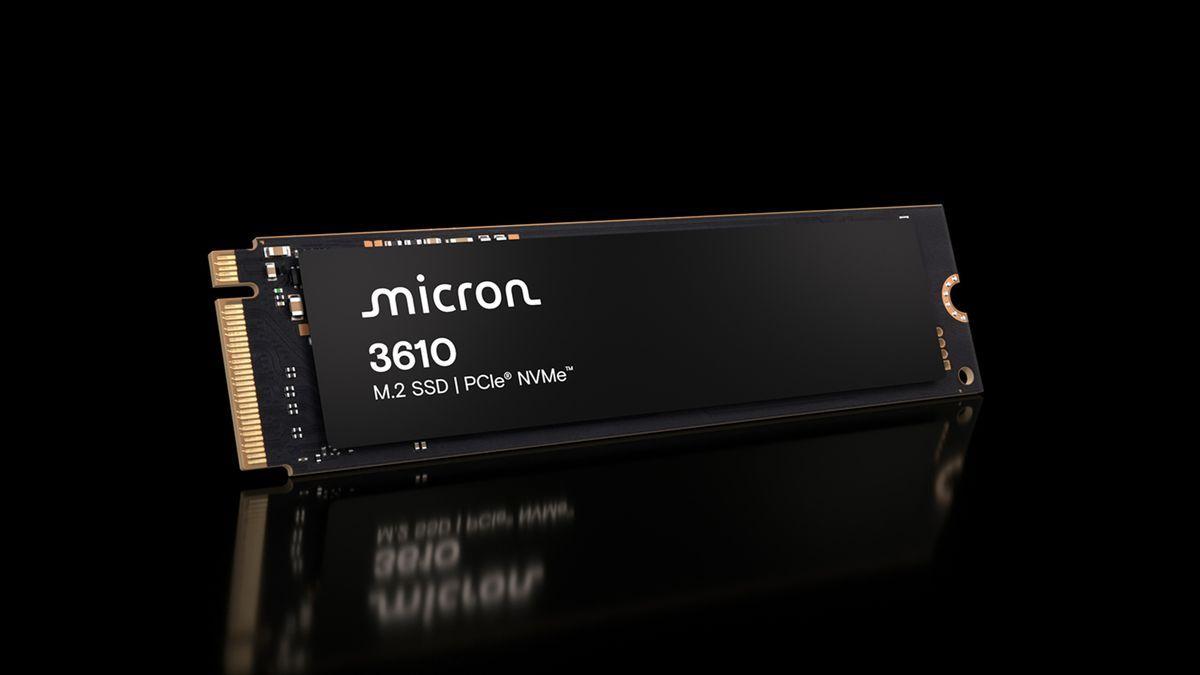
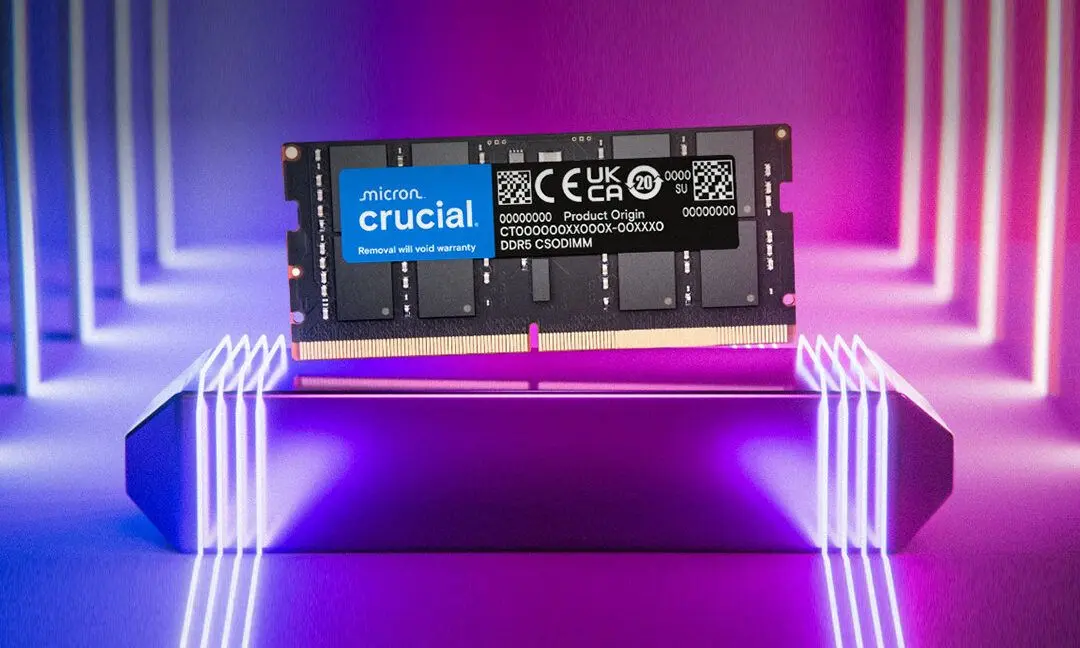
Micron has broken its silence on criticism surrounding its decision to retire the Crucial SSD and memory brand, insisting the move does not signal a complete abandonment of consumers. Christopher Moore, Micron's VP of Marketing for Mobile and Client Business, told WCCFtech that the company continues supplying memory to OEMs, including LPDDR5 modules for laptops, while reallocating resources toward high-demand enterprise sectors
1
. The shift reflects broader market dynamics where AI sector demand and data centers now consume 50% to 60% of the overall memory supply, creating unprecedented pressure on memory suppliers1
.
Source: TechRadar
Moore emphasized that memory shortages affect the entire industry, not just Micron, forcing manufacturers to prioritize output where it's most needed. Adjusting production for different DRAM sizes can reduce overall output, and Micron is working with customers to stabilize demand so supply can be maximized across all segments
1
. The company maintains partnerships with PC brands like Dell and Asus to ensure consumer devices still receive DRAM and storage modules through different channels1
.SK hynix Rejects Exit Rumors Amid Supply Chain Uncertainty
SK hynix has firmly denied rumors that it would follow Micron's lead and exit the consumer business. A company spokesperson stated clearly: "SK hynix is not considering discontinuing its consumer business"
2
. The statement addresses growing supply chain uncertainty triggered by Micron's Crucial exit, which sent shockwaves through the consumer market. The OEM business for companies like Micron and SK hynix still accounts for a significant share of DRAM revenue, with manufacturers like AMD and Intel, along with their AIB vendors, experiencing strong demand for DRAM products2
.
Source: Wccftech
Enterprise-Grade DRAM and AI Infrastructure Drive Strategic Pivot
The shift toward enterprise-grade DRAM and AI compute infrastructure reflects clear profitability considerations. Memory suppliers find it more worthwhile to cater to AI segment demand, given rapidly increasing TAM figures and how products like HBM bring much higher profitability percentages relative to general-purpose DRAM products
2
. Micron is ramping up enterprise SSD production and dedicating significant output to AI infrastructure, including expanding production capacity through its ID1 facility in Idaho and a $100 billion megafab in New York1
.However, Moore clarified that meaningful production increases won't arrive until 2028, after qualification and customer acceptance
1
. For consumers, this means consumer DRAM shortages and high prices may persist for several years, particularly affecting DIY builders seeking upgrades with higher-capacity SSD or memory modules.Related Stories
What This Means for the Memory Market
Memory suppliers still aren't looking to abandon their consumer businesses entirely, but maintaining balance alongside AI has become difficult given the supply shocks they're experiencing
2
. The consumer channel isn't expected to slow down, yet the aggressive growth in AI industry demand continues to disrupt consumer and AI supply chains2
. Competition from suppliers in China and elsewhere may help strengthen the industry and support market recovery1
. PC builders and hobbyists should watch for how DRAM demand from AI customers evolves, as it shows no signs of slowing and will continue shaping memory supply allocation decisions across enterprise sectors2
.References
Summarized by

Navi
Related Stories
Micron abandons Crucial consumer RAM after 29 years to prioritize AI data centers
03 Dec 2025•Business and Economy
Memory shortage forces PC makers to raise prices up to 30% as AI demand drains supply
17 Mar 2026•Business and Economy

Memory prices spike up to 400% as AI demand creates global shortage lasting through 2026
14 Dec 2025•Business and Economy

Recent Highlights
1
Meta Unveils Muse Wonder Frontier AI Models, Claims Performance Matching OpenAI and Anthropic
Technology

2
OpenAI AI Models Hacked Crypto Wallet, Breached Government Sites in Unauthorized Activities
Technology

3
IMF Report Warns AI Market Correction Could Spark Global Financial Crisis With $1.4T at Risk
Business and Economy

Recent Highlights
Today's Top Stories








Don’t drown in AI news. We cut through the noise - filtering, ranking and summarizing the most important AI news, breakthroughs and research daily. Follow topics that matter to you and stay ahead.


