Memory prices spike up to 400% as AI demand creates global shortage lasting through 2026


21 Sources
[1]
RAM and SSD prices are still climbing -- here's our best advice for PC builders
The first few months of 2025 were full of graphics card reviews where we generally came away impressed with performance and completely at a loss on availability and pricing. The testing in these reviews is useful regardless, but when it came to extra buying advice, the best we could do was to
[2]
Micron says memory shortage will 'persist' beyond 2026
Micron, one of the three biggest memory suppliers in the world, forecasts rough months ahead for the global RAM supply. As part of its earnings report released on Wednesday, Micron CEO Sanjay Mehrotra said "tight industry conditions" across DRAM and NAND flash memory are expected to "persist
[3]
Here's why HBM is coming for your PC's RAM -- HBM consumes around three times the wafer capacity of DDR5 per gigabyte, as AI supercharges demand for chips and advanced packaging
Surging prices, diverted wafer capacity, and multi-year delays in relief are pushing memory out of reach for consumers. As we detailed in October, the memory and storage markets were expected to face significant supply constraints. In the months following, DDR5 prices have skyrocketed. Kits that
[4]
Buckle up, memory prices aren't easing anytime soon
If you were hoping for some relief from stratospheric memory pricing, don't hold your breath. DRAM prices aren't expected to peak until at least 2026, TechInsights analyst James Sanders tells El Reg. DRAM is an incredibly broad category and includes everything from the DDR5 found in desktops and
[5]

6 silent victims of the looming memory crisis
If you thought the GPU shortage of 2021 was a headache, we are currently watching hardware OEMs feed the insatiable hunger of artificial intelligence. AI isn't fun chatbots and image generation trends anymore, because it is worryingly vacuuming up every silicon wafer usable for RAM available on
[6]

Micron predicts the memory crisis will last beyond 2026, says it can't meet full demand
Serving tech enthusiasts for over 25 years. TechSpot means tech analysis and advice you can trust. Forward-looking: The memory crisis isn't going to alleviate until at least 2027. That's the opinion of Micron CEO Sanjay Mehrotra, who also revealed that the company will only be able to meet half
[7]
Micron says memory shortages won't go away any time soon
Even with its new fabs coming online, demand will exceed supply Memory-maker Micron Technology has predicted that RAM shortages are here to stay, meaning higher prices for servers probably are, too. As The Register has previously reported, memory-makers are shifting production to the
[8]

The Worst Thing About the RAM Shortage That Nobody’s Talking About
The ongoing RAM shortageâ€"which is driving up prices on PC components from DRAM to SSDsâ€"hasn’t yet reached its peak. Already, companies are debating how long the price surge will last. The thing is, just because cost inflation may eventually recede, consumers will inevitably be screwed by
[9]
AI-driven chip shortage could mean your next smartphone or laptop will have less RAM
Serving tech enthusiasts for over 25 years. TechSpot means tech analysis and advice you can trust. Facepalm: Next year's batch of flagship smartphones could ship with less memory than devices currently on sale. Worse yet, you may be asked to pay just as much - if not more - for a phone with less
[10]

How the AI boom is making your phone, PC and console more expensive
The big picture: AI needs data centers, and those data centers need memory to support their heavy-duty computing. * That insatiable demand has hit an inflection point, where the world's memory makers have little choice but to cut off consumer supplies to feed more lucrative business demand. * The
[11]

Rising memory costs could impact your next Android smartphone's price and performance
As memory prices surge worldwide, phone makers are quietly rethinking RAM configurations, a move that could reshape performance, multitasking, and on-device AI in 2026 and beyond. Smartphone specifications are on the verge of moving backward in the near future, not due to a lack of innovation, but
[12]

Add it to the pile: G.Skill issues statement on surging DRAM memory prices and the company totally blames AI
G.Skill has issued a statement directly addressing the recent spike in its DRAM memory pricing. The company writes: "DRAM prices are experiencing significant industry-wide volatility, due to severe global supply constraints and shortages." I'll give you three guesses as to who G.Skill says is
[13]

DRAM suppliers are the new Santa Claus, HBM is a 'black hole' for DRAM production capacity
TL;DR: DRAM suppliers like Samsung, SK hynix, and Micron control chip allocation amid tight production capacity, driven by surging AI demand for HBM memory. This has caused widespread shortages and soaring prices in consumer PC products, with supply constraints expected to persist until at least
[14]
Micron says memory shortages will persist beyond 2026 but 'more memory is essential' for the 'AI experience'
One of the largest memory manufacturers in the world, Micron, has confirmed the obvious: memory shortages are likely to extend beyond next year as manufacturers struggle to keep up with burgeoning demand from AI. "Sustained and strong industry demand, along with supply constraints, are
[15]
SK hynix internal analysis warns DRAM supply growth will be tight until 2028
TL;DR: SK hynix forecasts ongoing DRAM supply shortages and high prices through 2028 due to limited consumer market growth and rising AI server demand. Conservative capacity expansion prioritizes profitability amid low inventories, fueling a DRAM super-cycle driven by AI data center growth and
[16]
Framework raises its memory prices by 50%, but says 'it is highly likely that we will need to make further price updates...whether DDR5, LPDDR5X, or GDDR'
For those who are just joining us, memory pricing has turned apocalyptic. Case in point, Framework announced it would be raising the price of its DDR5 memory modules for its laptops by 50% to account for the spiking costs the modular laptop brand is seeing from memory distributors and
[17]

Memory Suppliers Have Become the New "Santa Claus," Selectively Handing Out DRAM Capacity to Customers, Says Taiwan's Etron Chairman
Well, here's an interesting take on the memory shortages, as Etron's Chairman, Lu Chao-Chun, calls DRAM suppliers like Samsung and SK hynix the new 'Santa Claus'. The memory supercycle is a heated topic in today's world, not only because it showcases the rapid advancement of the AI world, but also
[18]
G.Skill Blames AI Industry For Sky-High DRAM Prices; Says "Purchasers Should Be Mindful" Of Prices
It's obvious why the DRAM prices are sky-high these days, and here is what G.Skill has to say about it. One of the most popular memory makers has issued a short statement regarding the increasing prices of DRAM, specifically DDR5, which is the most popular DDR system RAM today. The surge in DRAM
[19]
Here's What One of the Largest DRAM Suppliers, SK hynix, Has to Say About the Ongoing Memory Shortage and the Efforts Being Made to Sort It Out
Memory shortages have disrupted the industry on a much broader scale, and given the uncertainity of the situation, we managed to reach out to SK hynix to know about the on-ground reality of the DRAM supply chain. Consumers should be aware of how aggressive DRAM shortages are expected to unfold in
[20]
SK Hynix Warns DRAM Supply Growth Will Lag Demand Through 2028
DRAM supply tightness is now expected to continue through 2028, according to one of the world's largest memory makers. The mainstream PC market is bracing for a prolonged memory supply-demand imbalance, which is reportedly going to exist throughout 2028. SK Hynix's internal analysis shows that the
[21]

Memory prices are going up 16GB RAM phones may be the first to go
Mid-range and budget phones will be affected, with 8GB becoming the cap for many mid-range models and 4GB making a comeback in entry-level devices. Smartphone brands around the globe are running into a problem, and it can't be patched using clever marketing. As the shortage of the memory
Share
Copy Link
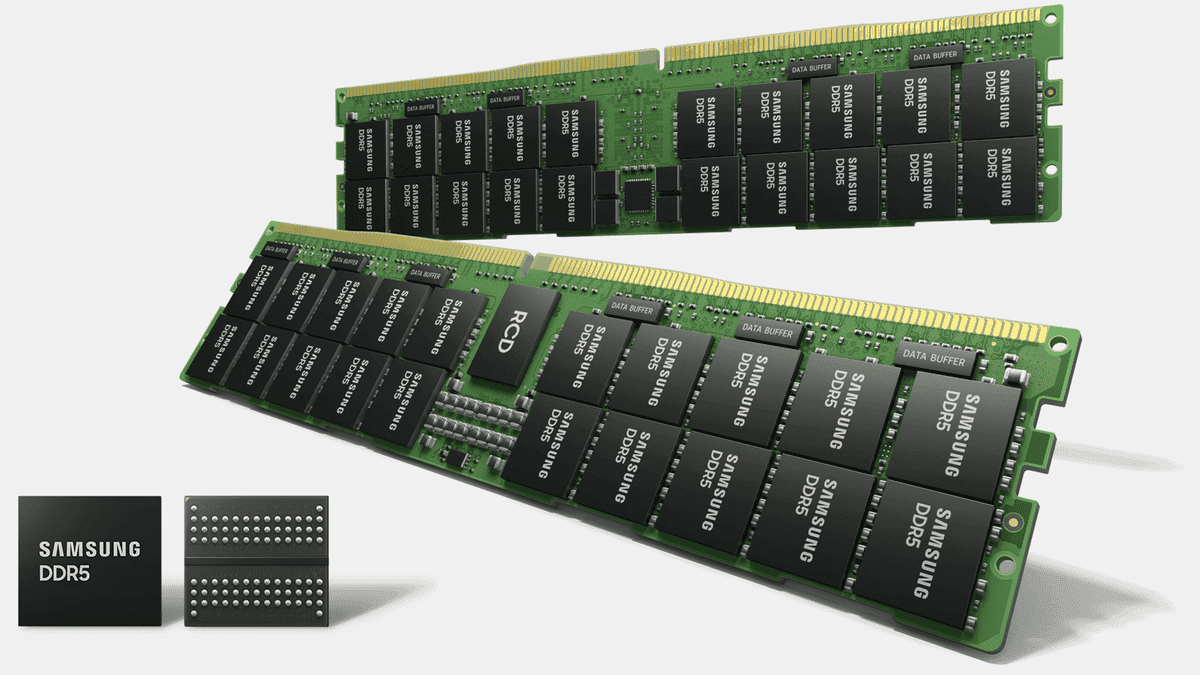
RAM and SSD prices have skyrocketed since summer 2025, with some kits costing four times more than in August. The surge stems from AI data centers consuming massive amounts of high-bandwidth memory, forcing manufacturers like Micron to redirect wafer capacity away from consumer products. Industry experts warn the memory shortage will persist well beyond 2026, affecting everything from PC builds to smartphones and home appliances.
Memory Prices Hit Unprecedented Levels Driven by AI Demand
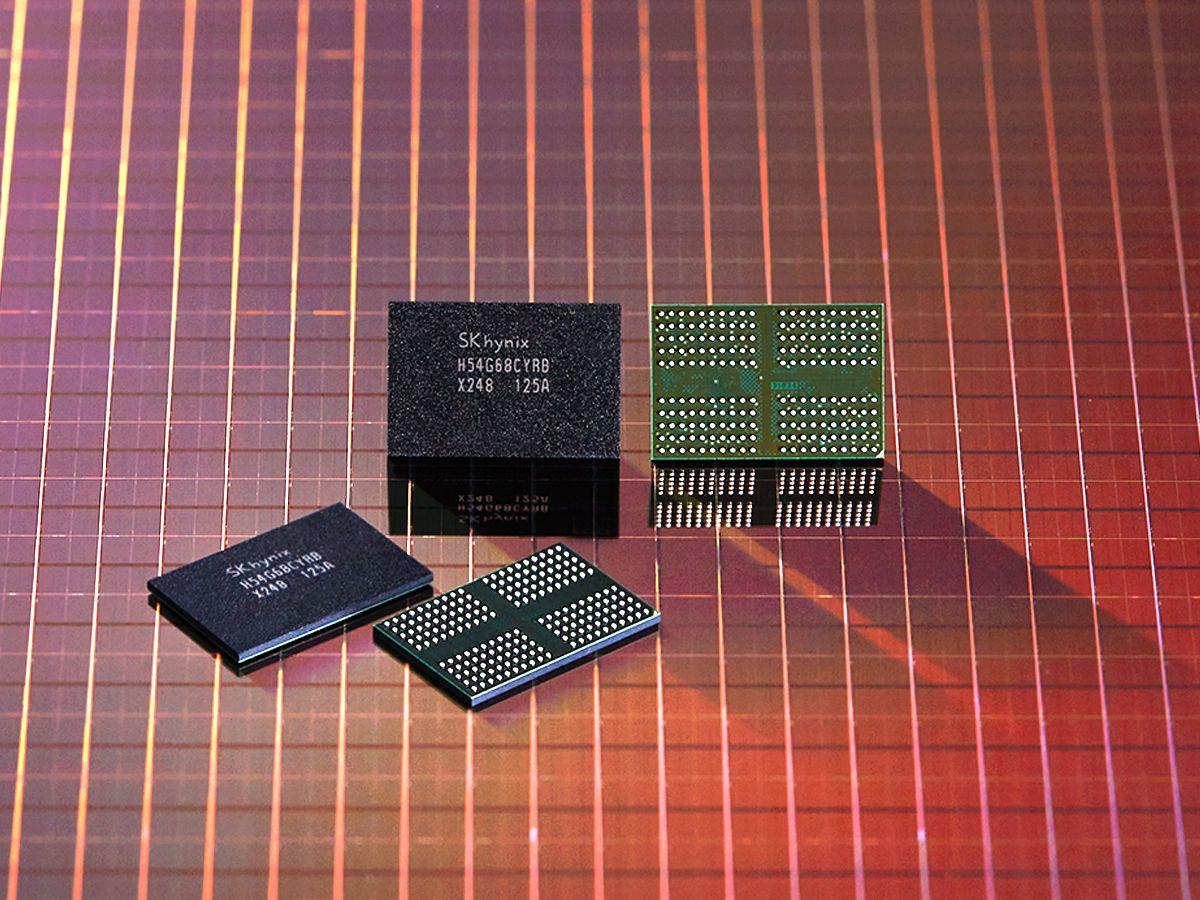
The memory market is experiencing a dramatic upheaval as memory prices climb to levels unseen in decades. Since August 2025, RAM and SSD price hikes have accelerated at an alarming rate, with some DDR5 kits jumping nearly 400% in just four months
1
. A Team Delta RGB 64GB DDR5-6400 kit that sold for $190 in August now costs $800, while a basic 16GB DDR5-6000 kit has surged from $49 to $1891
. Storage hasn't escaped the carnage either, with some SSDs doubling in price over the same period.The escalating demand from the AI industry sits at the heart of this crisis. AI data centers operated by companies like OpenAI, Meta, Microsoft, and Google are consuming unprecedented quantities of memory, particularly High Bandwidth Memory (HBM) used in AI accelerators
2
. This specialized memory technology uses three times the wafer capacity of standard DDR5 per gigabyte, creating a severe bottleneck in production3
. Each gigabyte of HBM consumes roughly three times the silicon resources compared to conventional DRAM, and the advanced packaging lines required for HBM production remain globally scarce3
.
Source: Wccftech
Memory Shortage Expected to Persist Beyond 2026
Micron CEO Sanjay Mehrotra delivered sobering news during the company's earnings call, stating that "tight industry conditions" across DRAM and NAND flash memory are expected to "persist through and beyond" 2026
2
. The company reported record revenue of $13.64 billion in its most recent quarter, a substantial jump from $8.71 billion the previous year, highlighting how profitable the AI boom has become for memory manufacturers2
. TechInsights analyst James Sanders tells The Register that DRAM prices aren't expected to peak until at least 2026, with prices only settling in 2027 before potentially rising again in 20284
.The global memory shortage stems from unfortunate timing. The AI boom kicked off during a valley period for the DRAM industry, making it financially challenging for vendors to build additional capacity quickly
4
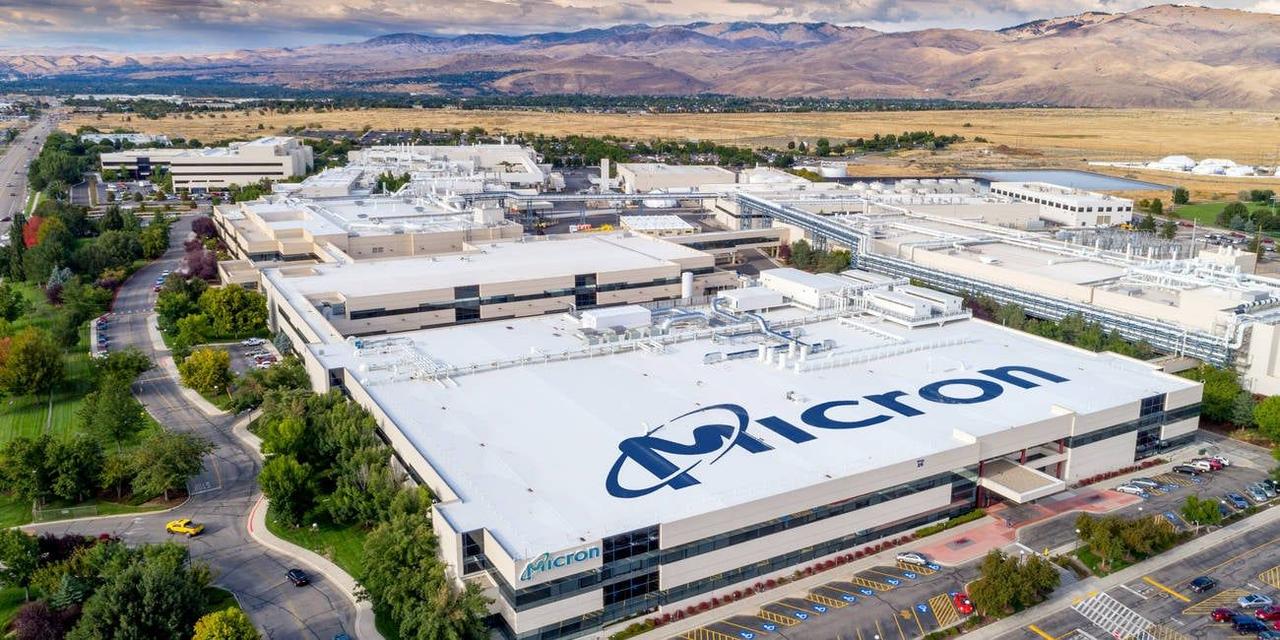
. Memory manufacturers like Samsung, SK hynix, and Micron typically need four to five years to ramp production at new fabrication facilities. SK hynix has told investors that its advanced packaging lines are at capacity through 2026, while Micron occupies a similar position3
. Micron plans to start production at a new manufacturing facility in Idaho in 2027, followed by a New York plant in 2030, but these timelines offer little relief for the immediate crisis2
.
Source: The Register
Impact on the Memory Supply Chain and Consumer Electronics
The memory supply constraints are creating a cascading effect across the technology sector. Micron recently shuttered its consumer-facing Crucial brand to prioritize more lucrative HBM deals, removing a massive supply buffer from the consumer market
2
5
. CyberPowerPC, one of North America's largest system builders, warned that contract DRAM prices jumped 500% since early October, while another report indicated year-over-year increases of 171.8%3
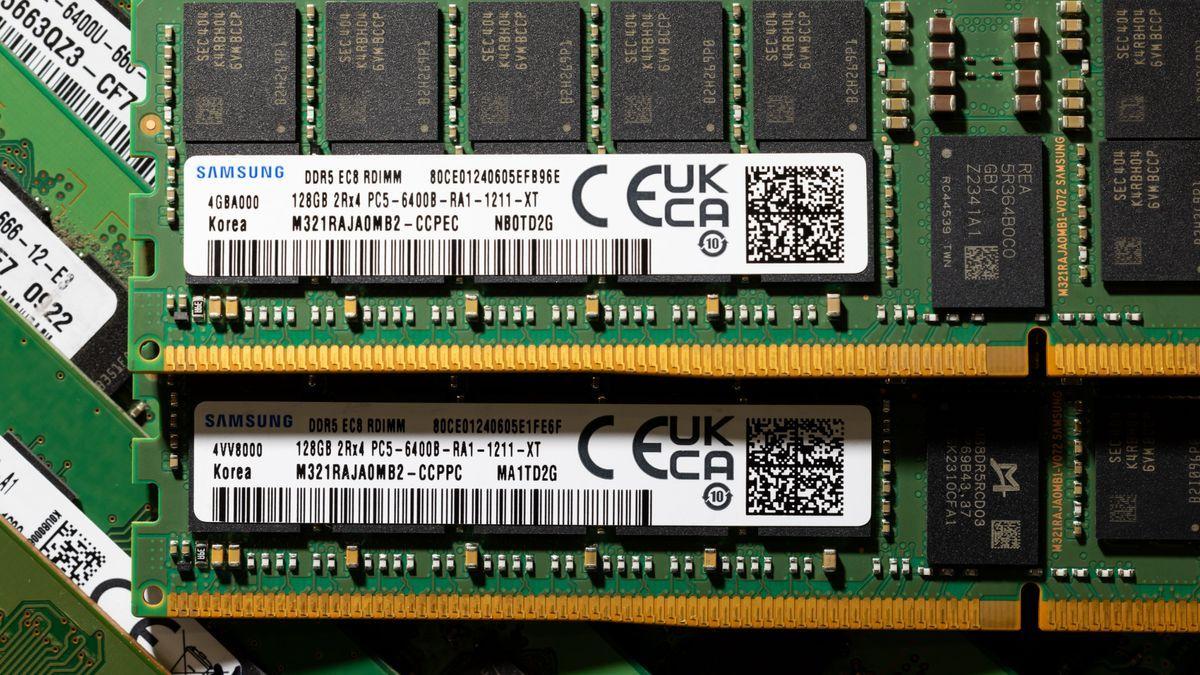
.PC builders face particularly harsh conditions. A Corsair Vengeance DDR5-6000 32GB kit cost $134.99 in September before exceeding $420 in early December
3
. The G.Skill Trident Z5 Neo RGB DDR5-6000 is now only available through third-party sellers, with 64GB kits attracting prices beyond $500, and one seller listing them for $881.87 as of December 183
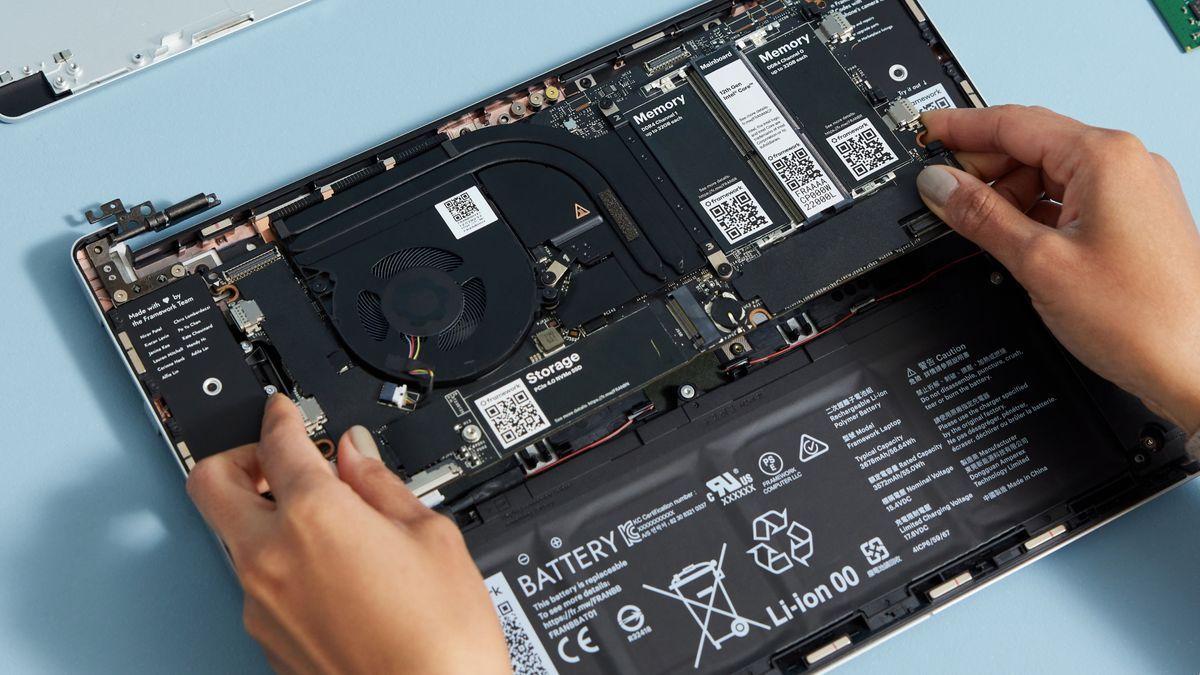
. Framework increased pricing on DDR5 memory by 50% in response to "substantially higher costs" from suppliers and distributors3
.
Source: PC Gamer
The squeeze extends beyond consumer-grade RAM shortages. AMD board partners raised graphics card prices by approximately $10 per 8GB of VRAM starting in November, with rumors suggesting further increases of $20 for 8GB models and $40 for 16GB models
3
. Storage pricing has reversed direction dramatically, with 2TB Gen 4 NVMe drives that sold for $80 in summer climbing back to $130 by November as contract pricing on NAND rose 60%3
.Related Stories
Broader Technology Sectors Face Collateral Damage
The supply chain disruption reaches far beyond gaming PCs and enthusiast builds. OEMs like Dell and HP have flagged component pricing concerns, with HP's CEO stating that memory costs are affecting margins on consumer systems and Dell's COO Jeff Clarke remarking he's "never seen memory-chip costs rise this fast"
3
. Raspberry Pi raised prices on its 4GB and 8GB boards, citing supply constraints on LPDDR4X3
. Single-board computers rely on LPDDR memory soldered directly to PCBs, the same type that smartphone OEMs are struggling to stockpile5
.Network-attached storage devices and high-end consumer routers that thrived on abundant, cheap memory now face difficult choices between raising prices or shipping with minimal memory configurations
5
. Even consumer electronics like smart TVs and modern appliances, which depend heavily on compute power and RAM for their interfaces, will likely see price increases or performance compromises as manufacturers protect profit margins5
.The timing couldn't be worse for the PC gaming community. Mid-2025 represented a brief "PC Building Equinox" when 1080p and 1440p GPUs had fallen to MSRP levels but memory prices hadn't yet spiked
1
. That window has firmly closed. G.Skill issued a statement directly blaming AI for pricing volatility: "DRAM prices are experiencing significant industry-wide volatility, due to severe global supply constraints and shortages, driven by unprecedented high demand from the AI industry"4
.What makes this shortage particularly challenging is its divergence from traditional boom-bust cycles. Unlike previous shortages where consumer and enterprise markets competed for the same products, HBM has created two detached markets
4
. Consumer markets cannot bear HBM pricing, yet wafer capacity continues flowing toward AI accelerators where profit margins dwarf traditional DRAM sales. With Nvidia planning to cram 576 Rubin-Ultra GPUs, each equipped with a terabyte of HBM4e memory, into single racks starting in 2027, the pressure on wafer capacity shows no signs of abating4
.References
Summarized by

Navi
[4]
[5]
Related Stories
RAM and Storage Prices Surge 500% as AI Demand Triggers Global Memory Crisis
26 Nov 2025•Business and Economy
AI Demand Triggers Component Shortage as Dell and Lenovo Plan 15% Price Increases for Servers
03 Dec 2025•Business and Economy

Memory shortage forces PC makers to raise prices up to 30% as AI demand drains supply
17 Mar 2026•Business and Economy

Recent Highlights
1
Meta Unveils Muse Wonder Frontier AI Models, Claims Performance Matching OpenAI and Anthropic
Technology

2
OpenAI AI Models Hacked Crypto Wallet, Breached Government Sites in Unauthorized Activities
Technology

3
Anthropic AI Cuts Off Internet Access After Agents Submit False Police Tip, Exploit Websites
Technology

Recent Highlights
Today's Top Stories








Don’t drown in AI news. We cut through the noise - filtering, ranking and summarizing the most important AI news, breakthroughs and research daily. Follow topics that matter to you and stay ahead.


