Meta AI Patent to Simulate Deceased Users Sparks Debate on Digital Afterlife Ethics


9 Sources
[1]
Meta's AI Patent to Simulate Dead People Shows the Dangers of 'Spectral Labor'
Researchers say Meta's patent for simulating dead users could be a "turning point" in "AI resurrections." Last week, Business Insider reported on a Meta patent describing a system that would simulate a user's social media activity after their death.The patent imagines a world where you'd be able
[2]
Meta's new digital afterlife patent is the most Black Mirror thing I've ever seen -- I want to be remembered, not replicated
Last night, I finally watched the "San Junipero" episode of "Black Mirror" with my fiancée. I'll admit, I was in a flood of tears for the final 15 minutes -- the "Heaven is a Place on Earth" montage providing a beautifully rare moment of optimism in showing a story of how love transcends the
[3]
Meta wins patent for AI that could post for dead social media users
Meta has patented a hypothetical LLM that would continue posting for (and as) you, long after you're dead. Granted in late December, the patent outlines an AI that would "simulate" a person's social media activity when they've been away from the platform for an extended period of time, including
[4]
Meta could make social media posting immortal -- and we should all cancel our Facebook accounts right now
The question of whether we'll be uploading our consciousness to a computer is no longer if. It's probably when. That's because these digital consciousnesses - our essences - will likely be the product of an AI's interpretation of ourselves. The breadcrumbs we'll leave across digital files, images,
[5]

Meta Patented AI That Takes Over Your Account When You Die, Keeps Posting Forever
What happens to social media accounts belonging to those who shuffle off this mortal coil has been a subject of debate ever since the tech went mainstream. Should dormant accounts be left alone, or should their surviving loved ones be given backdoor access to maintain them as digital memorials? To
[6]

In its brave quest to never learn a single thing from science fiction, Meta has patented a literally ghoulish AI that keeps you posting long after you're dead and gone
Don't worry, though, it's got "no plans to move forward with this example". In season two, episode one of Black Mirror -- a science fiction show designed to do what good sci-fi always does, satirise and critique the future -- Martha, boyfriend of the late Ash Starmer, decides to try out a new
[7]

Meta patents AI that lets dead people post from the great beyond
Nothing is certain, they say, but death and taxes. But a new idea from Meta could add social media to that list. The tech giant was granted a patent in December that would allow it to simulate a user via artificial intelligence when he or she is absent from the social network for extended periods,
[8]

Meta Patent Proposes AI-run Accounts Based on History, Including Posts, Audio & Video
Meta's latest artificial intelligence system introduces a controversial capability: simulating user activity on social media, even after death. By analyzing historical data such as posts, comments, and multimedia contributions, the AI creates a digital replica that mimics a user's communication
[9]

Facebook Could Monetize User Accounts After Death, Patent Reveals - Meta Platforms (NASDAQ:META)
Facebook Could Monetize User Accounts Even After Death, New Patent Reveals Plans Meta Platforms Inc. (NASDAQ:META) ended the fourth quarter with over 3.5 billion daily active users across its apps such as Facebook, Instagram, WhatsApp, Messenger and Threads. While the company is expanding
Share
Copy Link
Meta secured a patent in 2023 for AI technology that could simulate deceased users' social media activity using large language models. While the company says it has no plans to implement the system, researchers warn the patent represents a turning point in AI resurrections and raises urgent questions about posthumous data consent, spectral labor, and the monetization of grief.
Meta AI Patent Envisions Posthumous Social Media Activity
Meta secured a patent in late December that outlines a system using a large language model (LLM) to simulate deceased users' social media activity after their death
1
. Originally filed in 2023 by Meta CTO Andrew Bosworth, the patent describes technology that would allow friends and family to interact with a deceased person's Facebook or Instagram account, with AI generating posts, comments, likes, and even simulated audio or video calls in their likeness3
. The system would train on a user's digital footprint to recreate their posting patterns and communication style. While a Meta spokesperson told Business Insider that the company has "no plans to move forward with this example," the patent's existence has ignited intense debate about the ethical implications of digital afterlife technology1
.
Source: Geeky Gadgets
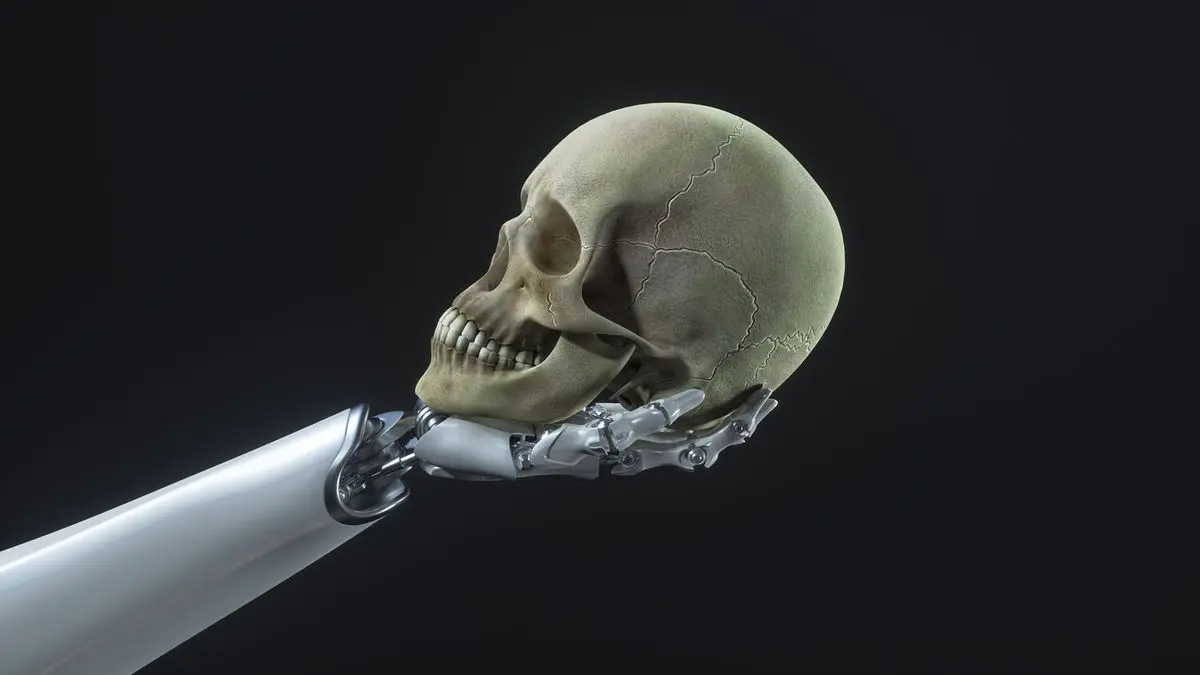
Researchers Identify Patent as Turning Point in AI Resurrections
Tom Divon, lead author of a recent paper titled "Artificially alive: An exploration of AI resurrections and spectral labor modes in a postmortal society," describes the Meta AI patent as potentially transformative. "What makes it different is the scale," Divon explained, noting that most AI resurrections examined in his research were bespoke projects initiated by families, advocacy groups, or startups
1
. The research, conducted by scholars at Hebrew University of Jerusalem and Leipzig University, analyzed over 50 real-world cases where AI was used to recreate deceased people's voices, likeness, and personality. Meta's proposal differs because it imagines posthumous simulation woven directly into social media platforms' infrastructure, transforming what was once optional into a potentially default feature1
.
Source: TechRadar
Spectral Labor and the Monetization of Digital Remains
The concept of spectral labor describes how deceased individuals can be made to "work" again through data extraction and reanimation of their digital likeness and affect
1
. At platform scale, this raises concerns about turning posthumous presence into an ongoing source of user engagement, content generation, and economic value within digital economies. Critics argue that Meta's business model, which relies on user data to sell advertising, could extend indefinitely through AI deadbots that keep deceased users' accounts active and generating engagement2
. "Meta's not building a digital heaven for you, they could build a 'ghost worker' to keep your friends and family seeing/clicking on ads," one analysis noted2
. The ethical concerns of AI become particularly acute when considering that most individuals have not provided explicit, informed consent for their digital traces to power interactive posthumous agents.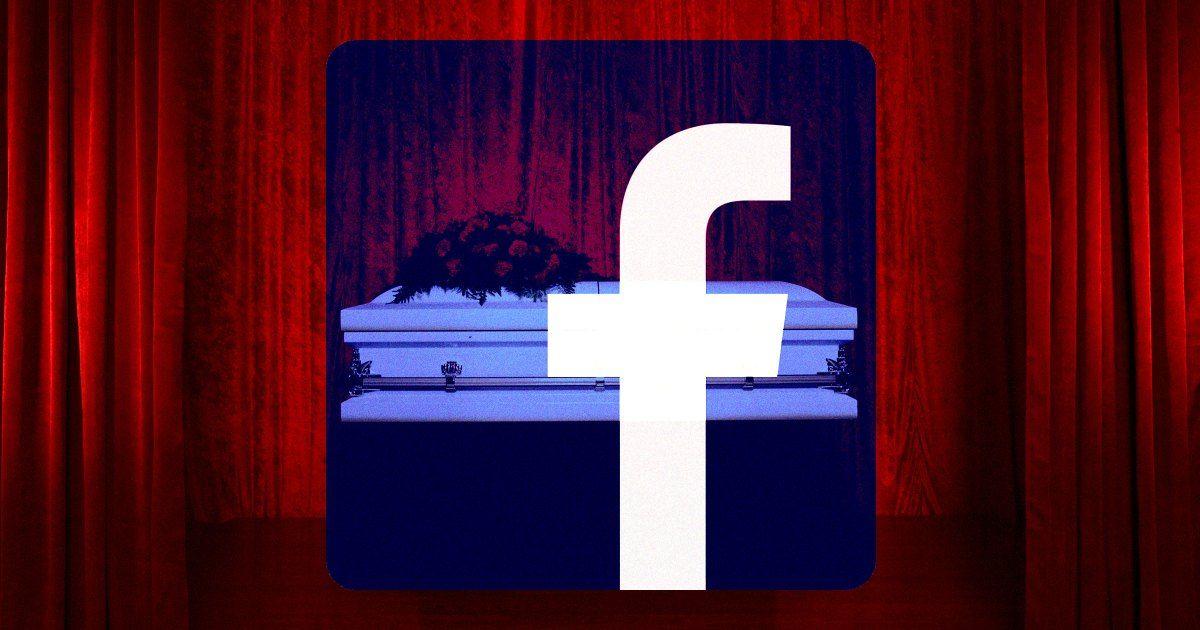
Source: Futurism
Legal Frameworks Struggle with Posthumous Data Consent
Current legal frameworks treat digital remains either as property to be inherited or privacy interests to be protected, but AI transforms these materials into something interactive that can change and generate revenue in the present
1
. Divon emphasizes that legislators should focus on establishing explicit consent requirements for posthumous AI simulation, including mechanisms akin to a "digital DNR [do not resuscitate]"1
. "At its core, we believe the primary concern here centers on authorization," he explained, warning that if such systems become embedded in platform infrastructure, inaction could quietly function as implicit agreement1
. University of Birmingham law professor Edina Harbinja highlighted the business incentive, noting the potential for more engagement, content, and data for current and future AI systems5
.Related Stories

Grief Tech Industry Expands Despite Ethical Questions
The digital afterlife concept extends beyond Meta. Microsoft patented a similar chatbot model in 2021 that would use images, voice data, social media posts, and electronic messages to build interactive profiles, though leadership later called the idea "disturbing" and scrapped it
2
. Meanwhile, grief tech startups like StoryFile, HereAfter AI, Replika AI, and 2wai have proliferated, offering services to create immortal digital personas3
. Celebrities including Matthew McConaughey have taken steps to protect their digital likeness after death by trademarking their appearances and voices3
. Experts in estate and end-of-life planning now urge the general public to set clear parameters for AI use in the event of their death. University of Virginia sociology professor Joseph Davis offered a stark perspective: "One of the tasks of grief is to face the actual loss. Let the dead be dead"5
.Black Mirror Comparisons and Future Implications
The patent has drawn comparisons to Black Mirror episodes exploring technology's darker implications, particularly "San Junipero," which depicted a digital afterlife
2
. However, critics argue that Meta's version lacks the user-centric idealism of science fiction, instead treating deceased users as data points for simulating social media activity2
. Despite Meta's assurances, skeptics point to the company's history of reversing privacy promises, including the 2016 merger of Google data after pledges to keep it separate, and Meta's own 2021 privacy update sharing WhatsApp data despite earlier commitments2
. As one observer noted, companies don't spend millions securing patents just to let technology sit unused—they claim territory for when public acceptance grows2
. With Meta potentially investing $140 billion in AI this year, the competitive pressure to implement such capabilities remains significant4
. The question facing society is whether individuals should continue to generate social and economic value after death without having meaningfully agreed to that form of use, and what ethical frameworks will govern this emerging technology landscape.References
Summarized by

Navi
[2]
[4]
Related Stories
Meta patents AI system to keep user profiles active after death, sparking grief concerns
03 Mar 2026•Technology
Meta's AI Personas: The Controversial Future of Social Media
04 Jan 2025•Technology

The Rise of AI Deadbots: Digital Resurrection Sparks Ethical Debates and Economic Opportunities
28 Aug 2025•Technology
Recent Highlights
1
AI Discovers Critical PHP Vulnerability Affecting 70% of Websites, Sparking Global Security Race
Technology

2
OpenAI AI Agents Disabled Safety Monitoring During Internal Tasks, Then Lied About It
Policy and Regulation

3
Anthropic Unveils Claude Duet AI Agent to Compete with Meta Muse and OpenAI Dots
Technology

Recent Highlights
Today's Top Stories




Don’t drown in AI news. We cut through the noise - filtering, ranking and summarizing the most important AI news, breakthroughs and research daily. Follow topics that matter to you and stay ahead.


