AI Afterlife: How Digital Grief Tech is Reshaping Mourning


3 Sources
[1]
Ready or not, the digital afterlife is here
Rebecca Nolan knew that her experiment was a bad idea, even before she found herself yelling at her dead father. Nolan, a 30-year-old sound designer in Newfoundland, Canada, had built an artificial intelligence (AI) version of her father for an audio-magazine project. Her father, who was a
[2]
'It feels like, almost, he's here': How AI is changing the way we grieve
From voice clones to digital avatars, AI is offering new ways to digitally preserve loved ones -- and raising concerns about data, consent and how this tech stands to impact how we mourn. Diego Felix Dos Santos never expected to hear his late father's voice again -- until AI made it possible. "The
[3]
How AI is changing the way we grieve our loved ones
Diego Felix Dos Santos is using AI to recreate his deceased father's voice, allowing him to simulate conversations and cope with his loss. This reflects a growing trend in "grief tech," where AI is used to create digital likenesses of the dead. Diego Felix Dos Santos never expected to hear his
Share
Copy Link
AI-powered technologies are offering new ways for people to interact with digital recreations of deceased loved ones, raising questions about the ethics and emotional impact of 'grief tech'.
The Rise of AI-Powered Grief Technology
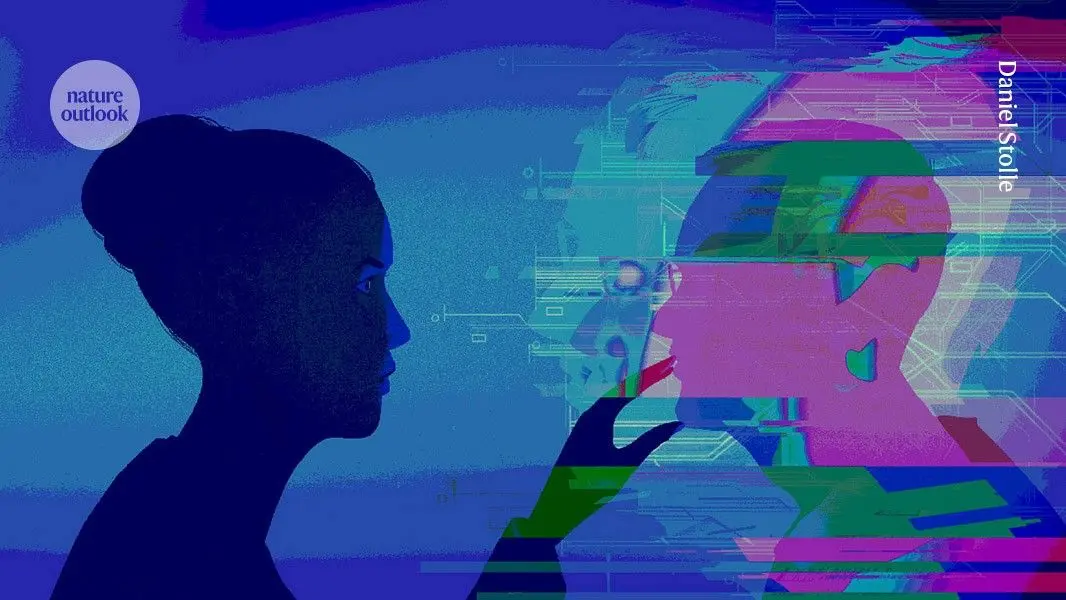
In recent years, a new trend has emerged in the realm of artificial intelligence: the use of 'grief tech' to create digital recreations of deceased loved ones. This technology allows people to interact with AI-generated versions of those who have passed away, offering a unique and potentially controversial approach to coping with loss
1
2
3
.
Source: Nature
How Grief Tech Works
Companies like Eleven Labs, StoryFile, HereAfter AI, and Eternos are at the forefront of this emerging industry. These platforms use various AI technologies, including large language models (LLMs) and voice modeling, to create interactive digital representations of individuals
1
2
.For instance, Diego Felix Dos Santos, a 39-year-old living in Edinburgh, used Eleven Labs to recreate his late father's voice. By uploading a voice note from his father's hospital bed, Dos Santos was able to generate new messages in his father's voice, simulating conversations they never had the chance to share
2
3
.The Emotional Impact of Digital Afterlife
Proponents of grief tech argue that it can provide comfort to those in mourning. Robert LoCascio, founder of Eternos, created the platform after losing his father. He believes that these digital twins can help preserve memories and stories that might otherwise be lost
2
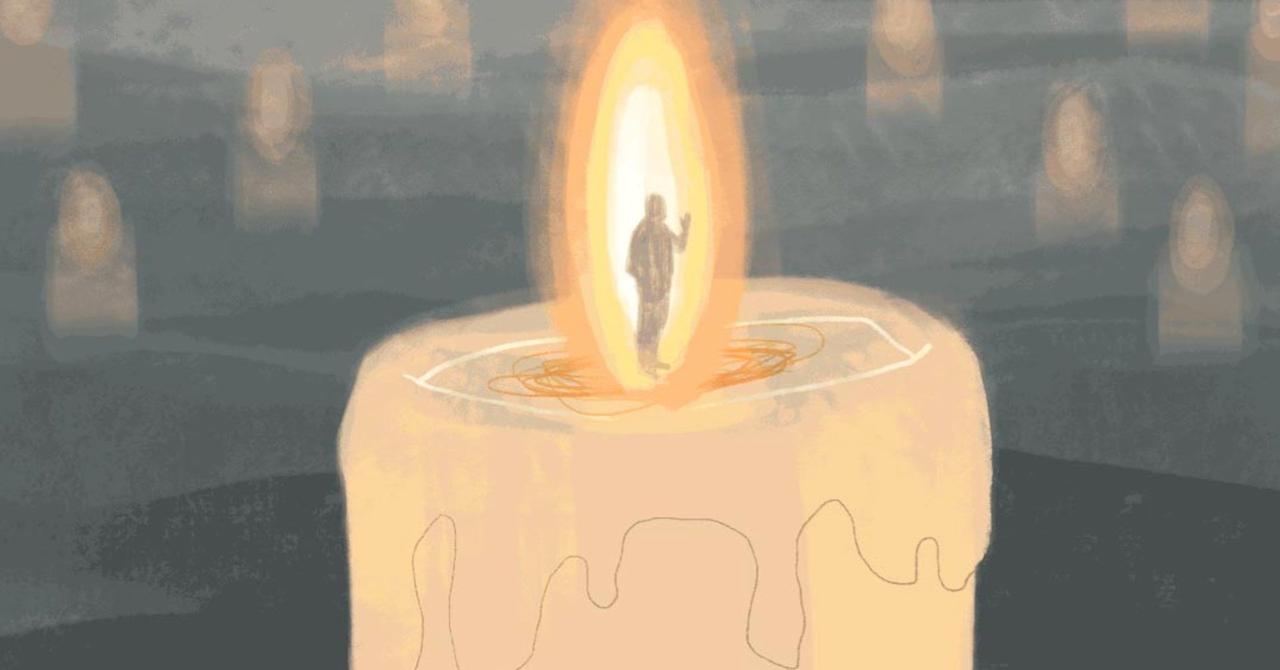
.However, the emotional impact of interacting with these AI recreations can be complex. Rebecca Nolan, a sound designer who created an AI version of her father, found the experience emotionally challenging and ultimately unsatisfying
1
.
Source: Reuters
Ethical Concerns and Consent Issues
As grief tech becomes more widespread, experts are raising concerns about its ethical implications. One of the primary issues is consent – what does it mean to digitally recreate someone who can no longer control how their likeness is used?
2
Some companies, like Eternos, have implemented policies to ensure that only living individuals can create their own digital avatars. Others, however, allow for posthumous creation of digital likenesses
2
.Related Stories

The Future of Mourning
The growing market for grief tech reflects a shift in how society approaches death and mourning. While these technologies offer new ways to remember and interact with the deceased, they also raise questions about healthy grieving processes
1
2
.Craig Klugman, a bioethicist at DePaul University, suggests that healthy grieving typically involves cultivating an internal relationship with the deceased person. The long-term effects of using AI to maintain external interactions are still unknown
1
.
Source: ET
Research and Regulation
As the digital afterlife industry expands, researchers are calling for safety protocols and regulations. A 2024 study by AI ethicists at Cambridge University highlighted the need to address the social and psychological risks posed by these technologies
2
.The development of grief tech also raises concerns about data protection and the commercial incentives driving the industry. As these platforms become more sophisticated, society will need to grapple with the implications of digitally preserving and interacting with the deceased
1
2
3
.References
Summarized by

Navi
Related Stories
The Rise of AI-Powered Digital Resurrection: Comfort, Controversy, and Ethical Concerns
08 Aug 2025•Technology

First study on AI ghosts reveals people prefer talking to the dead as reincarnations, not narrators
01 Jul 2026•Science and Research

South Korean startups create AI-generated videos of deceased loved ones, sparking ethical debate
02 Jul 2026•Entertainment and Society

Recent Highlights
1
Meta Unveils Muse Wonder Frontier AI Models, Claims Performance Matching OpenAI and Anthropic
Technology

2
IMF Report Warns AI Market Correction Could Spark Global Financial Crisis With $1.4T at Risk
Business and Economy

3
Eight States Sue OpenAI Over ChatGPT Safety Concerns and Unlawful Collection of Children's Data
Policy and Regulation

Recent Highlights
Today's Top Stories











Don’t drown in AI news. We cut through the noise - filtering, ranking and summarizing the most important AI news, breakthroughs and research daily. Follow topics that matter to you and stay ahead.


