11 Sources
[1]
Meta Plans Huge Data Center Expansion. How Will It Use That Excess Compute?
Utah data center under construction in 2024. (Credit: George Frey/AFP via Getty Images) Meta is expanding its planned Hyperion data center project in Louisiana from 2 gigawatts of computing capacity to 5 gigawatts, according to Reuters. This leap in power will require a sizeable investment, almost doubling the initial planned $27 billion price tag to $50 billion. Until the recent AI data center buildout, the largest data centers in the world were in the 10s to hundreds of megawatts. However, since project Stargate was announced in early 2025, ambitions have risen dramatically. Even in mid-2026, though, xAI's twin Colossus and Colossus 2 data centers reportedly still provide only a combined 1 gigawatt of compute capacity. And Elon Musk has been selling some of that capacity to Anthropic. This raises two important questions about Meta's plans: Can it even build a data center with a 5-gigawatt capacity, given the memory crunch, let alone cool or power it? Meta is also reportedly exploring the sale of its spare AI compute capacity. So, what will it do with this excess compute, unless it's expecting an enormous expansion in its existing AI businesses? In a memo to staff following recent layoffs, CEO Mark Zuckerberg said he is "optimistic about delivering personal superintelligence to everyone," which is no small feat, compute-wise. That said, OpenAI and Anthropic have absorbed hundreds of billions of investment to get where they are, and they're still having to discount the AI compute they sell. Many of their biggest customers are cutting back on AI use, too. This is all assuming Meta's mega data center project is even completed. The first promised 2 gigawatts isn't expected to come online in full until 2030, with the additional 3 gigawatts potentially coming years after that. Data centers are also facing enormous political and community pushback due to their egregious use of local power and water resources. Meta has said it will invest over $1 billion in local roads, water, and wastewater systems as part of the project, but environmental law firms are already looking to investigate its finances.
[2]
Meta expands colossal Hyperion AI supercluster plans to 5GW, pushes Louisiana investment past $50 billion as AI race accelerates
Louisiana businesses have received more than $1.6 billion in contracts since construction began Meta has said it will expand its Hyperion data center in Richland Parish, Louisiana, to 5 GW (gigawatts) of compute capacity from an initial 2 GW, pushing the company's planned investment in the region beyond $50 billion. The announcement -- made in an official blog post on Monday, July 13 -- confirms the long-signaled scale-up of what is already Meta's largest data center. The expansion will be a major increase over the $10 billion, 4-million-square-foot project Meta unveiled in December 2024, when it said the campus would deliver more than 2 GW of capacity. However, the 5GW target itself is not entirely new. CEO Mark Zuckerberg said in July 2025 that Hyperion would eventually reach that scale. Monday's announcement formally ties the expanded capacity to an investment exceeding $50 billion and provides updated figures for jobs, contracts, and public infrastructure spending. Much of the announcement is built around local economic impact. Meta said local Louisiana businesses have received more than $1.6 billion in contracts since construction began, while also highlighting teacher bonuses in Richland Parish that rose from $10,000 last year to more than $50,000 this year, funded by increased tax revenue tied to the data center. In what appears to be a bid to pacify anti-data-center sentiment further, Meta said it plans to invest over $1 billion in local infrastructure improvements, including roads, water, and wastewater systems, as part of the expansion. The company's recent agreement with utility Entergy Louisiana includes natural-gas plants providing more than 5.2 GW of capacity and support for up to 2.5 GW of new solar generation. Entergy claims Meta's payments could save other customers around $2 billion over 20 years -- a significant reprieve amid concerns over the impact of data centers on nearby residents' electricity bills -- although those savings remain projections. On the other hand, the project is also receiving substantial state and local support. In late 2024, Louisiana Governor Jeff Landry signed into law a 20-year sales tax exemption for data centers built before 2029, part of an explicit effort to court Meta. The law allows qualifying data centers to claim sales-and-use-tax exemptions on eligible equipment. At the same time, Meta is expected to benefit from the state's Quality Jobs program and a payment-in-lieu-of-taxes agreement that could reduce its property-tax burden if investment and employment targets are met. First announced as a $10 billion project in December 2024, Hyperion is Meta's AI supercluster campus in Richland Parish, Louisiana. The data center will house the infrastructure needed to train and run Meta's future AI models, with CEO Mark Zuckerberg linking it directly to Meta Superintelligence Labs, the company's AI division. In October 2025, Meta and Blue Owl Capital announced a joint venture valuing the project's buildings and infrastructure at roughly $27 billion. Blue Owl holds about 80% of the venture, with Meta retaining 20% and leasing the completed facilities. The July 13 announcement raises Meta's total planned investment in the region to more than $50 billion, but provides no further details on how the expansion affects the joint venture. Hyperion is one node in a much larger spend. Meta is forecast to spend up to $145 billion in capital expenditures in 2026, mostly on AI infrastructure, as demand for AI compute continues to outstrip supply. The company has said it will cut 8,000 jobs to raise funds. Meanwhile, Monday's announcement follows what Meta says is its strongest week on the market since early 2024, driven by new AI model releases. Follow Tom's Hardware on Google News, or add us as a preferred source, to get our latest news, analysis, & reviews in your feeds.
[3]
Meta expands Louisiana data center to 5 gigawatts compute capacity
July 13 (Reuters) - Meta (META.O), opens new tab said on Monday its data center in Richland Parish, Louisiana will expand to 5 gigawatts of compute capacity, in a bid to support the social media company's AI ambitions. Since breaking ground in December 2024, local Louisiana businesses have received more than $1.6 billion in contracts from Meta, the company said. Here are some details: Reporting by Jaspreet Singh in Bengaluru; Editing by Leroy Leo Our Standards: The Thomson Reuters Trust Principles., opens new tab
[4]
Meta's AI data center cost went from $10 billion to $50 billion in under 2 years -- and split the town in two | Fortune
Meta's sprawling AI data center in rural Louisiana just got a massive cash infusion, but not everyone close to the project is celebrating. The company said Monday its Hyperion supercluster in Richland Parish will expand to a 5-gigawatt facility costing more than $50 billion, making it Meta's largest data center and one of the biggest AI infrastructure projects in the world. The site was earlier projected to deliver more than 2 gigawatts of compute capacity, the kind of power needed to train the large language models behind tools like ChatGPT. When construction began in 2024, the price tag was $10 billion. That means the cost of the project has quintupled in less than two years, largely thanks to deep-pocketed private capital and the state's willingness to forgo tax revenue to land the deal. In late 2024, Louisiana Gov. Jeff Landry signed a law making data centers built before 2029 sales-tax-exempt for 20 years. But missing out on tax revenue doesn't appear to bother Landry. In a Monday statement, he said since the deal was signed, the state has "secured more than $150 billion in new investment by creating an environment where companies can move quickly and build at scale." Some business owners appear to be on the same page, claiming their workers are earning more with additional people and resources. "We've been in the charter bus business for 29 years, but nothing compares to what Meta's project has meant for us," Scott Holmes, owner of local business Mayo Tours, said in a statement. "We went from 40 coaches to 102, and most of our drivers onsite are now earning over $80,000 a year in a region where the median income is $42,000." But not all locals see this behemoth of a data center project as good for the area. Hyperion sits in a parish of about 20,000 people, one of the poorest in Louisiana, and the expansion is reviving hard questions about who ultimately foots the bill for a project of this scale. The buildout has already brought heavier traffic, rising rents, and even attempted evictions as thousands of construction workers pour into the area, former Fortune AI writer Sharon Goldman reported this spring. This has left many residents feeling that the project's biggest decisions were locked in before they understood its scale, and that it's now even bigger than originally expected. "Meanwhile, there is literally a sign outside welcoming Meta workers while local families are left wondering where they're supposed to go," Erika James, a 34-year-old mother of two who grew up in Richland Parish and now lives in a mobile home park in Monroe about 30 minutes away from the Meta site, told Fortune's Goldman. "We are now having to entertain the idea of leaving the area completely. "There is nowhere to go if you can't pay triple prices," she continued. Some of the state's own dealmakers have also been more vocal about the trade-offs. Louisiana Economic Development Secretary Susan Bourgeois told the Times-Picayune that Meta made it clear when the deal was first being discussed that it wouldn't be done without incentives. "It was 'If you don't have this, we will not consider your state,'" Bourgeois said. One lawyer who helped negotiate the deals also said the point of the deal wasn't to be "nice and welcoming." "We're only giving this to get them here," Mike Busada, a Shreveport attorney who helped negotiate the deals with Meta, told the Times-Picayune. "We don't want to give them a dollar more than we have to." To be sure, Meta isn't skipping out on taxes entirely. While it's exempt from state and local sales tax on the equipment inside Hyperion -- the servers, chillers, and electrical infrastructure that make up most of its spending -- it still pays a 1% local sales tax on its purchases. And because the construction cost is so enormous, even that 1% has made a difference for some locals. An ordinance funnels that 1% into school employee bonuses, which topped $50,000 for some local teachers, according to Meta. That's a huge amount of money one recipient called "jaw-dropping," considering the average teacher salary in Louisiana is $56,785, ranking them No. 49 in the nation, according to National Education Association data. Still, local officials concede that the windfall is tied to the construction phase and will likely shrink once construction ends. "Sales tax at that level may be somewhat temporary," Scott Franklin, a director at the Richland Parish chamber of commerce, told The Wall Street Journal. Meta also argues the project has "always been about more than building infrastructure," according to Rachel Peterson, vice president of data centers at Meta. "The people, workforce and partnership we've found in Louisiana have enabled this project to be a cornerstone of our global infrastructure," she said in a statement. "With more than $1.6 billion already contracted with local companies and thousands of jobs being supported, we're delivering real economic impact alongside the AI infrastructure that will power the future." Who pays for the power? Another major concern about the project is the power bill it'll produce. To supply Hyperion's enormous electricity use, utility Entergy is building 10 new plants, along with 240 miles of new transmission lines, all paid for by Meta, which has also agreed to fund up to 2.5 gigawatts of renewable energy and signed what Entergy calls a "Ratepayer Protection Pledge." Even so, consumer groups fear the project's major demand could still push up rates for everyone else on the grid. In January, the environmental law group Earthjustice -- representing the Alliance for Affordable Energy and the Union of Concerned Scientists -- asked Louisiana regulators to investigate Meta's financing arrangement with Blue Owl Capital, under which Meta sold off roughly 80% of the data center to a venture debt firm. "Louisiana ratepayers may have even less protection from the costs of this massive data center than they had just several months ago, which were already severely lacking," Paul Arbaje, energy analyst at UCS, said in a statement. "The Commission must look further into Meta's new financing structure to make sure that the bag Entergy's customers are already holding hasn't ballooned out of control." The Louisiana Public Service Commission declined to take up the probe in February. "By dismissing this motion, the [Louisiana Public Service Commission] is giving the green light to more tech companies to use this kind of financial maneuvering to maximize profits while evading public accountability," Susan Stevens Miller, senior attorney at Earthjustice, said in a statement. Even Landry has moved to address the risk. In June, he directed his economic development agency to draft new rules meant to shield consumers from getting stuck with the cost of new power plants. Louisiana is just a snapshot of the nation's data center drama The tension playing out in Richland Parish is also a national debate. As Meta races ahead with its multi-hundred-billion-dollar AI push, rivals Microsoft, Alphabet, and Amazon are also chasing the same tax breaks and energy deals from states scrambling for a piece of the AI boom. Amazon alone has committed $12 billion to data centers in northwest Louisiana. And elsewhere, residents are equally as cautious of major data center projects. A Gallup poll conducted in March found that seven in 10 Americans oppose the construction of an AI data center in their local area, a higher share than those who oppose living near a nuclear power plant. Among opponents, many cited strain on resources such as water and energy, as well as higher utility bills. Those concerns are already reshaping policy. In April, Maine became the first state to pass a bill barring the development of large-scale data centers, and a Wisconsin city approved a referendum giving voters more say over major tax-funded projects tied to a local data center campus.
[5]
Meta expands Louisiana Hyperion data center to 5GW and $50 billion
Meta $META announced Monday that it is expanding its Hyperion data center in Richland Parish, Louisiana, to 5 gigawatts of compute capacity at a cost of more than $50 billion, up from a prior price tag of $27 billion and an original design capacity of 2 gigawatts. The expanded project, which Meta describes as one of the largest AI infrastructure investments in the world, will also include more than $1 billion in local infrastructure improvements covering roads, water, and wastewater systems, the company said. Since breaking ground in December 2024, local Louisiana businesses have received more than $1.6 billion in contracts from Meta. Superclusters like Hyperion differ from conventional data centers by concentrating graphics processing units and specialized hardware designed specifically for AI workloads, according to CNBC. A Meta spokesperson said that the project should reach 2 gigawatts by 2030, though no timeline exists for when the full 5-gigawatt buildout will be complete. Among the project's financial backers is Blue Owl Capital, a private-credit manager holding a significant ownership position, with BlackRock $BLK also counted among investors, The Wall Street Journal has reported. Meta did not announce a financial partner for the expansion portion of the project. "From the beginning, this project has always been about more than building infrastructure -- it's about building alongside the community," Rachel Peterson, Meta's vice president of data centers, said in a statement. Louisiana Governor Jeff Landry held a press event in Baton Rouge on Monday tied to the announcement. A 20-year sales tax exemption covering data centers that break ground before 2029 -- legislation Landry enacted in late 2024 -- was central to Louisiana's strategy for luring Meta, according to CNBC. As part of the project's energy arrangements, Meta agreed to finance power generation and transmission projects with Entergy $ETR Louisiana, including seven combined-cycle natural gas plants, grid-scale battery storage at three sites, and roughly 240 miles of high-voltage transmission infrastructure. Entergy estimated the deals would produce about $2.65 billion in combined benefits for its customer base. Meta said it pays the full costs of energy, water, and related infrastructure, so those expenses are not passed to consumers. Meta also said it is donating $5 million to Louisiana Delta Community College to fund scholarships training local residents for data center jobs, and that all graduates from Richland Parish high schools beginning with the class of 2026 will be eligible for full scholarships for data center-related trade certificates or courses.
[6]
Meta expanding plans for its largest data center
Meta will expand its largest data center data located in Louisiana to 5 gigawatts of compute capacity as investment in the project hits over $50 billion, the company announced Monday. The Hyperion data center, located in Richland Parish, La., announced last October, was originally projected to cost over $27 billion as part of Meta's joint venture with Blue Owl Capital. The increased compute capacity will contribute to Meta's long-term plans for artificial intelligence (AI) development, with data centers serving as the powerhouse for the training and maintenance of AI models. Meta touted how it is paying the full costs of the energy, water and "related infrastructure" that the data center uses to avoid passing the cost onto consumers. Concerns over how data centers impact constituents' rising costs of utility and electricity bills or the environment around them has sparked backlash to the projects, along with AI as a whole. The affordability worries have prompted calls across the country for these companies to cover the additional cost. Earlier this year, Meta announced an agreement with Entergy Louisiana that ensures Meta pays the full cost of service. The company said the partnership is projected to save Entergy Louisiana customers more than $2 billion over the next 20 years. Community leaders praised the project in an announcement by Meta. Sheldon Jones, superintendent of the Richland Parish School District, lauded a $50,000 bonus to teachers as a result of tax revenues from the project, and a local coffee shop owner said it now sees 130 customers daily, compared to 40 from before the project. While Meta is pushing forward with its largest data center yet, others in the state owned by other companies are still facing heat. In New Orleans, the city council passed a one-year ban on the infrastructure buildouts.
[7]
Meta expands Louisiana data center to 5 gigawatts compute capacity
Meta plans a significant expansion of its Louisiana data center to five gigawatts. This major investment will support the company's growing artificial intelligence ambitions. Local businesses have already secured over $1.6 billion in contracts from Meta's project. The company is investing over $1 billion in local infrastructure improvements. Meta is committing $600 billion to US infrastructure and jobs over three years. Meta said on Monday its data center in Richland Parish, Louisiana will expand to 5 gigawatts of compute capacity, in a bid to support the social media company's AI ambitions. Since breaking ground in December 2024, local Louisiana businesses have received more than $1.6 billion in contracts from Meta, the company said. Here are some details: Meta said that the data center expansion is an investment of more than $50 billion in the Richland Parish region. Last year, U.S. President Donald Trump had said the company's data center project would cost $50 billion. With this expansion, the company said it plans to invest over $1 billion in local infrastructure improvements, including roads, water and wastewater systems. Meta, like its Big Tech peers, has been pouring billions of dollars into AI data centers and computing power, as demand continues to outstrip supply. The company has pledged to invest $600 billion in U.S. infrastructure and jobs over the next three years, as it builds out massive data centers to power CEO Mark Zuckerberg's aggressive bets on AI agent technologies.
[8]
Mark Zuckerberg's Meta Just Supercharged Its Biggest AI Bet Yet, Expanding Its Hyperion Data Center Into
Meta Platforms Inc. (NASDAQ:META) has significantly ramped up its investment in the Hyperion data center project in Louisiana. The project's cost now surpasses a whopping $50 billion. The company's Monday blog post revealed that the Richland Parish-based data center, set to be its largest, will be a 5 GW facility. This is a considerable jump from the initial investment and 2GW plan announced in October when Meta and Blue Owl Capital partnered for the project's construction and management. Meta stated that it would cover all costs related to the data center's energy, water, and infrastructure, ensuring consumers do not bear any additional financial burden, citing its agreement with Entergy Louisiana. Since the project began in December 2024, the company has awarded more than $1.6 billion in contracts to local businesses. Furthermore, the tech giant aims to invest over $1 billion in local infrastructure improvements, including roads, water, and wastewater systems. However, Meta has not yet revealed a financial partner for this expansion. The company expects the Hyperion project to reach 2GW by 2030, but no timeline has been provided for the completion of the full 5GW project. Why Louisiana Backed Meta In Louisiana, Governor Jeff Landry signed a law in late 2024 granting a 20-year sales tax exemption for eligible data centers built before 2029 to help lure Meta. Defending the incentives, Landry said the overall economic package would generate a net benefit for both the state and local governments. Hyperion Powers AI Growth CEO Mark Zuckerberg had said Meta's Hyperion AI supercluster would scale to 5 gigawatts over several years, providing industry-leading computing power and the highest compute capacity per researcher to support the company's AI ambitions. Meta is expanding its AI infrastructure to meet rising demand as investors look for returns on its heavy AI spending. The expansion follows the company's strongest stock market week since early 2024, driven by the launch of two major AI models under Meta Superintelligence Labs chief Alexandr Wang. Image via Shutterstock Market News and Data brought to you by Benzinga APIs To add Benzinga News as your preferred source on Google, click here.
[9]
Meta Lifts Cost of Louisiana Data Center to $50 Billion -- Update
Meta Platforms has scaled up the size of its massive data-center project in Northeast Louisiana to 5 gigawatts of compute capacity and said it would now cost more than $50 billion. The project in the rural Richland Parish region, originally pegged at a cost of $27 billion, will be the company's largest data center. The latest expansion also makes it one of the largest investments in artificial-intelligence infrastructure in the world, Meta said Monday. Private-credit manager Blue Owl Capital increase owns a major stake in the project, which has attracted investors including BlackRock, according to The Wall Street Journal. Meta said it has agreed to pay the costs of energy, water and related infrastructure used by the data center. In March, it reached a deal to with Entergy Louisiana to fund the energy infrastructure of the project. Already, increased tax revenue linked to the project has translated to annual bonuses of up to around $50,000 for teachers in the local school district. For some teachers, the bonuses may be larger than their salaries. Officials in the Richland Parish community said the project has brought an influx of economic activity that is breathing new life into the region. "Meta's investment has made Richland Parish a destination for education as well as industry," Richland Parish School District Superintendent Sheldon Jones said, according to a Meta blog post on Monday. The project is underway amid growing public opposition to data centers around the U.S. Their effect on affordability has been repeatedly cited in polls and public comments as a concern. The Wall Street Journal previously reported that the project in Louisiana had raised concerns about burdening Louisiana electricity customers with higher costs.
[10]
Meta Lifts Cost of Louisiana Data Center to $50 Billion
Meta Platforms has scaled up the size of its massive data-center project in Northeast Louisiana to 5 gigawatts of compute capacity and said it would now cost more than $50 billion. The project in the rural Richland Parish region, originally pegged at a cost of $27 billion, will be the company's largest data center. The latest expansion also makes it one of the largest investments in artificial-intelligence infrastructure in the world, Meta said Monday. Private-credit manager Blue Owl Capital owns a major stake in the project, which has attracted investors including BlackRock, according to The Wall Street Journal. Meta has agreed to pay the costs of energy, water and related infrastructure used by the data center. In March, it reached a deal to with Entergy Louisiana to fund the energy infrastructure of the project.
[11]
Meta expands Louisiana data center to 5 gigawatts, investment crosses $50 billion
July 13 (Reuters) - Meta said on Monday its data center in Richland Parish, Louisiana, will expand to 5 gigawatts of compute capacity, with investment in the project increasing to more than $50 billion. The planned data center, known as Hyperion, was earlier projected to deliver more than 2 gigawatts of compute capacity to support training of large language models, the technology behind tools such as ChatGPT. Here are some details: o The announcement comes as environmental and consumer groups increasingly push back against the energy-intensive buildout. o U.S. environmental law group Earthjustice's request to investigate the financing of Meta's Louisiana data center project was denied earlier this year. o Earthjustice had said the financing arrangement could ultimately shift project costs unfairly onto utility customers if Meta walks away from the project before the utility recovers its investment. o Last year, U.S. President Donald Trump had said the company's data center project would cost $50 billion. o Since breaking ground in December 2024, local Louisiana businesses have received more than $1.6 billion in contracts from Meta, the company said. o With this expansion, the company said it plans to invest over $1 billion in local infrastructure improvements, including roads, water and wastewater systems. o Meta, like its Big Tech peers, has been pouring billions of dollars into AI data centers and computing power, as demand continues to outstrip supply. o The company has pledged to invest $600 billion in U.S. infrastructure and jobs over the next three years, as it builds out massive data centers to power CEO Mark Zuckerberg's aggressive bets on AI agent technologies. (Reporting by Jaspreet Singh in Bengaluru; Editing by Leroy Leo and Devika Syamnath)
Share
Copy Link
Meta is scaling its Hyperion data center in Richland Parish, Louisiana, to 5 gigawatts of compute capacity with a $50 billion investment—up from $10 billion when construction began in 2024. The expansion promises significant economic impact but has split the local community over tax incentives, rising costs, and infrastructure strain.
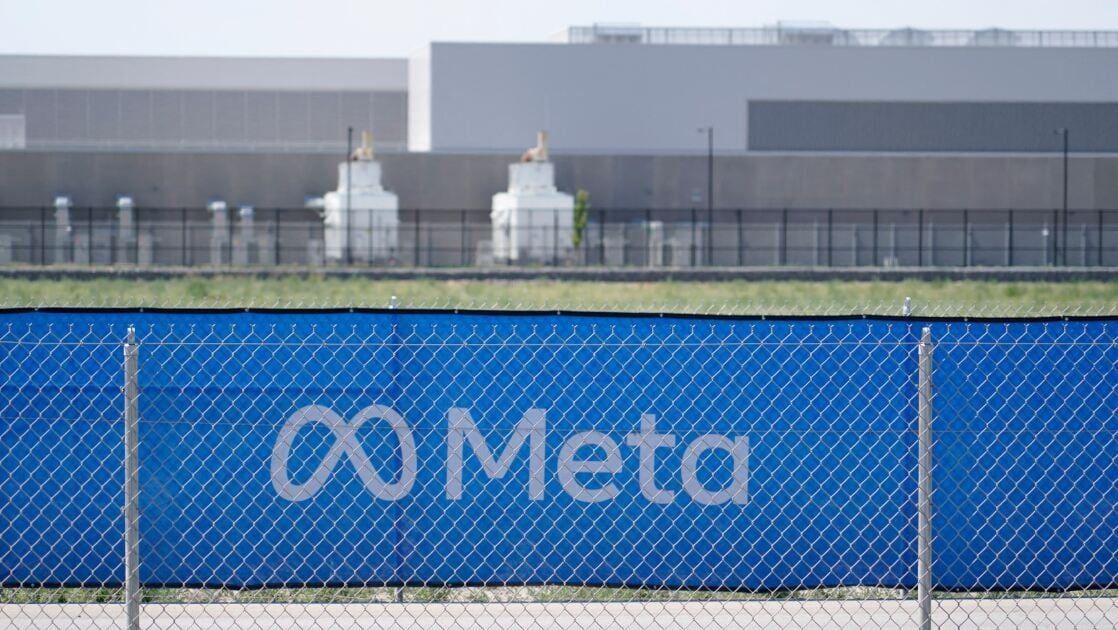
Meta announced Monday that its Hyperion data center in Richland Parish, Louisiana, will expand to 5 gigawatts compute capacity, pushing the company's total investment in the region beyond $50 billion
2
. This represents a dramatic escalation from the $10 billion price tag announced when construction began in December 20244
. The project quintupled in cost in less than two years, making it Meta's largest data center and one of the biggest AI infrastructure projects globally.The AI supercluster will deliver the compute power needed to train large language models and support what CEO Mark Zuckerberg describes as "personal superintelligence" for everyone
1
. Meta is forecast to spend up to $145 billion in capital expenditures in 2026, mostly on AI infrastructure, as demand for AI compute power continues to outstrip supply2
. The company has cut 8,000 jobs to help fund this aggressive buildout.The scale of this AI data center expansion raises critical questions about execution. Until recently, the largest data centers operated in the tens to hundreds of megawatts, yet Meta now targets 5 gigawatts at a single site
1
. For context, xAI's twin Colossus facilities reportedly provide only a combined 1 gigawatt of capacity as of mid-2026. The first promised 2 gigawatts isn't expected to come online in full until 2030, with the additional 3 gigawatts potentially arriving years later1
.Meta is also reportedly exploring the sale of spare AI compute capacity, raising questions about how it will utilize this excess compute unless it expects enormous expansion in existing AI businesses
1
. OpenAI and Anthropic have absorbed hundreds of billions in investment and still discount the AI compute they sell, while many of their biggest customers are cutting back on AI use.The Hyperion data center has generated substantial economic impact in Richland Parish, a community of about 20,000 people and one of Louisiana's poorest regions. Local Louisiana businesses have received more than $1.6 billion in contracts since construction began
3
. Teacher bonuses in Richland Parish rose from $10,000 last year to more than $50,000 this year, funded by increased tax revenue tied to the data center2
.Scott Holmes, owner of Mayo Tours, said his company grew from 40 coaches to 102, with most drivers earning over $80,000 annually in a region where median income is $42,000
4
. Meta plans to invest over $1 billion in local infrastructure improvements, including roads, water, and wastewater systems5
.However, not all residents celebrate the project. The buildout has brought heavier traffic, rising rents, and attempted evictions as thousands of construction workers flood the area
4
. Erika James, a 34-year-old mother of two, told Fortune that families now face triple prices with nowhere to go. "There is literally a sign outside welcoming Meta workers while local families are left wondering where they're supposed to go," she said4
.The project's rapid expansion was enabled by aggressive tax incentives. In late 2024, Louisiana Governor Jeff Landry signed legislation creating a 20-year sales tax exemption for data centers built before 2029
2
. Louisiana Economic Development Secretary Susan Bourgeois told the Times-Picayune that Meta made clear it wouldn't consider the state without incentives4
.Meta is exempt from state and local sales tax on equipment like servers, chillers, and electrical infrastructure, though it pays a 1% local sales tax on purchases
4
. The company also benefits from Louisiana's Quality Jobs program and a payment-in-lieu-of-taxes agreement. Local officials acknowledge the sales tax windfall is tied to construction and will likely shrink once building ends.Related Stories
Meta's agreement with Entergy Louisiana includes natural gas plants providing more than 5.2 gigawatts of capacity and support for up to 2.5 gigawatts of new solar generation
2
. The arrangement includes seven combined-cycle natural gas plants, grid-scale battery storage at three sites, and roughly 240 miles of high-voltage transmission infrastructure5
. Entergy claims Meta's payments could save other customers around $2 billion over 20 years, though these remain projections.Data centers face mounting political and community pushback due to their use of local power and water resources
1
. Environmental law firms are already investigating the project's finances.In October 2025, Meta and Blue Owl Capital announced a joint venture valuing the project's buildings and infrastructure at roughly $27 billion, with Blue Owl holding about 80% and Meta retaining 20%
2
. BlackRock is also counted among investors5
. Meta has not announced a financial partner for the expansion portion.For job training, Meta is donating $5 million to Louisiana Delta Community College to fund scholarships training local residents for data center jobs
5
. All graduates from Richland Parish high schools beginning with the class of 2026 will be eligible for full scholarships for data center-related trade certificates.Superclusters like Hyperion concentrate GPUs and specialized hardware designed specifically for AI workloads, differing from conventional data centers
5
. Rachel Peterson, Meta's vice president of data centers, said the project "has always been about more than building infrastructure" and emphasized the partnership with the local community5
.Summarized by
Navi
[2]
05 Dec 2024•Business and Economy

17 Oct 2025•Business and Economy

28 Mar 2026•Business and Economy

1
Technology

2
Policy and Regulation

3
Technology