Meta Hit With $567M Fine and Sweeping Child Safeguards in New Mexico Ruling


3 Sources
[1]
A New Mexico judge ordered new child safeguards for Meta. Advocates hope other courts follow
In a landmark ruling against Meta, a New Mexico judge likened the company's social media platforms to factories. The psychological harm to children who use Facebook and Instagram, he said, can be seen as their pollution. Judge Bryan Biedscheid fined the company $567 million in his ruling Thursday,
[2]
A New Mexico judge ordered new child safeguards for Meta. Advocates hope other courts follow
In a landmark ruling against Meta, a New Mexico judge likened the company's social media platforms to factories. The psychological harm to children who use Facebook and Instagram, he said, can be seen as their pollution. Judge Bryan Biedscheid fined the company $567 million in his ruling Thursday,
[3]
How New Mexico's Meta ruling could change Instagram, Facebook for teens - The Korea Times
In a landmark ruling against Meta, a New Mexico judge likened the company's social media platforms to factories. The psychological harm to children who use Facebook and Instagram, he said, can be seen as their pollution. Judge Bryan Biedscheid fined the company $567 million in his ruling Thursday,
Share
Copy Link
A New Mexico judge fined Meta $567 million and ordered new child safeguards including a 90-hour monthly time limit for users under 18, AI chatbot restrictions, and mandatory warnings. The landmark ruling follows a jury's $375 million penalty against Meta for knowingly harming children's mental health and concealing child sexual exploitation on its platforms.

Meta Faces Landmark Ruling With $567 Million Fine and Mandatory Child Safeguards
Judge Bryan Biedscheid delivered a landmark ruling against Meta on Thursday, fining the company $567 million and ordering sweeping new child safeguards for Facebook and Instagram users in New Mexico. The judge compared Meta's social media platforms to factories, describing the psychological harm to children as their pollution. This New Mexico ruling marks a critical moment in the ongoing legal battle over how social media companies protect teens on social media.
1
The court-supervised reforms include a 90-hour monthly time limit for users under 18, AI chatbot restrictions, and mandatory warnings on the platforms. These new child safety measures for Meta apply only to minors in New Mexico, with no specific deadline for implementation. Meta has already announced plans to appeal the ruling, stating it remains confident in its record of protecting teens online.
2
Financial Penalties Stack Up as Meta Harmed Children's Mental Health
The $567 million fine comes on top of $375 million in civil penalties that jurors ordered against Meta in March. That earlier verdict determined the company knowingly harmed children's mental health and concealed what it knew about child sexual exploitation on its platforms. The combined financial impact totals $942 million, representing one of the most significant penalties imposed on a social media company for child safety violations.
1
The state of New Mexico filed the lawsuit against the social media giant, and Thursday's ruling concluded the second phase of the trial. Meta responded that it works to keep people safe on its platforms and has been transparent about the challenges of identifying and removing bad actors and harmful content. However, advocates see the ruling as a possible path forward for other court fights around the country as Meta faces mounting legal, regulatory and public pressure.
3
Age-Verification AI Tools Face Implementation Challenges
Many of the changes ordered by Biedscheid hinge on strong age-verification AI tools. The ruling requires Meta to improve its age assurance models and tools in New Mexico and proactively request proof of age for users they know or estimate to be under 13. What that proof of age could look like remains unclear, creating significant implementation challenges.
2
Peter Ormerod, an associate professor of law at Villanova University, noted that age verification can be done well in a privacy-protective way, but it is not easy. Federal children's privacy laws prevent Meta from applying age-verification tools to children under 13. The Children's Online Privacy Protection Act means the court cannot order Meta to request children to submit personal data or be passively tracked online, even for age verification purposes.
1
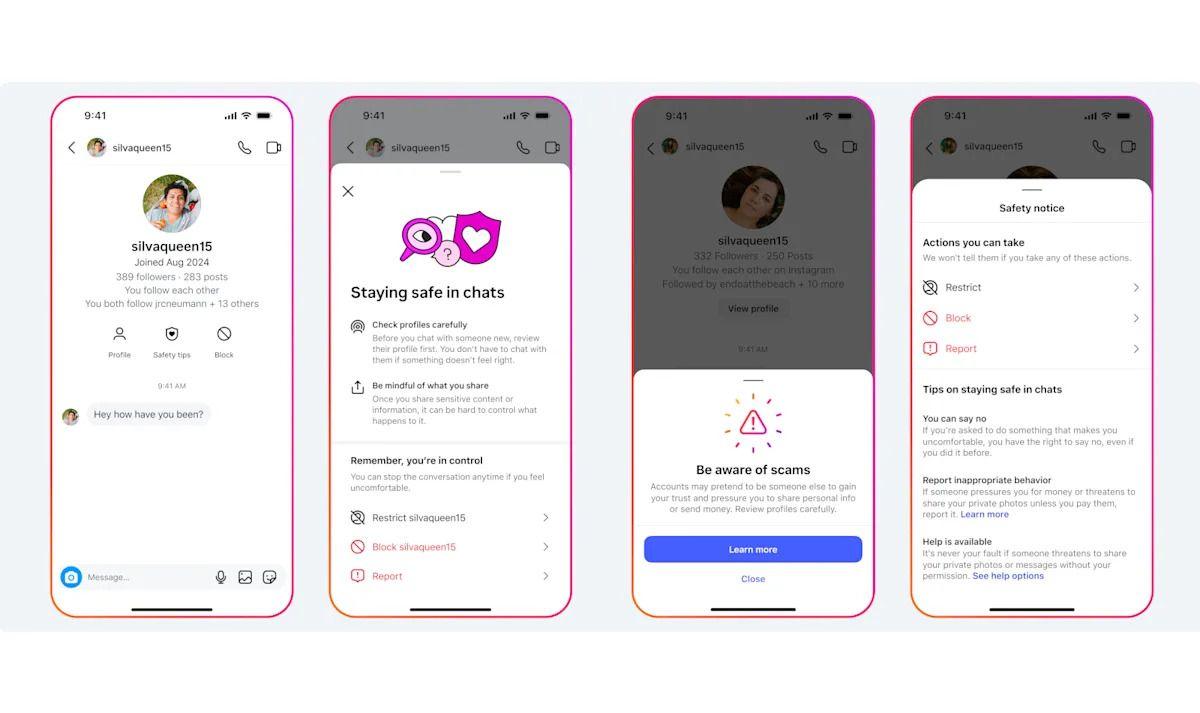
Identifying which users are in New Mexico and subject to the court-ordered protections poses another challenge. Ormerod suggested Meta could check if a user is accessing the platform from an IP address associated with New Mexico, a solution that works reasonably well enough. Meta has several safety tools already in place, including Instagram Teen Accounts with built-in protections to limit who can contact teens and what content they can see, giving parents the ability to set time limits.
3
Related Stories
Court-Supervised Reforms Signal Shift in Social Media Safety Regulations
Brooke Istook, president and chief strategy officer at the advocacy organization Heat Initiative, praised the court-supervised reforms. She emphasized that having someone in an official capacity checking the homework of these companies represents a significant shift in social media safety regulations. The court's involvement means they can evaluate how measures are implemented, whether they're effective, and whether they actually work to keep kids safe online.
2
The ruling includes specific protections that experts support. One measure orders like counts on the apps be hidden by default on minors' accounts, a setting that could only be overridden by a parent or guardian. Another creates stronger separation between children and unconnected adults on the platforms. Meta would not be able to recommend a child's account to an adult's account under these new child safety measures for Meta.
1
Addictive Design Features Remain Untouched Despite Landmark Ruling
Critics note that some of the most recognizable and potentially harmful aspects of Instagram and Facebook's designs remain untouched by the ruling. Addictive design features like autoplay, infinite scroll, and algorithmic recommendations have been prime targets of legal arguments that social media platforms are designed to be addictive. However, Biedscheid wrote that these features are used across the social media industry on other platforms, so restricting Meta's features but not those of its competitors would harm the company.
3
Sophia Choukas-Bradley, an associate professor of psychology at the University of Pittsburgh, expressed disappointment that these design features weren't addressed. She noted that those features have played a very important role in what leads to problematic use of social media by adolescents and, in turn, mental health problems. Despite this limitation, Choukas-Bradley supports several safety measures in the ruling, particularly those addressing like counts and adult-child interactions on the platforms.
2
References
Summarized by

Navi
[2]
Related Stories
New Mexico's Raúl Torrez Drafts Social Media Safety Laws After $942M Court Victory Against Meta
18 Aug 2026•Policy and Regulation

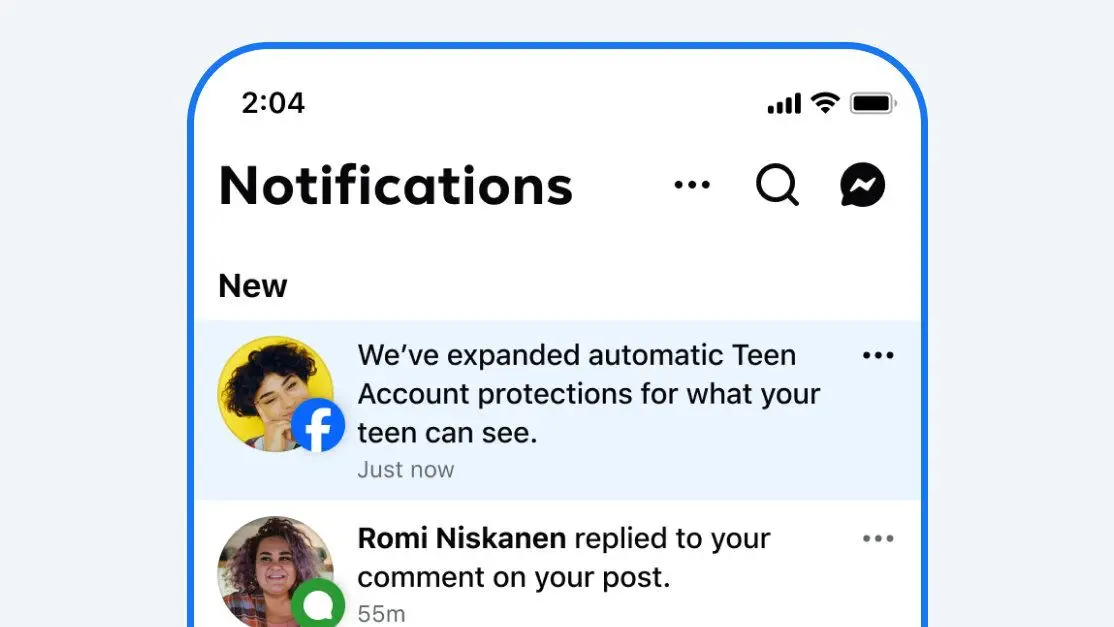
Meta expands teen safety features to limit harmful content after $375M legal verdict
02 Jun 2026•Technology
Meta's Court Defeat Opens New Legal Path for AI Industry Lawsuits Over Harmful Design
27 Mar 2026•Policy and Regulation

Recent Highlights



Recent Highlights
Today's Top Stories






Don’t drown in AI news. We cut through the noise - filtering, ranking and summarizing the most important AI news, breakthroughs and research daily. Follow topics that matter to you and stay ahead.


