AI Spending Triggers Over 100,000 Layoffs as Companies Reallocate Budgets to Infrastructure


4 Sources
[1]
Layoffs linked to changes in corporate AI spending
The cost of building out the infrastructure needed to satisfy booming demand for artificial intelligence is changing the way major companies allocate resources. That can mean an end to some jobs once done by humans. Yet in many cases it means repurposing money once spent on workers so that more
[2]
AI layoffs tracker: 15 companies that tied job cuts to AI in 2026
A tracker of 31 employers that tied layoffs to AI shows how the cuts spread. Here are 15 of them, from Microsoft to Coinbase. An employee opens a company-wide memo and learns that artificial intelligence now explains why an entire team will disappear by next quarter. The scenario grew familiar in
[3]
Layoffs Linked to Changes in Corporate AI Spending
The cost of building out the infrastructure needed to satisfy booming demand for artificial intelligence is changing the way major companies allocate resources. That can mean an end to some jobs once done by humans. Yet in many cases it means repurposing money once spent on workers so that more
[4]
Barclays is latest to redirect spending toward AI as it trims its workforce
The cost of building out the infrastructure needed to satisfy booming demand for artificial intelligence is changing the way major companies allocate resources. That can mean an end to some jobs once done by humans. Yet in many cases it means repurposing money once spent on workers so that more
Share
Copy Link
Companies across tech and finance are cutting more than 100,000 jobs to fund AI infrastructure investments. Microsoft eliminated 23,000 positions while Meta cut 8,000 workers. The trend reveals how AI spending is reshaping corporate resource allocation and workforce structures.
AI Spending Reshapes Corporate Priorities
Companies blamed AI spending for 101,743 U.S. layoffs
2
in the first half of 2026, nearly double the 54,836 job cuts tied to AI across all of 2025. This acceleration marks a fundamental shift in how organizations allocate capital between human workers and computing infrastructure. The technology sector announced 139,156 job cuts through June, an 83% jump from the previous year2
. Andy Challenger from outplacement firm Challenger, Gray & Christmas identified tech as "the epicenter of this year's cuts," noting companies are "automating roles, and reallocating budgets toward new capabilities."2
Microsoft Leads Workforce Reductions

Source: AP
Microsoft eliminated more than 23,000 positions across three rounds since May 2025
2
. The software giant offered voluntary buyouts to approximately 8,750 U.S. employees in early May, representing 7% of its U.S. workforce1
. This followed earlier cuts of 6,000 jobs in May 2025 and 9,000 more in July 2025. Microsoft committed $80 billion to AI infrastructure for fiscal 20252
, with executives directly linking workforce reductions to steering capital toward AI compute and data centers. The company operates an ever-expanding global network of data centers powering cloud computing services, AI systems, and productivity tools including the AI assistant Copilot3
.Meta Cuts 8,000 Jobs Amid Infrastructure Push

Source: BNN
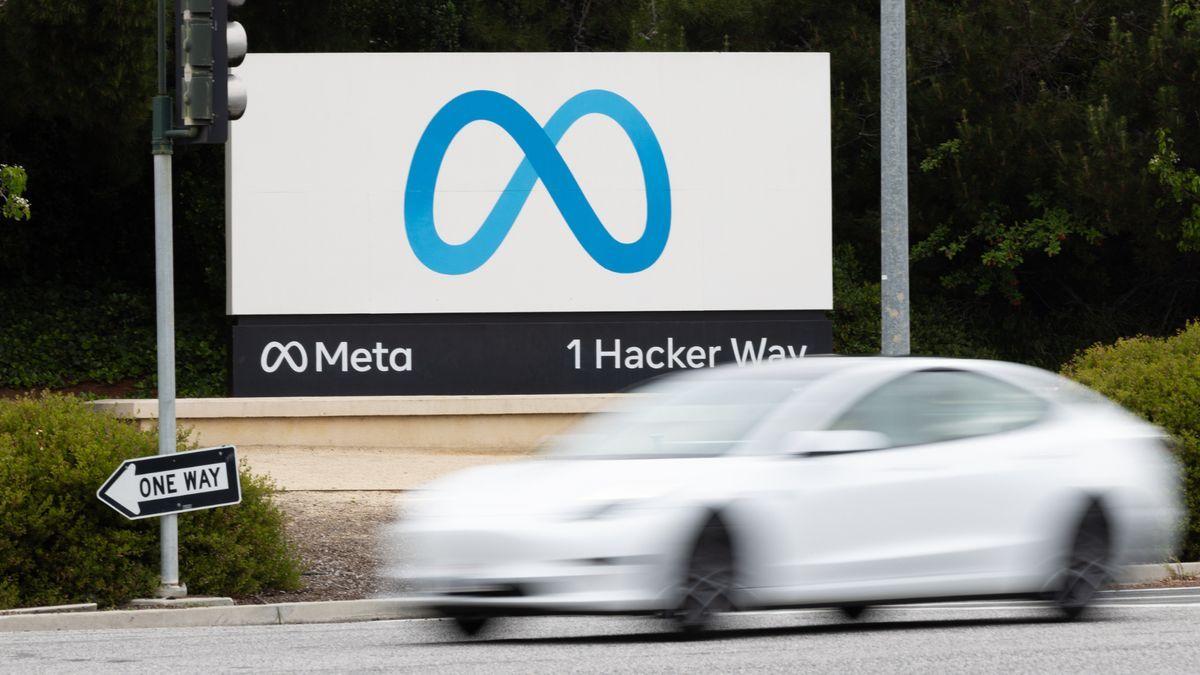
Meta announced layoffs of approximately 8,000 workers, representing 10% of its workforce
1
, while ramping up AI infrastructure investment and hiring highly paid AI experts. The company also left about 6,000 positions unfilled3
. Meta warned investors that 2026 expenses will climb to as much as $169 billion4
, driven by infrastructure costs and employee compensation for artificial intelligence specialists. The April cuts were justified as efficiency measures enabling new investments in strategic business areas.Financial Sector Embraces AI-Driven Efficiency
Barclays revealed plans to cut 5,000 jobs, approximately 5% of its workforce
1
, seeking "organisational simplification and technology change efficiency driven by AI." About 60% of the cuts target support functions, including developers4
. Financial institutions lead AI adoption, often at workers' expense. Norway's DNB and Germany's Commerzbank announced similar job cuts parallel to AI initiatives1
. Standard Chartered plans to eliminate more than 15% of back-office employees by 20303
, citing "scaling practical uses of automation, advanced analytics and artificial intelligence to streamline processes."Related Stories

Retail and Crypto Platforms Join Restructuring Wave
Kroger announced 3,000 corporate layoffs over three years as the grocery chain accelerates AI adoption
1
. CEO Greg Foran stated, "Technology is reshaping what's possible. The way work gets done is changing across every industry." The Cincinnati-based company operates 2,700 stores with 409,000 employees3
. Coinbase cut approximately 14% of its workforce partly due to AI4
. CEO Brian Armstrong observed engineers using AI "to ship in days what used to take a team weeks," adding that "non-technical teams are now shipping production code." Pinterest eliminated under 15% of its workforce to support "transformation initiatives" reallocating resources to AI-focused roles1
.AI Washing Clouds True Motivations
A Resume.org survey found 17% of companies admitted framing layoffs as AI-driven when finances were the real cause, with another 42% conceding partial misrepresentation
2
. A Gartner study found no correlation between AI-linked workforce reductions and better returns2
. Even OpenAI CEO Sam Altman acknowledged some AI washing occurs, with companies blaming AI for layoffs they would execute regardless, though he noted AI genuinely displaces certain jobs. This gap between stated motives and actual drivers complicates assessing whether cuts stem from automation replacing tasks or resource reallocation toward GPU clusters and infrastructure. The distinction matters because one scenario suggests AI handles former employee duties, while the other indicates corporate restructuring prioritizing capital expenditure over payroll.References
Summarized by

Navi
[3]
Related Stories
Meta cuts 8,000 jobs to fund AI infrastructure as capital expenditure soars to $145 billion
25 Apr 2026•Business and Economy
Amazon cuts 16,000 jobs as companies cite AI for layoffs, sparking 'AI-washing' debate
28 Jan 2026•Business and Economy

Tech layoffs surge past 80,000 in early 2026 as AI reshapes the industry workforce
02 Apr 2026•Business and Economy
Recent Highlights
1
Jensen Huang is out at Nvidia after a week of affair reports and spy allegations
Business and Economy

2
Jensen Huang resigns as Nvidia CEO after reports of two affairs, ending a 33-year run
Business and Economy

3
Jensen Huang resigns as Nvidia CEO after admitting affair with suspected spy
Policy and Regulation

Recent Highlights
Today's Top Stories


Don’t drown in AI news. We cut through the noise - filtering, ranking and summarizing the most important AI news, breakthroughs and research daily. Follow topics that matter to you and stay ahead.


