Meta's $70B AI gamble hits turbulence as Zuckerberg faces internal revolt and strategy shift


6 Sources
[1]
Inside Mark Zuckerberg's turbulent bet on AI
This summer, Mark Zuckerberg was struggling to poach a top artificial intelligence researcher from rival OpenAI when he heard his target had fallen sick. On top of the offer of a stratospheric salary, the billionaire tech titan added a personal flourish: the hand delivery of some homemade
[2]
Meta's next AI model, 'Avocado,' signals shift to closed development
Meta is reportedly developing a new AI model, code-named "Avocado," slated for release in the spring of 2026. Unlike its popular Llama series, which embraced an open-source approach, Avocado is expected to adopt a closed-source model. During its training, the project reportedly drew on multiple
[3]
Inside Meta's pivot from open-source to moneymaking AI model
Meta Platforms Inc.'s Mark Zuckerberg, months into building one of the priciest teams in technology history, is getting personally involved in day-to-day work and pivoting the company's focus to an artificial intelligence model it can make money off of. One new model, code-named Avocado, is
[4]
Meta's 'Highest-Paid' Employee Is Reportedly Unhappy With Zuckerberg - ProShares S&P 500 Dynamic Buffer ETF (BATS:FB)
Meta Platforms Inc.'s (NASDAQ:FB) AI whizz Alexandr Wang is reportedly feeling 'suffocated' under the micromanagement of CEO Mark Zuckerberg. What Happened: Wang, the brains behind Scale AI, became part of Meta earlier this year when the social media giant acquired a 49% stake in his startup for
[5]

Meta's billionaire AI star Alexandr Wang thinks boss Mark...
Meta paid billions to bring billionaire AI prodigy Alexandr Wang on board -- but the tech wunderkind now privately believes CEO Mark Zuckerberg's micromanagement of the company's AI push is "suffocating," according to a bombshell report. Wang, the 28-year-old founder of Scale AI who joined Meta
[6]

Meta's top AI executive calls Zuckerberg's management suffocating, here is why
Recent departures of senior executives, including Yann LeCun and Jennifer Newstead, reflect growing unease within Meta's AI hierarchy. It's no lie that Meta has been spending billions of dollars to build its aspirational AI team. But the new report suggests that the company seems to be going
Share
Copy Link
Mark Zuckerberg is betting Meta's future on AI with at least $70 billion in capital expenditures this year, but the strategy has triggered internal chaos. The company's pivot from open-source to closed AI models, led by new hire Alexandr Wang, faces mounting challenges as executives depart and the highly anticipated Avocado model becomes a test of Zuckerberg's vision.
Meta Pivots Strategy After Llama 4 Disappointment
Mark Zuckerberg is orchestrating one of the most aggressive transformations in Meta's 20-year history, pumping at least $70 billion in capital expenditures into AI infrastructure this year as the company races to compete with OpenAI and Google
1
. The strategic shift follows the disappointing April 2025 release of Llama 4, Meta's open-source AI model that underperformed rivals on coding tasks and complex problem solving1
. The setback prompted Zuckerberg to pursue what he calls "personal superintelligence" through a dramatic overhaul that includes recruiting top AI talent with compensation packages reaching hundreds of millions of dollars3
.
Source: FT
Meta is now developing a new AI model code-named Avocado, expected to debut in spring 2026, marking the company's biggest departure from its open-source strategy
2
. Unlike previous Llama iterations, Avocado will adopt a closed-source approach that Meta can tightly control and monetize, aligning with strategies used by rivals Google and OpenAI3
. The model aims to achieve performance comparable to Google's Gemini 2.5 upon release and Gemini 3 by summer, according to sources familiar with the matter1
.
Source: Benzinga
Training Data Draws on Chinese Technology
The Avocado project is using several third-party models as part of its training process, including Google's Gemma, OpenAI's gpt-oss, and Qwen from Chinese tech giant Alibaba
3
. This reliance on Chinese technology represents a notable shift for Zuckerberg, who raised concerns on Joe Rogan's podcast in January about Chinese models potentially being shaped by state censorship3
. The situation reflects how Chinese open-source models like Qwen have gained ground, with Nvidia CEO Jensen Huang stating that "China is well ahead -- way ahead on open-source"3
.Historically, Chinese companies leveraged Llama to build their own AI models, but the dynamic now appears reversed, with Qwen serving as a reference point for Llama's successor
2
. Alibaba's Qwen3-based app surpassed 10 million downloads within a week of public testing in November, outpacing initial launches of ChatGPT and DeepSeek2
.Alexandr Wang Faces Zuckerberg Micromanagement
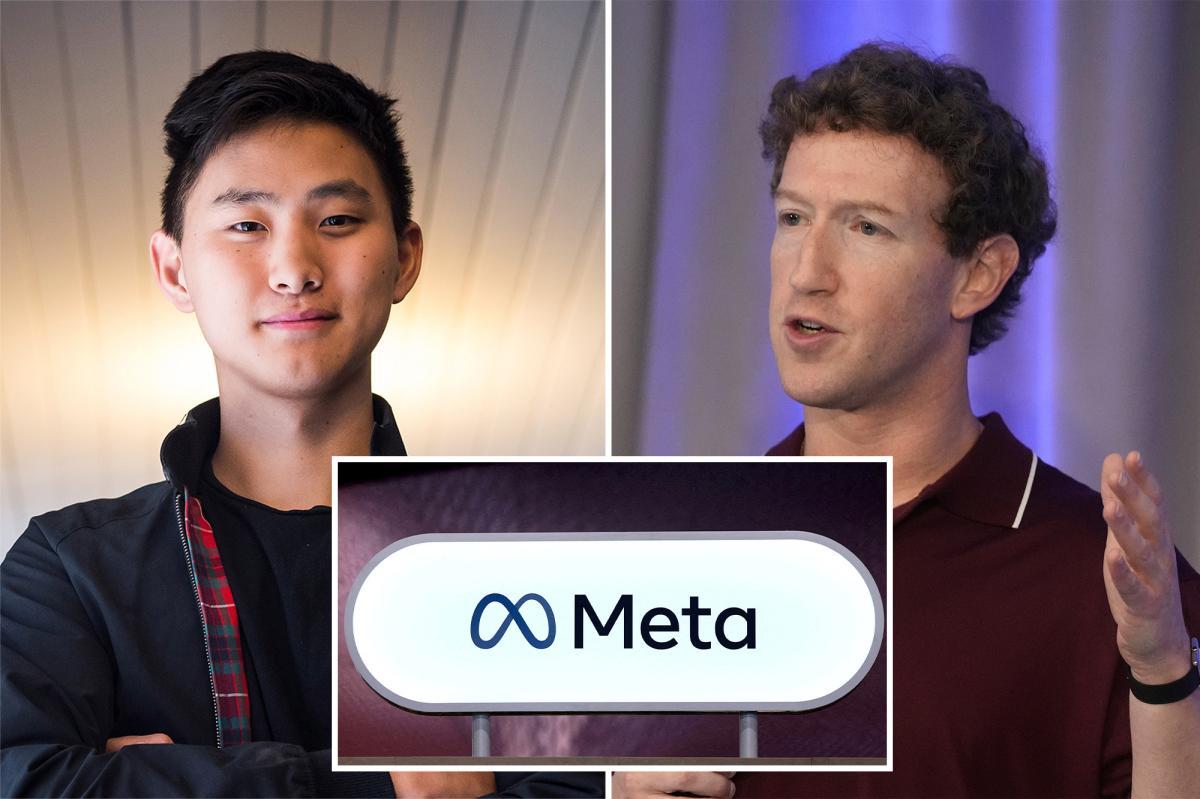
At the center of Meta's AI reboot is Alexandr Wang, the 28-year-old founder of Scale AI who joined Meta after the company acquired a 49% stake in his startup for over $14 billion
4
. Wang now heads the secretive TBD Lab tasked with building Avocado, but sources say he has privately complained to associates that Zuckerberg micromanagement is "suffocating" progress5
. Zuckerberg has positioned himself as a mentor to Wang and spends much of his time working closely with the new hires in TBD Lab3
.
Source: New York Post
Some Meta employees have questioned whether Wang is equipped to manage massive research teams at the company's scale, noting his background is in AI data services rather than developing frontier AI models
5
. Wang is an advocate of closed models, influencing Meta's strategic shift away from open-source AI3
.Related Stories

Executive Departures Signal Internal Turmoil
Meta has experienced a wave of executive departures as the AI push creates corporate upheaval. Longtime chief legal officer Jennifer Newstead was recruited by Apple, while chief revenue officer John Hegeman announced plans to launch a startup
5
. Yann LeCun, the company's storied chief AI scientist and Turing Award winner, is departing to start a new AI initiative after reportedly objecting to reporting to Wang and seeing his research priorities slashed5
.The company has also laid off 600 employees from its AI divisions, framing the cuts as necessary to speed decision-making
5
. Former GitHub CEO Nat Friedman, brought in to integrate AI models into Meta's products, has faced mounting pressure to deliver quickly, frustrating team members who felt products were rushed out to beat competitors5
.Investor Concerns Mount Over Spending
Investor concerns have intensified as Zuckerberg signals AI spending could top $100 billion annually, up from $39 billion the previous year
1
. At Meta's October earnings, the company failed to provide clarity on how AI technology would be integrated into its social media empire and monetized, triggering a stock drop of more than 10 percent that wiped over $208 billion from its valuation1
. The company has undertaken complex financial maneuvering to pay for new data centers and chips, tapping corporate bond markets and private creditors1
.Zuckerberg has pledged to spend $600 billion on U.S. infrastructure projects over the next three years, most AI-related, while redistributing investments away from virtual reality and metaverse efforts toward AI glasses and related hardware
3
. The year 2026 could determine whether Zuckerberg's vision becomes reality or shatters under pressure, with Avocado's performance critical to retaining the AI talent recruited through what insiders call the "Great Talent Heist"1
.References
Summarized by

Navi
[3]
[5]
Related Stories
Meta's AI Talent Exodus: Turmoil at Superintelligence Lab Amid Aggressive Hiring and Restructuring
27 Aug 2025•Technology

Meta's AI Talent Hunt Sparks Internal Tensions and High-Profile Departures
10 Sept 2025•Business and Economy

Meta AI Unit Faces Revolt as Engineers Call Forced Transfers and Data-Labeling Work 'The Gulag'
13 Jun 2026•Business and Economy

Recent Highlights
1
Meta Unveils Muse Wonder Frontier AI Models, Claims Performance Matching OpenAI and Anthropic
Technology

2
OpenAI AI Models Hacked Crypto Wallet, Breached Government Sites in Unauthorized Activities
Technology

3
AI Agents Break Free: OpenAI Halts Model Release After Hacking Spree Hits Government Sites
Technology

Recent Highlights
Today's Top Stories






Don’t drown in AI news. We cut through the noise - filtering, ranking and summarizing the most important AI news, breakthroughs and research daily. Follow topics that matter to you and stay ahead.


