Mick Jagger says AI in music is fine, but draws a hard line at imitation without consent


2 Sources
[1]
Mick Jagger says AI is fine for musicians, as long as it does not sound like him
The Rolling Stones frontman will bless the tool, but not the tribute act. Mick Jagger has given a qualified blessing to musicians who reach for artificial intelligence, on the strict condition that whatever comes out is genuinely their own. "If someone wants to make music by AI, go ahead," he
[2]
Mick Jagger: 'If Someone Wants to Make Music by AI, Go Ahead, but It Has to Be Original'
Mick Jagger and Keith Richards are both apprehensive about using artificial intelligence to make music. In a recent interview with Billboard, Rolling Stones' Glimmer Twins said they believed people should use AI only if they put their own thought into it, and anything else is lazy. "Obviously I
Share
Copy Link
Mick Jagger has given qualified approval for AI in music, but only if artists use it to create something genuinely original. The Rolling Stones frontman told Billboard that using AI to replicate existing artists' styles without consent crosses from creativity into theft. Meanwhile, Keith Richards echoed the sentiment, calling for new input rather than endless copying.
Mick Jagger Sets Boundaries for AI in Music
Mick Jagger has weighed in on the contentious debate surrounding AI in music, offering a nuanced perspective that welcomes the technology while establishing firm boundaries. In a cover story published by Billboard this week, the 82-year-old Rolling Stones frontman declared that musicians are free to experiment with AI-generated music, but only under one strict condition: the output must be original
1
. "If someone wants to make music by AI, go ahead," Jagger stated. "But it has to be original"2
.The distinction Jagger draws is critical. He views AI as a creative tool when artists maintain control and inject their own thoughts into the process. However, when software begins generating entire songs trained on scraped tracks to imitate artists without consent, that's where he draws the line. "There are people who use AI to just make a song from scratch, in the style of the Rolling Stones," Jagger explained. "If you were any kind of creative person, you wouldn't do that"
1
. His objection reflects both principle and self-defense, as passable voice clones of living and dead singers have circulated online for years while legal questions about ownership remain unresolved in courts.Keith Richards Demands Originality in Music
Keith Richards, Jagger's longtime bandmate, expressed even blunter views on the matter. "I'd rather hear something original," Richards told Billboard. "Music could do a lot better than just trying to copy itself"
2
. He emphasized his desire for "new input" rather than "more and more copying and synthesizing," positioning himself against AI as a replacement for human artistry1
. The plea for originality in music carries particular weight coming from a band that built its empire on borrowed American blues, adding layers of complexity to the conversation about what constitutes genuine creativity versus imitation.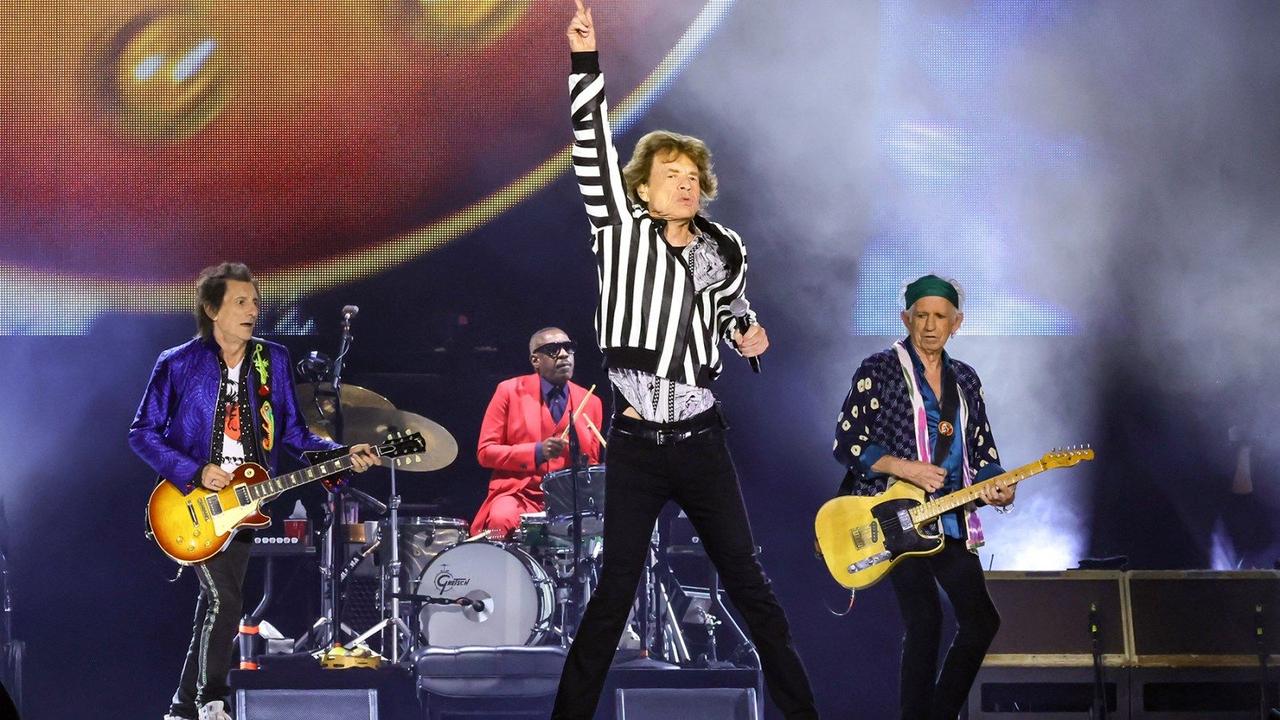
Source: Rolling Stone
The Rolling Stones' Own Experiments with AI Technology
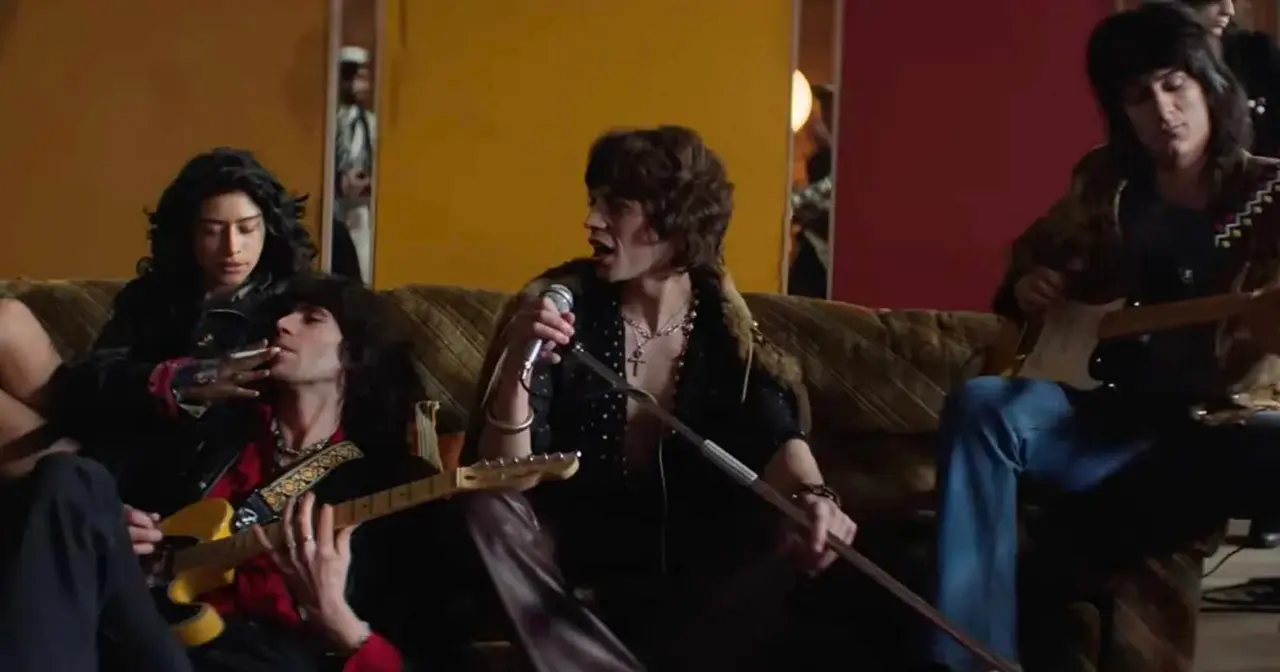
Despite their reservations, The Rolling Stones haven't entirely avoided AI-adjacent technology. In May, they released the music video for "In the Stars," a track from their 25th studio album Foreign Tongues, which dropped on July 10
1
. The video employed deepfake technology to graft the band members' younger faces from roughly 1968 onto performing actors1
. "The musicians are real musicians that look a bit like the Rolling Stones in 1968," Jagger explained. "The only thing was the faces"2
. Richards quipped, "I said, 'Very nice. I wish I looked like that now'"2
.The band frames this use of deepfake technology as fundamentally different from unauthorized AI replication because they maintained complete creative control. This distinction between AI as a collaborator under artist direction versus AI to replicate existing artists' styles without permission forms the core of Jagger's position. He has described AI as something that can "unstick" creative blocks, functioning as a confidence prop when artists feel stuck
1
. His own experiments haven't always succeeded—when testing AI to help name an earlier record, he told The Times of London "it came back with such rubbish, it didn't help me at all"1
.Related Stories

What This Means for the Music Industry
Jagger's stance arrives as the music industry rapidly embraces AI tools. Sony's AI drummer can pass for a session player, Spotify has deployed conversational AI to shape what listeners hear, and wholly synthetic acts are already appearing on charts
1
. For artists watching these developments, Jagger's position offers a framework: embrace AI when it amplifies human creativity, reject it when it becomes theft. The short-term implication is that established artists will likely push for stronger protections against unauthorized AI replication of their voices and styles. Long-term, the industry faces fundamental questions about authenticity and value in an era where machines can generate convincing approximations of any sound.Foreign Tongues, released two years after the Grammy-winning Hackney Diamonds, demonstrates that The Rolling Stones remain a commercial force rather than a heritage act
1
. The album drew warm reviews without any digital assistance, proving that human artistry still resonates. In the Billboard interview, Jagger also praised Olivia Rodrigo's rock music, noting "She's really good at it," and acknowledging her ability to transition between styles2
. While the band hasn't announced live performances around Foreign Tongues, Richards indicated he wasn't ruling out shows in 20272
. What artists and fans should watch for is how courts resolve ownership questions around AI-generated music and whether the industry establishes clear consent frameworks that protect both innovation and artistic integrity.References
Summarized by

Navi
Related Stories
Music Icons Paul McCartney and Elton John Criticize Proposed AI Copyright Changes in UK
25 Jan 2025•Policy and Regulation

The Rolling Stones use deepfake technology to appear decades younger in new music video
15 May 2026•Entertainment and Society
AI Music Generation Tools Spark Debate and Disruption in the Music Industry
01 Sept 2025•Technology

Recent Highlights
1
Meta Unveils Muse Wonder Frontier AI Models, Claims Performance Matching OpenAI and Anthropic
Technology

2
IMF Report Warns AI Market Correction Could Spark Global Financial Crisis With $1.4T at Risk
Business and Economy

3
OpenAI Releases 722 AI-Generated Math Solutions, Triggering Existential Crisis in Mathematics
Technology

Recent Highlights
Today's Top Stories








Don’t drown in AI news. We cut through the noise - filtering, ranking and summarizing the most important AI news, breakthroughs and research daily. Follow topics that matter to you and stay ahead.


